Shaolin Yongtai Retreat Center
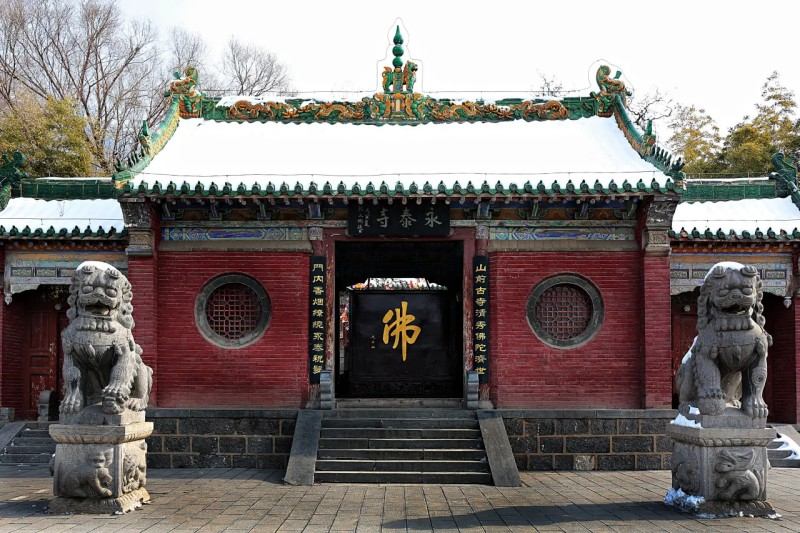
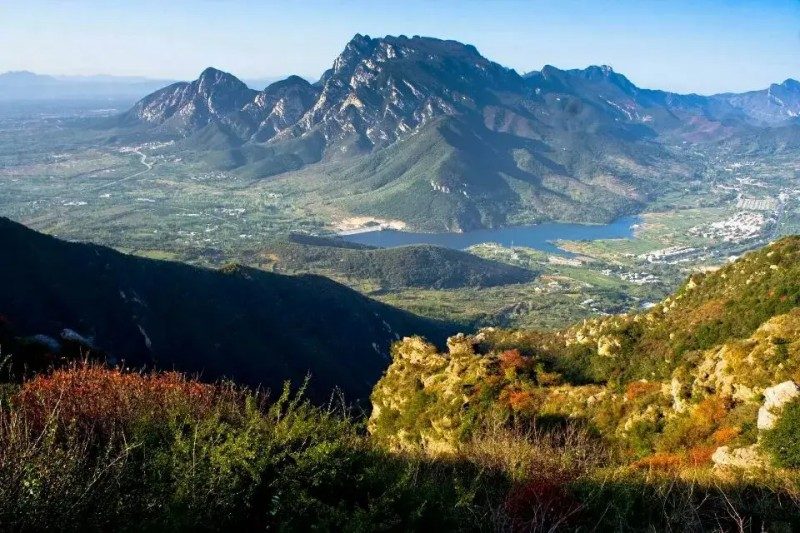
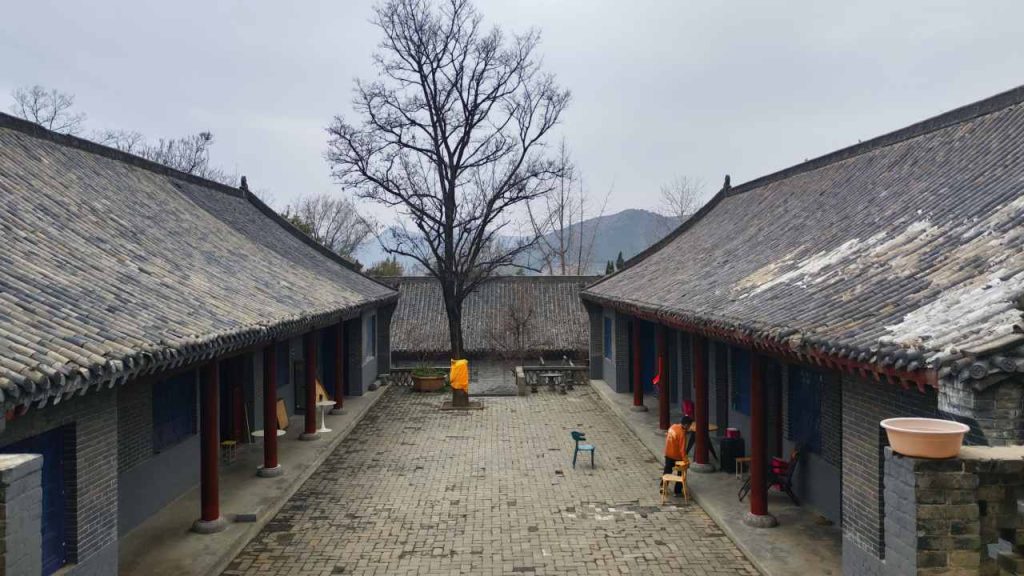
Shaolin Yongtai Retreat Center,3 km east of Shaolin Temple,Nestled at the foot of the majestic Taishi Mountain in Dengfeng, two spiritual sanctuaries stand in perfect harmony—the millennium-old Yongtai Temple and the serene Yongtai Retreat Center.
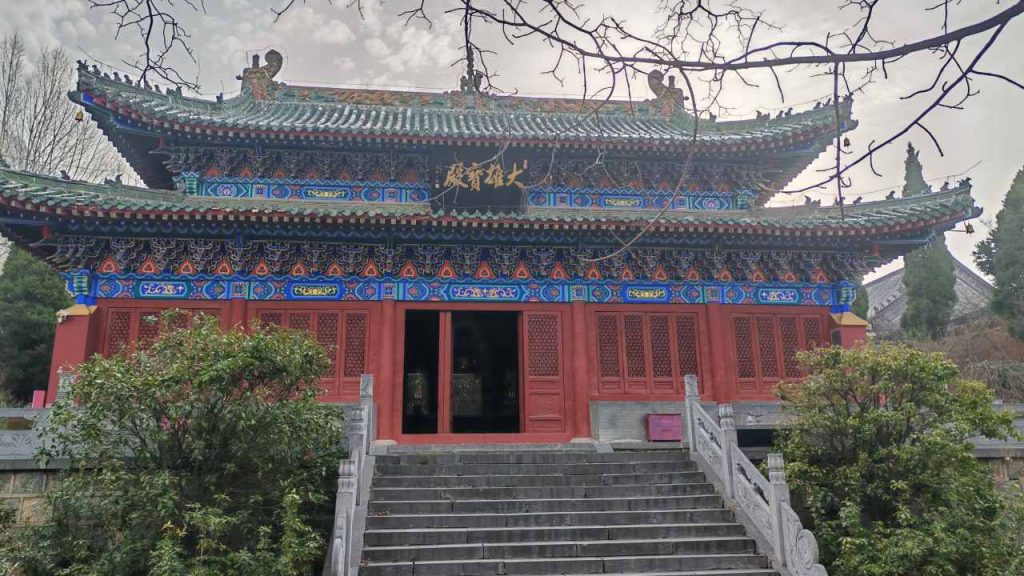
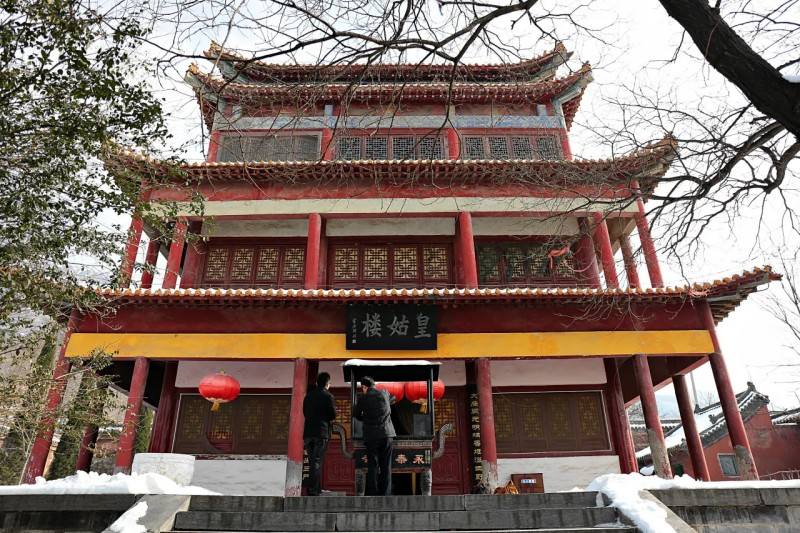
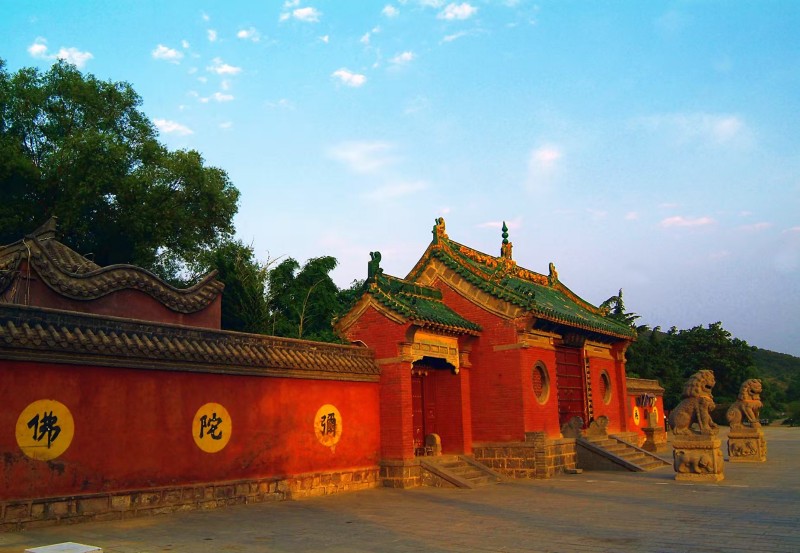
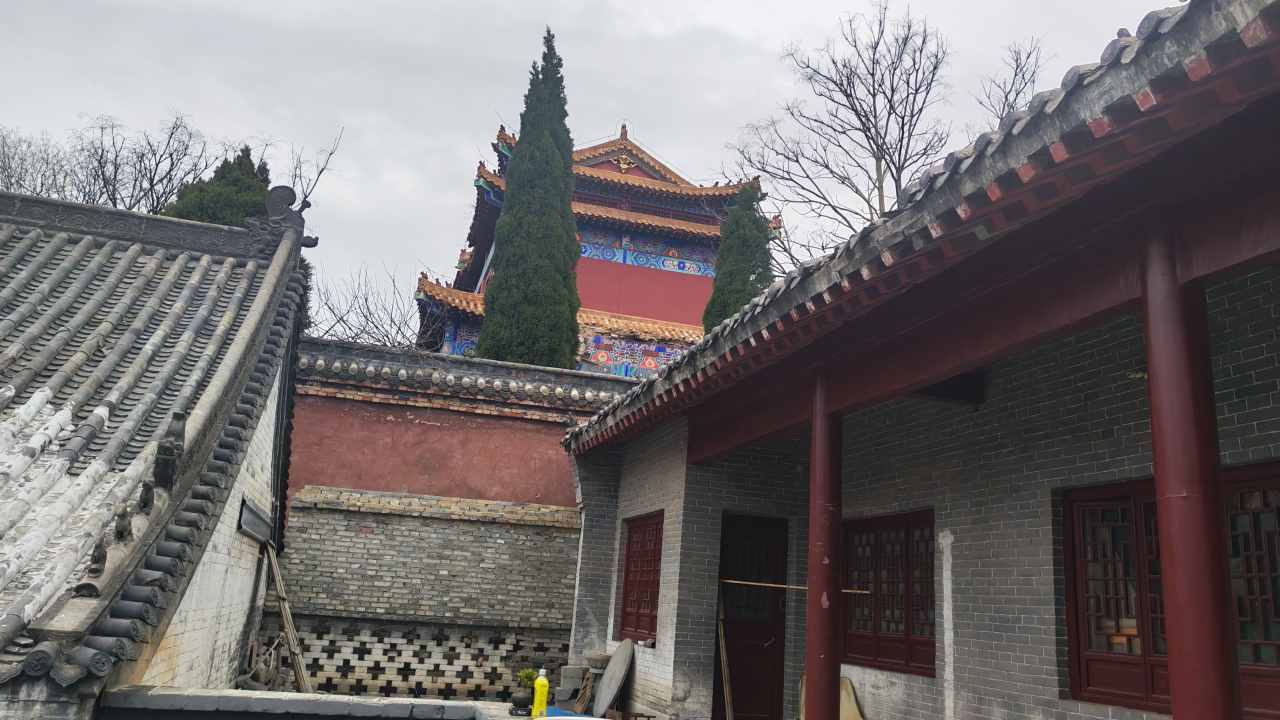
Yongtai Temple holds the distinction of being the first nunnery built after Zen Buddhism spread to the Central Plains, boasting a history of over 1,500 years. Originating as the meditation retreat of Princess Zhuanyun of the Northern Wei Dynasty, it was later expanded into an imperial nunnery for Princess Yongtai. The temple preserves a magnificent five-courtyard traditional architectural complex, over 40 stone inscriptions and carvings dating back to the Tang Dynasty, and a precious sal tree brought from India in the Eastern Han Dynasty—a living testament to cultural exchanges between China and India.
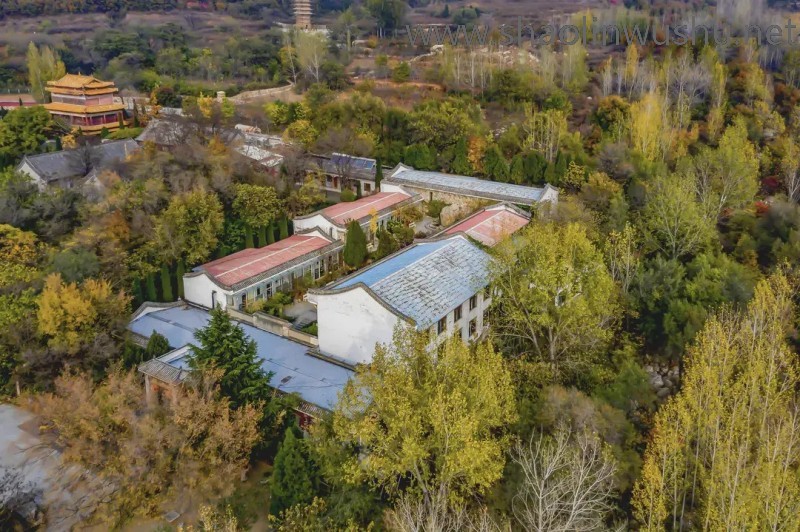
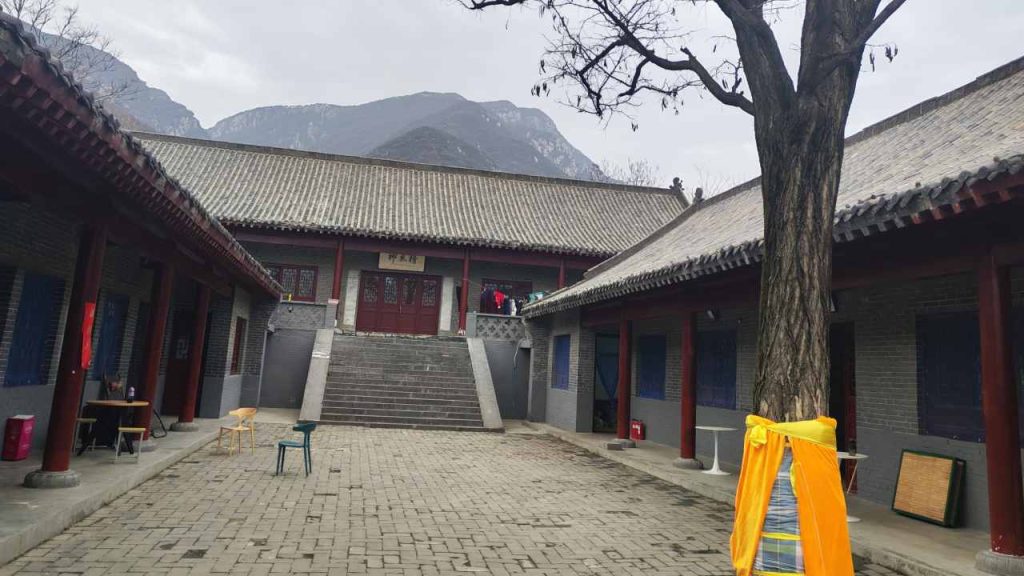
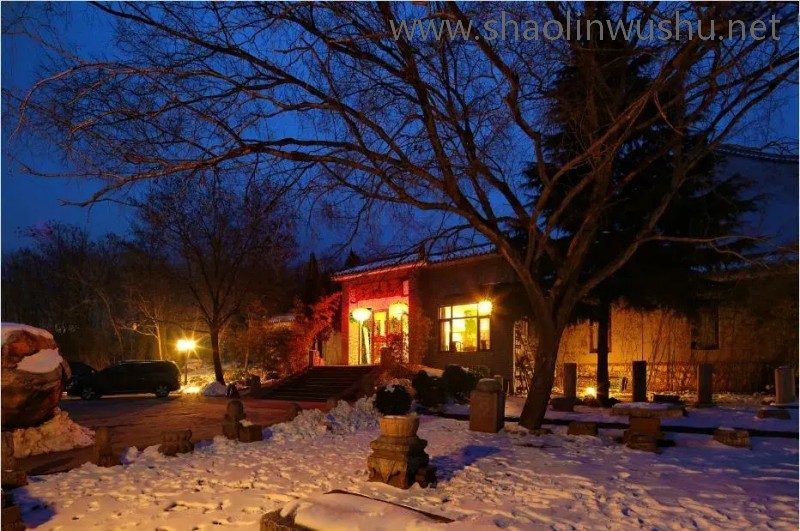
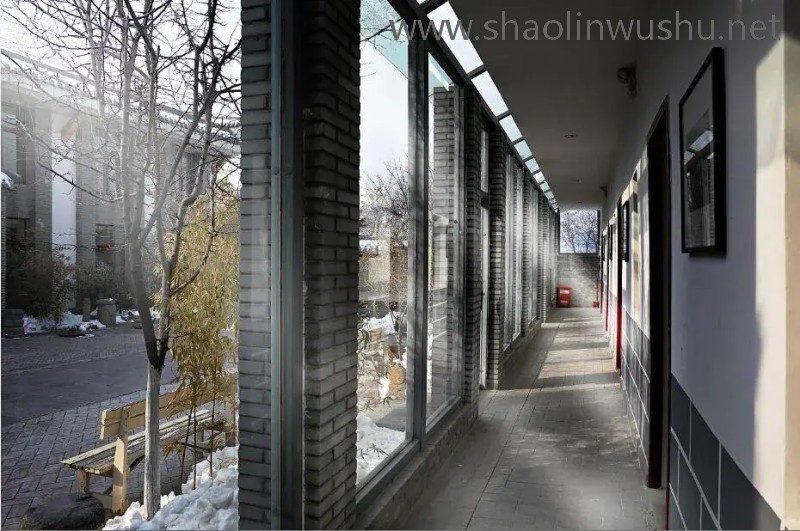
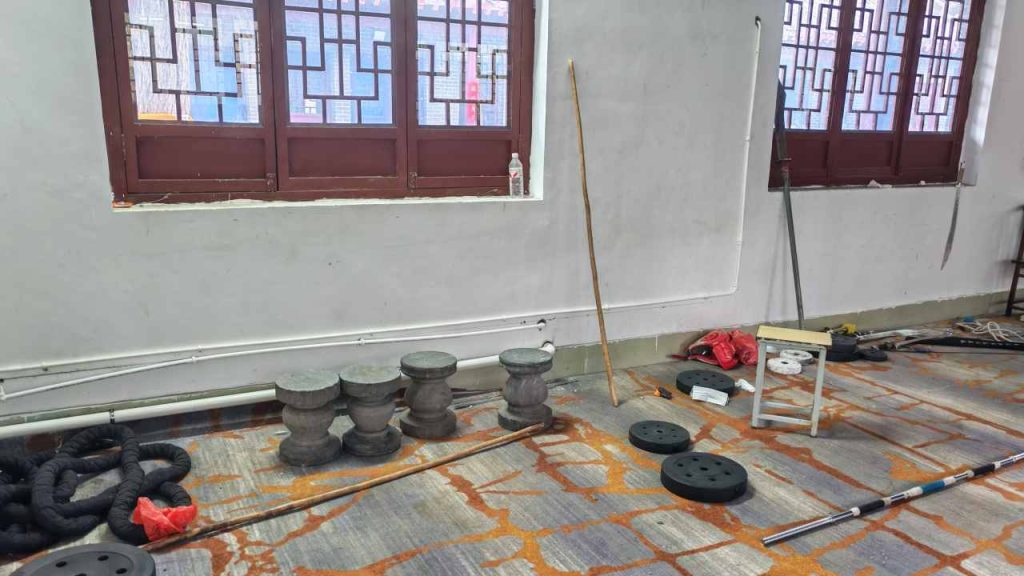
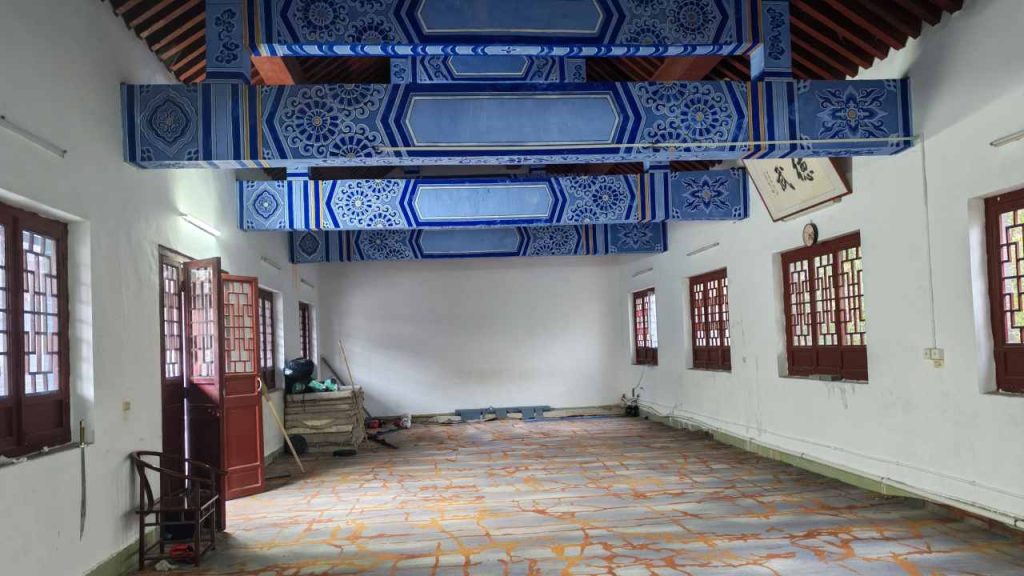
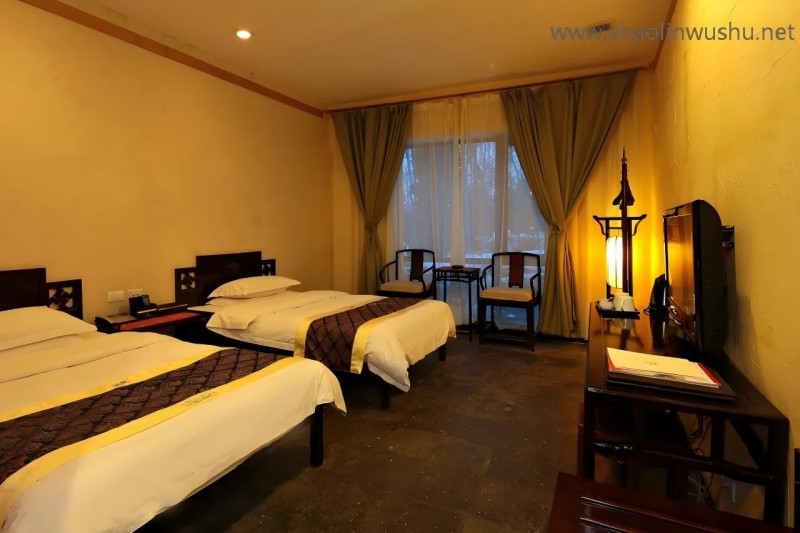
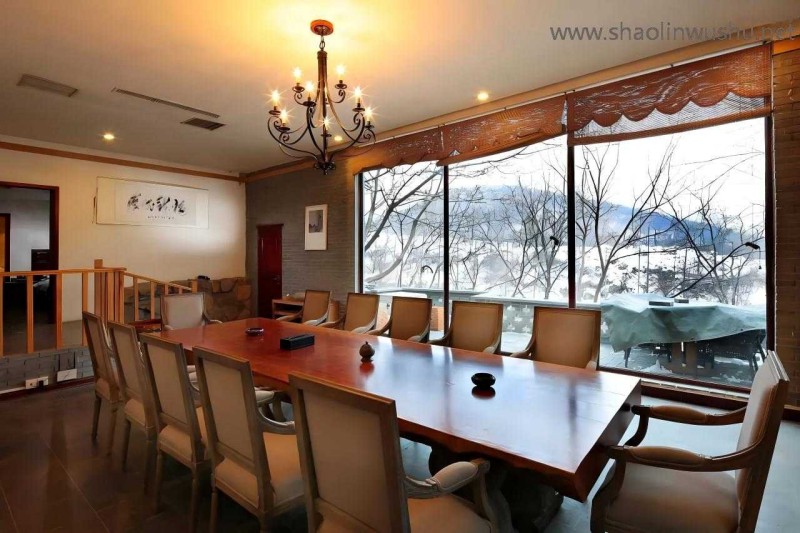
Adjacent to the ancient temple lies Yongtai Retreat Center, built against the mountain and embodying the essence of “purity” and “tranquility”. Rooted in the Buddhist philosophy of “cultivating a pure mind”, it offers comprehensive facilities including meeting rooms, vegetarian restaurants, and tea houses. Blessed with a quiet and picturesque environment, it serves as an ideal destination for health preservation, martial arts practice, and spiritual retreat. Here, one can immerse themselves in the rhythm of morning bells and evening drums, practice martial arts amidst green mountains and clear waters, and achieve both physical and mental purification.
why choose us
Dual Sacred Sites Experience: The profound Zen heritage of the millennium-old imperial Yongtai temple combined with the comfortable facilities of the modern serene retreat creates an immersive spiritual practice experience.
Cultural Exploration: Get up close to precious historical relics such as the sal tree, and deeply experience the culture of Zen Buddhism and the history of cultural exchanges between China and India.
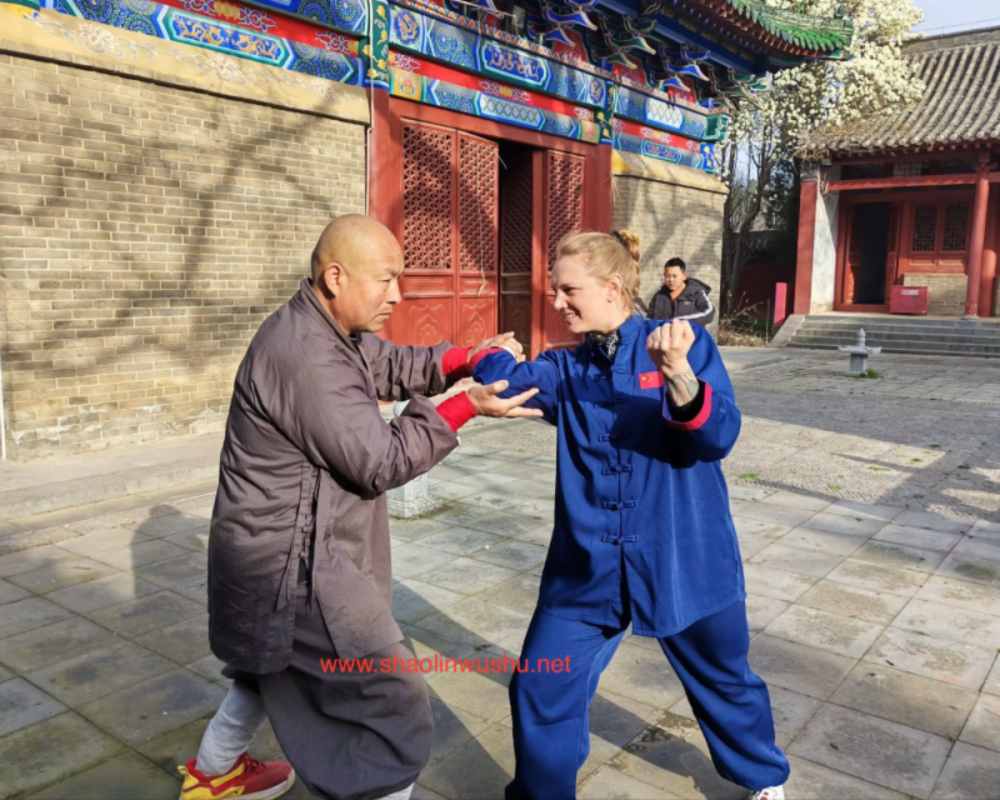
Shaolin Kungfu Advantages: Nestled in the naturally tranquil western foothills of Taishi Mountain, far from the hustle and bustle of the city, it serves as an ideal venue for Shaolin Kungfu training, mental cultivation, and Qi nourishment.Authentic Teachers, Inheriting a Thousand-Year Legacy
All instructors are authentic Chan masters from the millennium-old Shaolin Temple.
The skills and wisdom taught are genuine, orthodox, and passed down in an orderly manner.
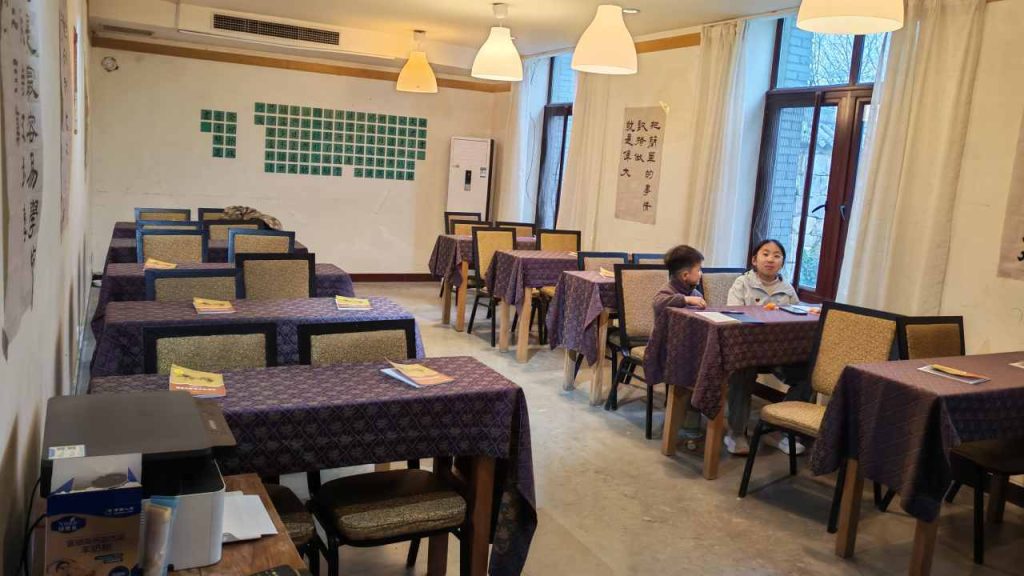
Comprehensive Facilities: Equipped with complete facilities including meeting rooms, vegetarian restaurants, and tea houses, it meets the multiple needs of practice, study, and daily life.
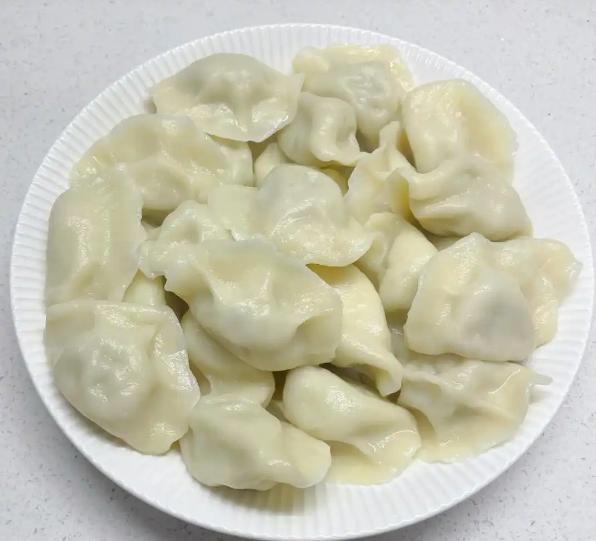
Meals:Delicate and fresh meals, cooked in small pots and small batches.
We refuse mass-produced “big-pot dishes” and pre-packaged food commonly seen in large modern schools.
Healthy, nutritious, and delicious, supporting your training and cultivation.
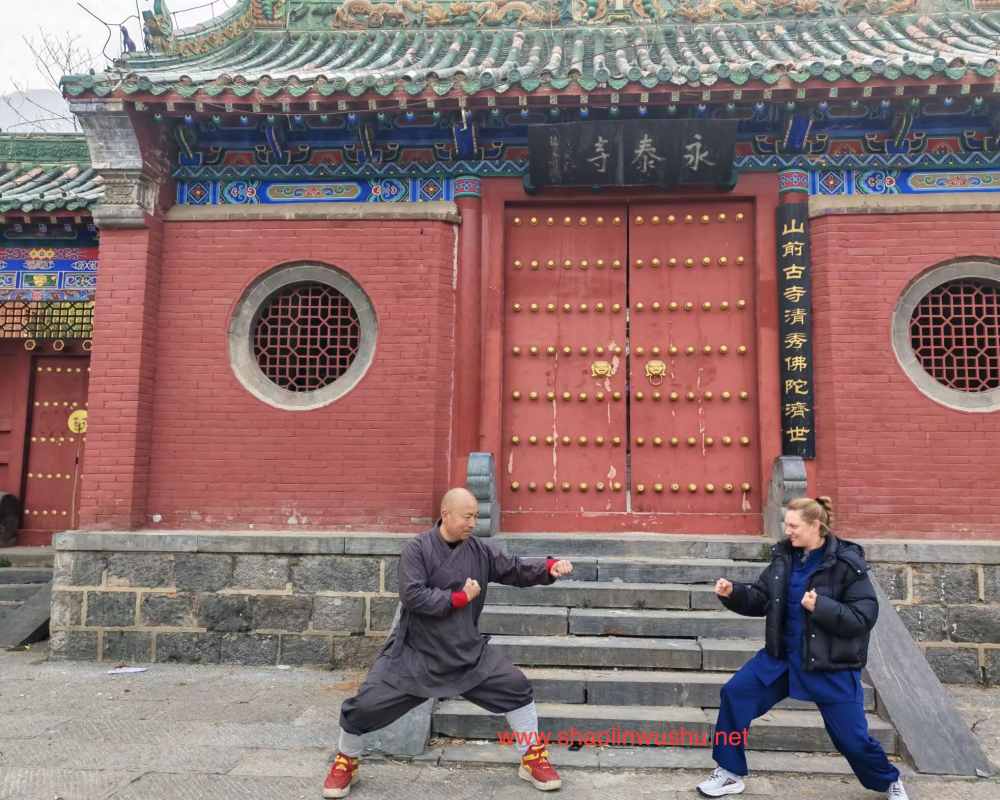

Shaolin Master Shi Yanxu
He was ordained under the Great Master Shi Yongxin and is a genuine Monastic disciple of Shaolin Temple linage whose apprenticeship acceptance was registered in Shaolin Tempe and supervised by the Henan Provincial Buddhist Association and local religious affairs authorities
A Dharma name consists of the surname Shi (representing reverence for Sakyamuni and serving as an identity marker for monastic disciples) + a generation character (strictly in accordance with the seventy-generation lineage poem formulated by Master Fuyu in Yuan Dynasty( 1271—1368 AD), such as the sequence De, Xing, Yong, Yan, Heng—Master Xingzheng’s “Xing”, Ven. Yongxin’s “Yong”, and Ven. Yongxin’s disciples’ “Yan” all align with this lineage) + a unique given name bestowed by the master (to distinguish disciples of the same generation). This Dharma name is an important identity symbol for monks and is used in monastic Buddhist rituals, Dharma transmission, and other occasions. Click to see more about Shaolin linage
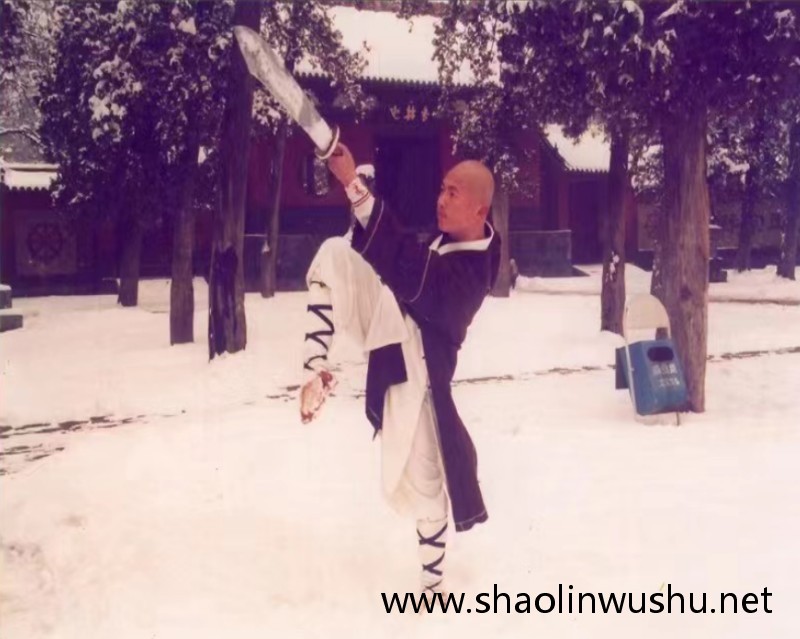
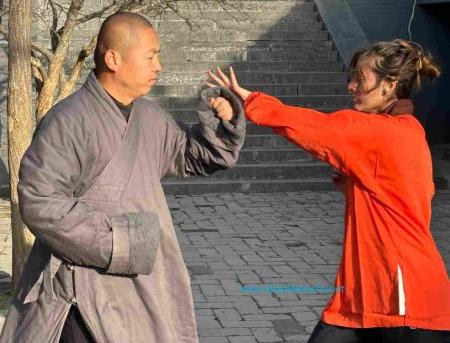
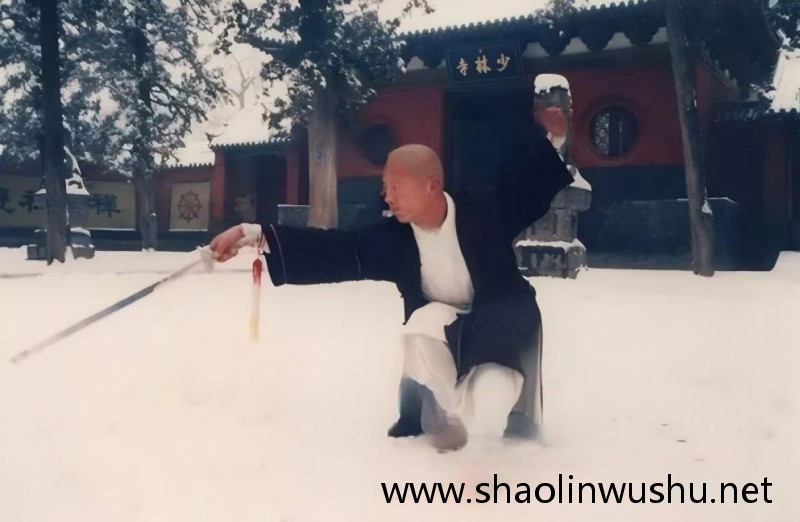
Master Xu has been practicing Shaolin martial arts since childhood. Currently serving as the Chief Martial Arts Instructor of the Shaolin Temple Warrior Monks, he is responsible for training and leading the Shaolin warrior monks, as well as promoting and inheriting Shaolin Kung Fu. Learn more about him

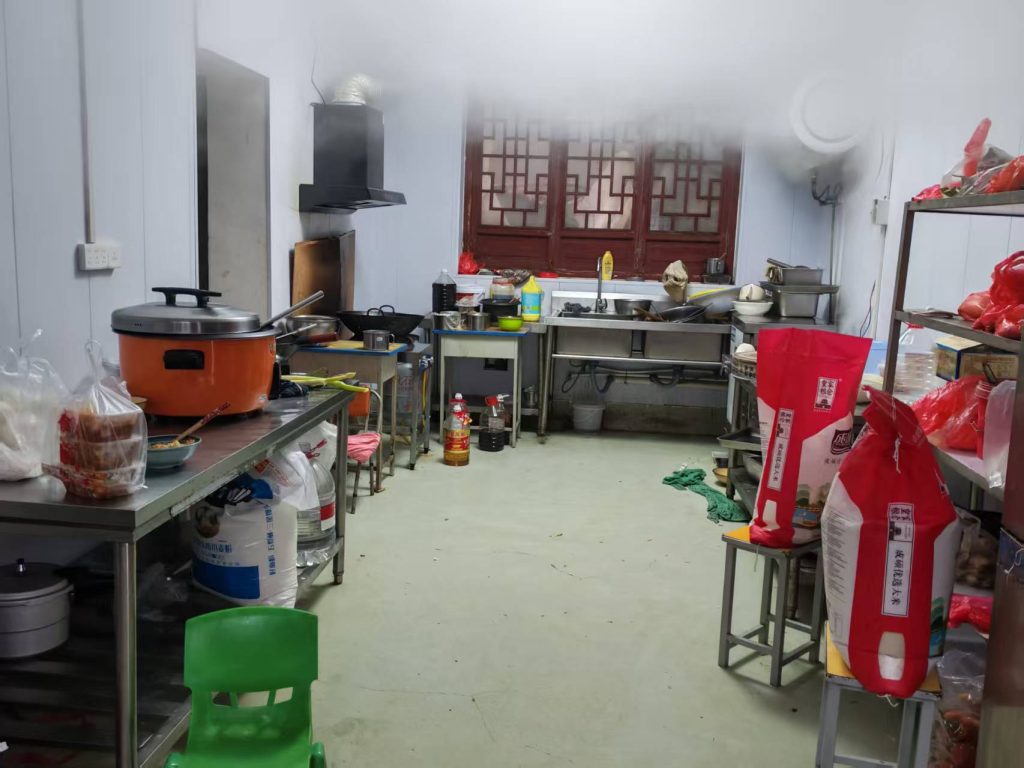
Although our kitchen is simple, it is clean and tidy, and students are welcome to visit it at any time.
Some ingredients are locally sourced from farmers in the surrounding area.
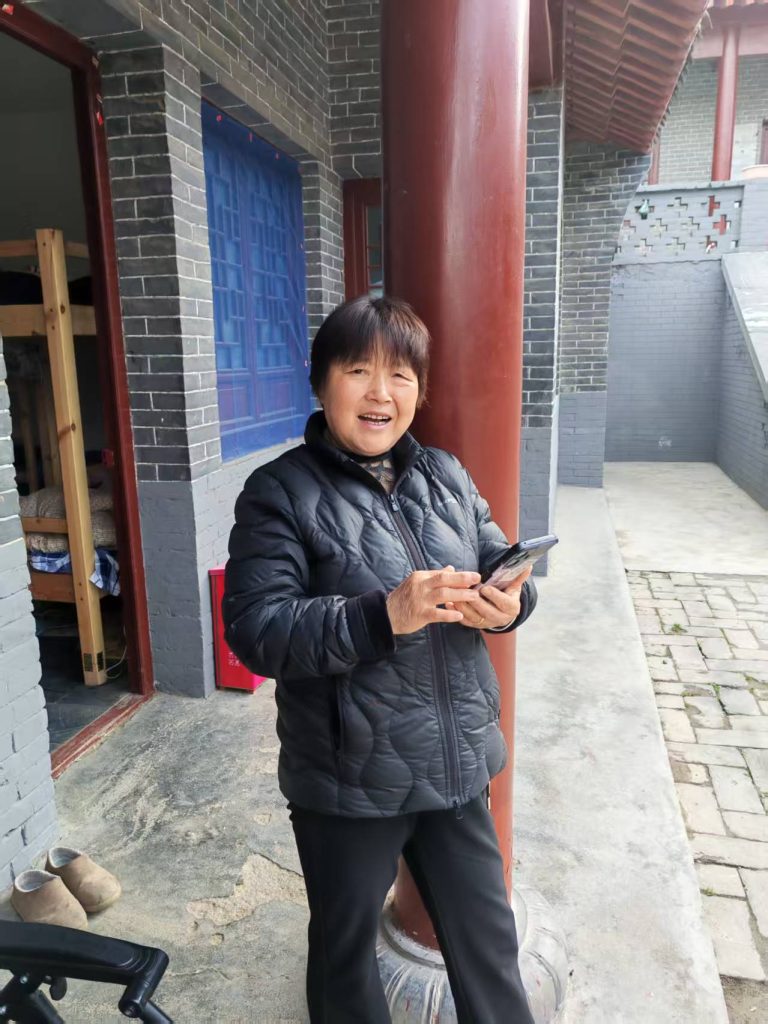
Our cook is a local who is neat, efficient and kind. She prepares home-style dishes with many years of cooking experience and understands the tastes and preferences of international students.
The food is authentically prepared with no additives, delicious and nutritious.