
Email: shaolinschool@163.com
Mobile: (0086) 185 2790 7238
Website: www.shaolinwushu.net
Address: 300 meters east to Shaolin Temple inside Shaolin scenic area, Dengfeng City, Henan Province, China.
Nestled within the culturally rich Songshan Shaolin Temple Scenic Area, the Shaolin traditional Kungfu Training Center—a distinctive venue integrating Chan meditation, martial arts practice, and leisure—attracts visitors from far and wide with its unique charm.
Located 500 meters east of Shaolin Temple, it stands in close proximity to this millennium ancient monastery and the ancestral home of Chan Buddhism. A short walk leads to this sacred site that carries countless legends of Chan and martial arts. What is even more remarkable is that it backs onto Wuru Peak, where the Dharma Cave lies—the very place where Bodhidharma meditated facing the wall for nine years. Endowed with such a privileged geographical location, the center has been immersed in a strong atmosphere of Chan Buddhism and martial arts spirit since its inception.
As the only venue inside the Songshan Shaolin Temple Scenic Area that combines accommodation, dining, and martial arts training, the Shaolin traditional Kungfu Training Center provides a one-stop premium experience for those seeking Chan and martial arts culture. Stepping into the center, one is greeted by the serene scenery of cedar-surrounded grounds and towering ancient cypresses. The lush greenery not only purifies the air but also creates a tranquil atmosphere far from the hustle and bustle of the world. At dawn, when the morning bell of Shaolin Temple rings on time, its distant and solemn chime drifts through the woods, gently awakening the sleeping soul; at dusk, the deep echo of the evening drum brings a perfect end to the day. Here, one can resonate with the morning and evening rhythms of the millennium ancient monastery without deliberate pursuit.
We have 2 centers :International center inside the Shaolin scenic area 300 meters east to Shaolin Temple and Yongtai Temple retreat center outside the Shaolin scenic area 2 km away from Shaolin temple.
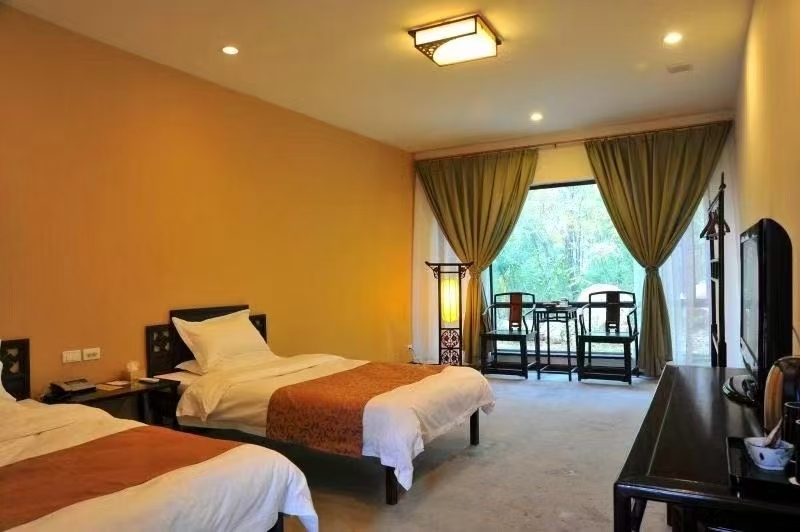
The room features a Neo-Chinese style, where the time-honored white-walled and black-tiled buildings set off the green pines and cypresses in perfect harmony. The interiors are furnished with traditional Chinese-style furniture, creating a serene and tranquil ambiance. This allows travelers to enjoy a peaceful and relaxing accommodation experience while immersing themselves in Shaolin Kung Fu.
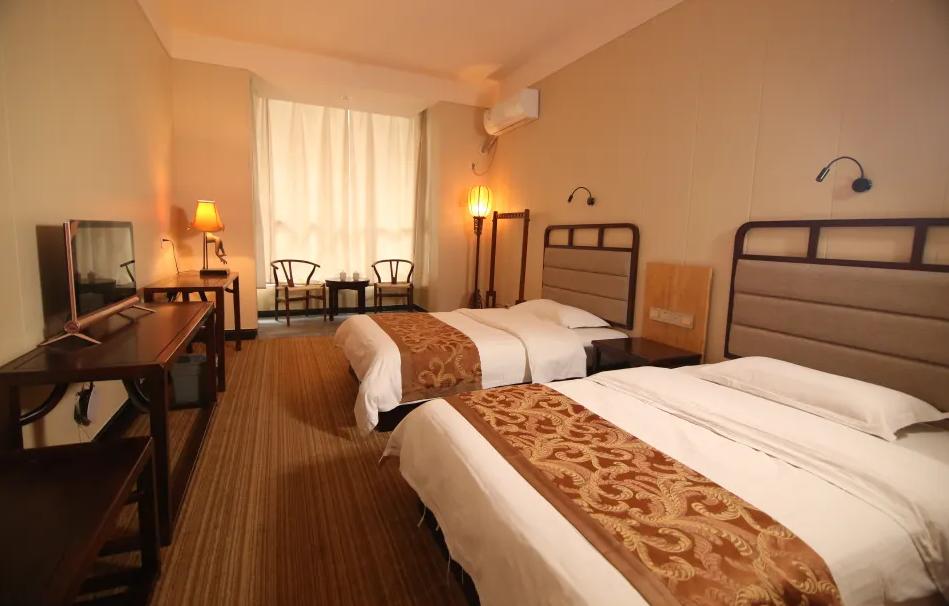
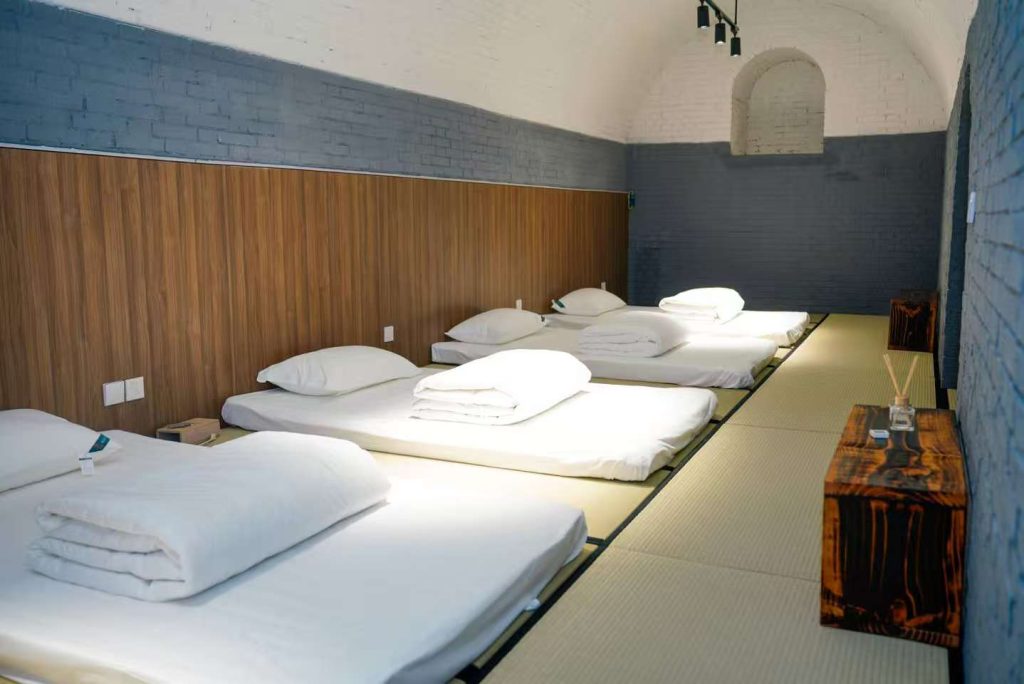
If you want to secure the room in July and August usually you have to make the reservation at least 6 months ahead of time. Besides we also have Zen cave-dwelling room ,500 meters close to Shaolin temple.
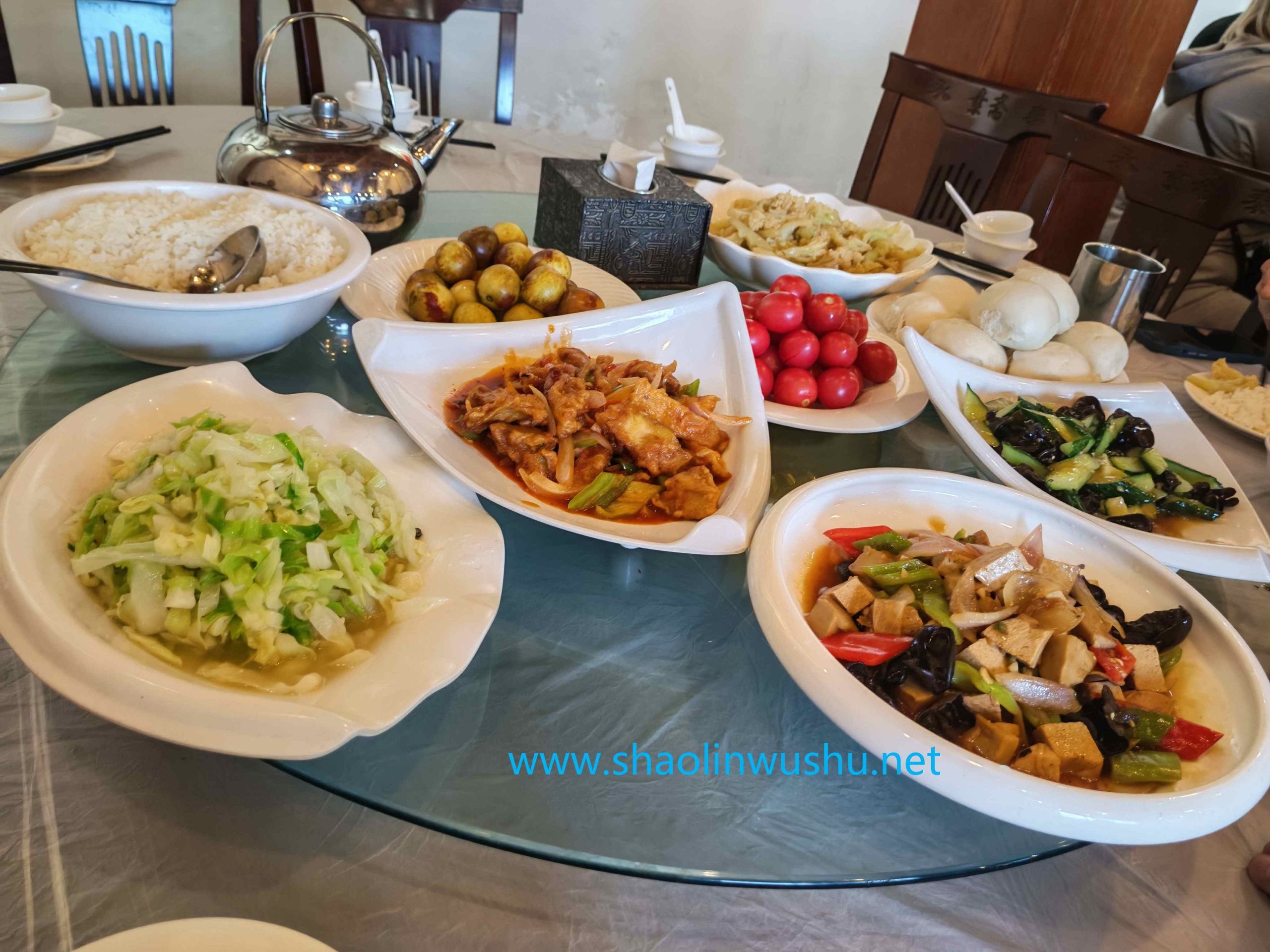
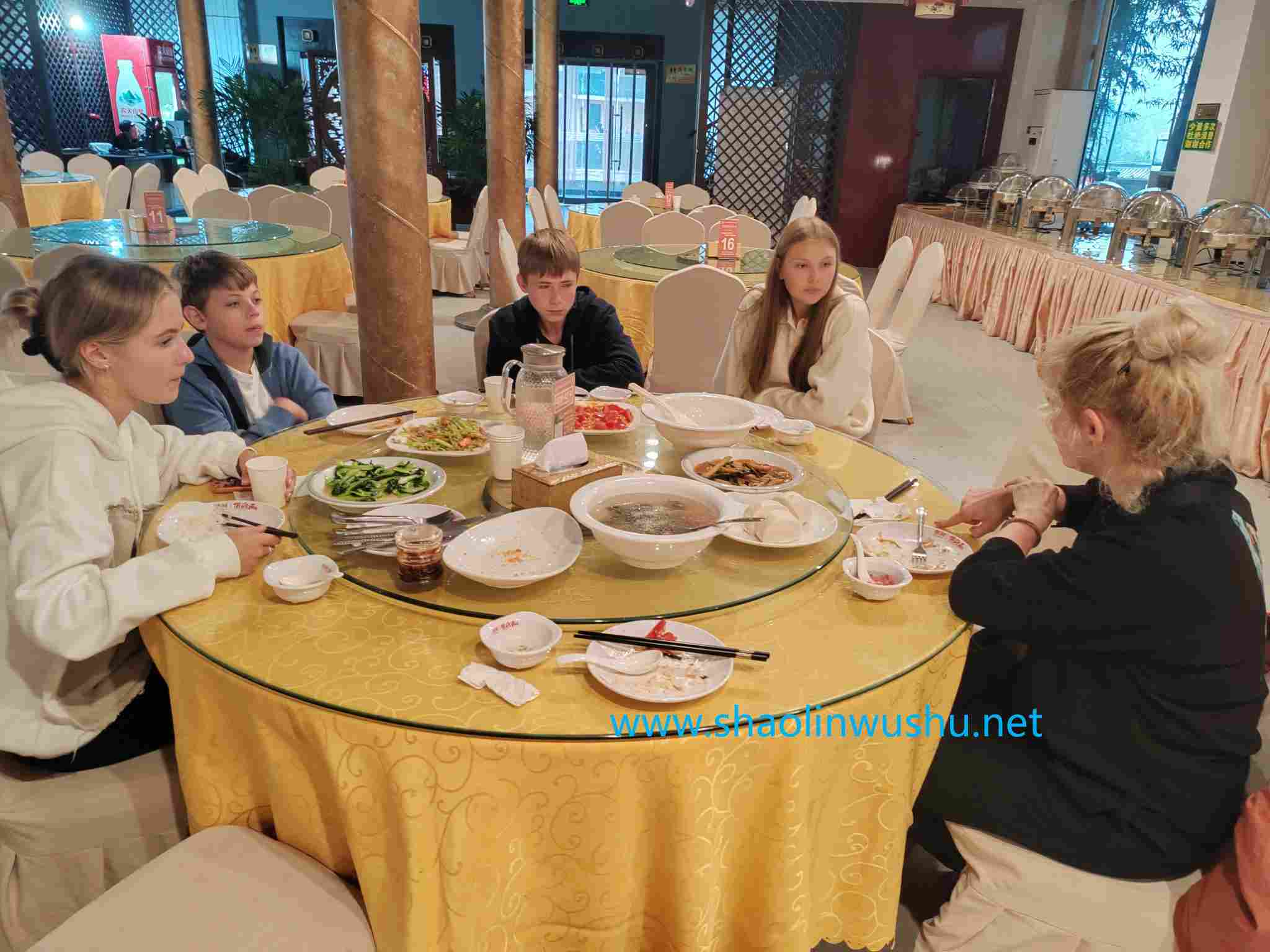
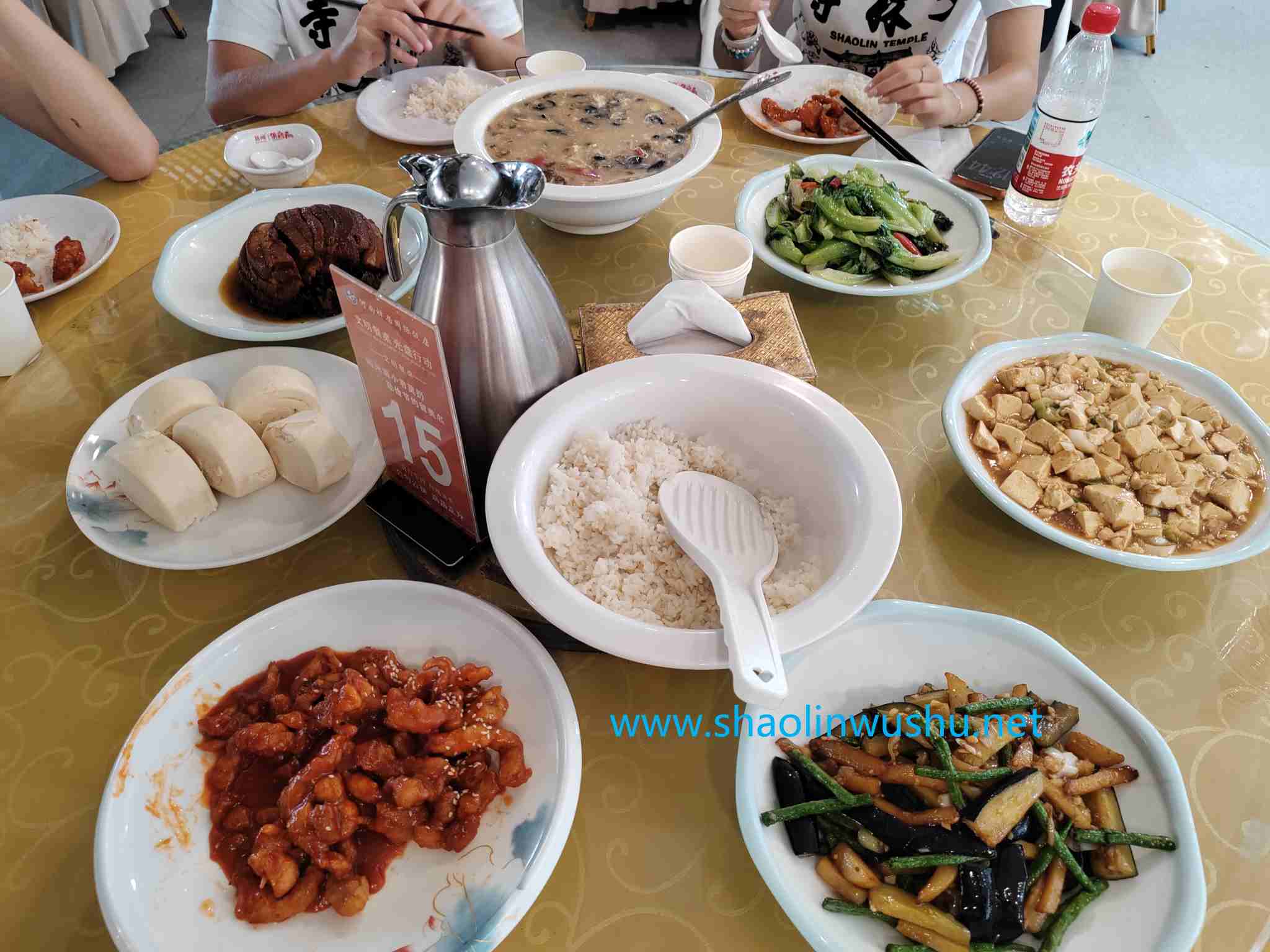
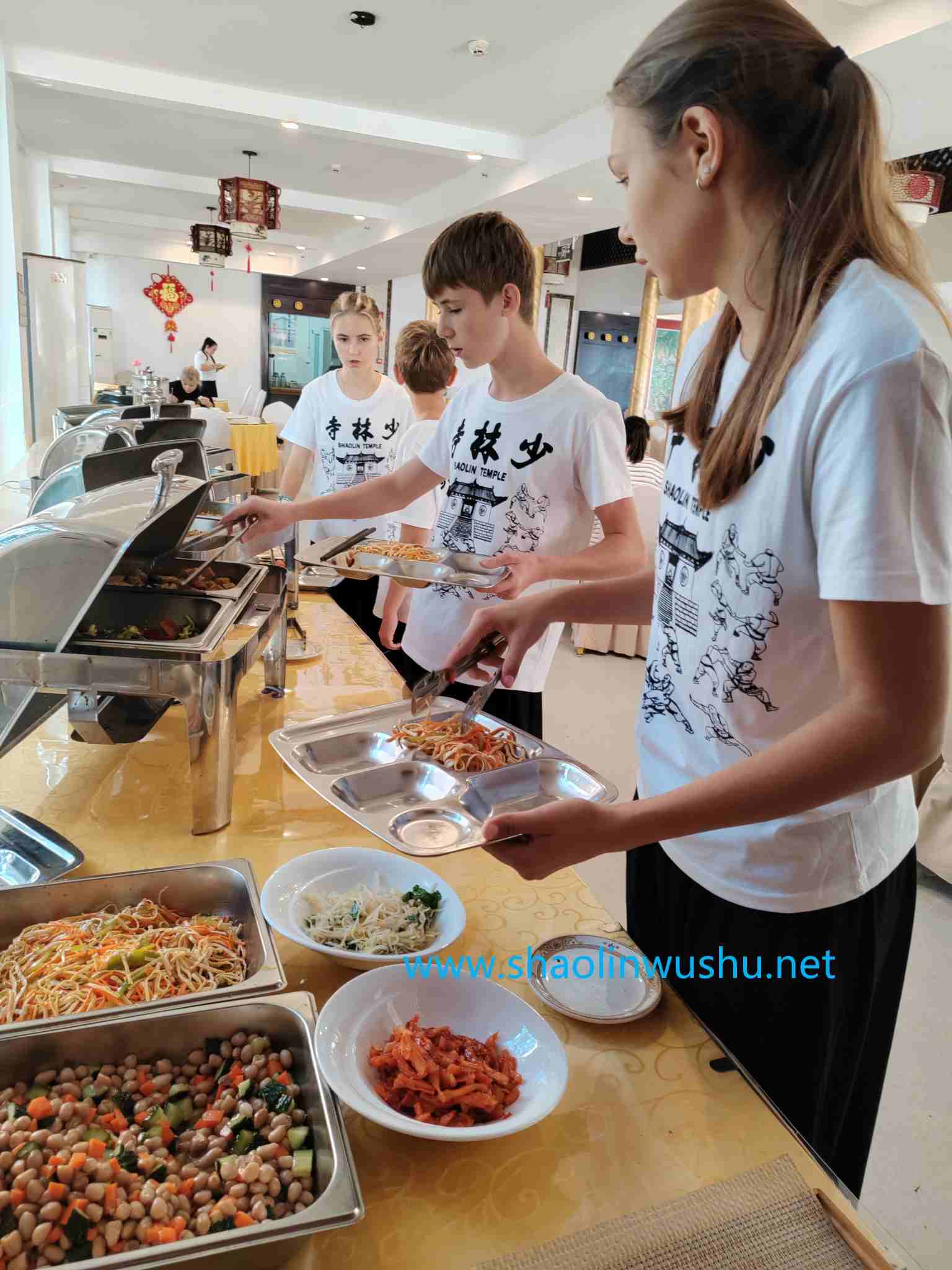
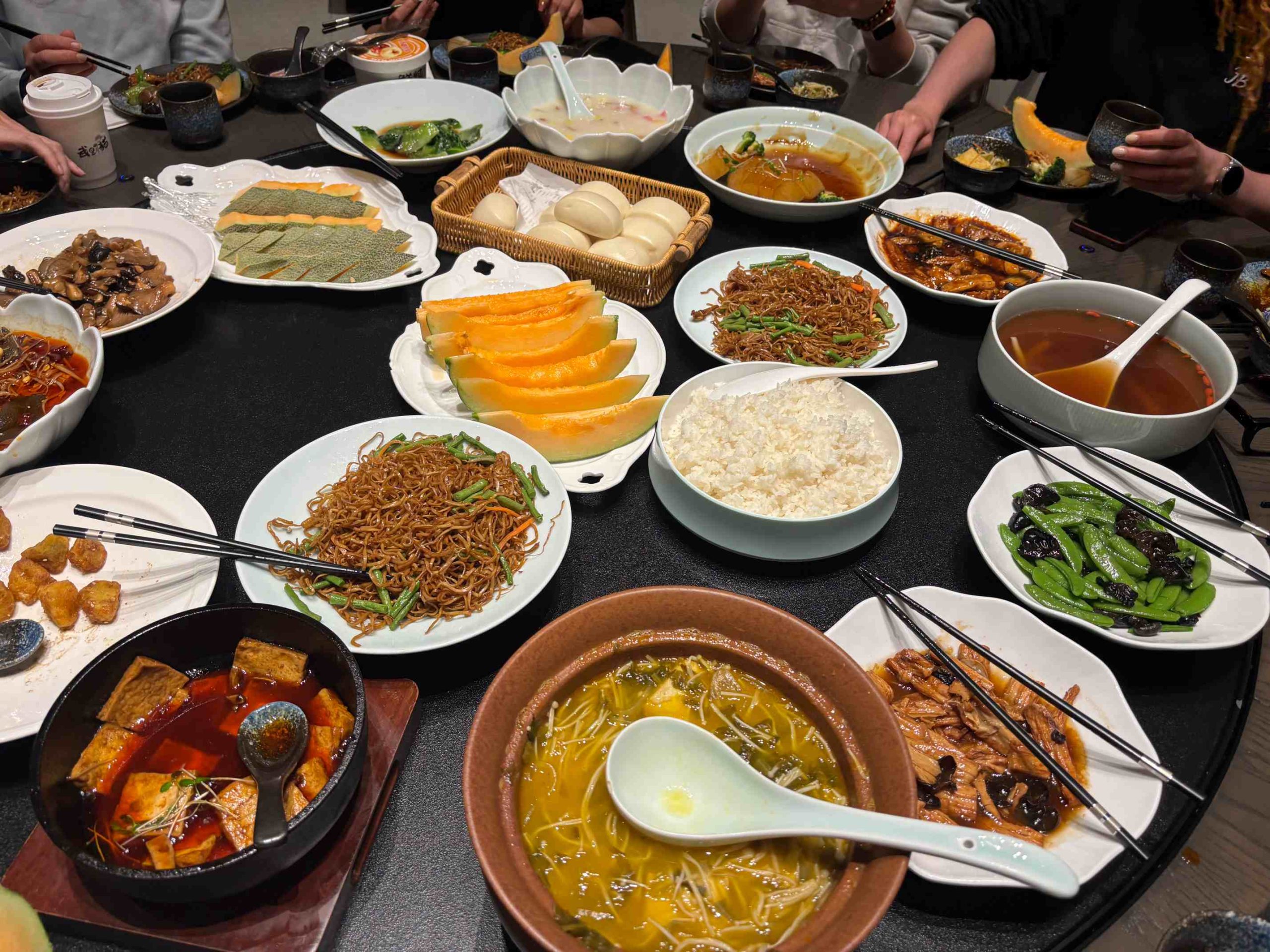
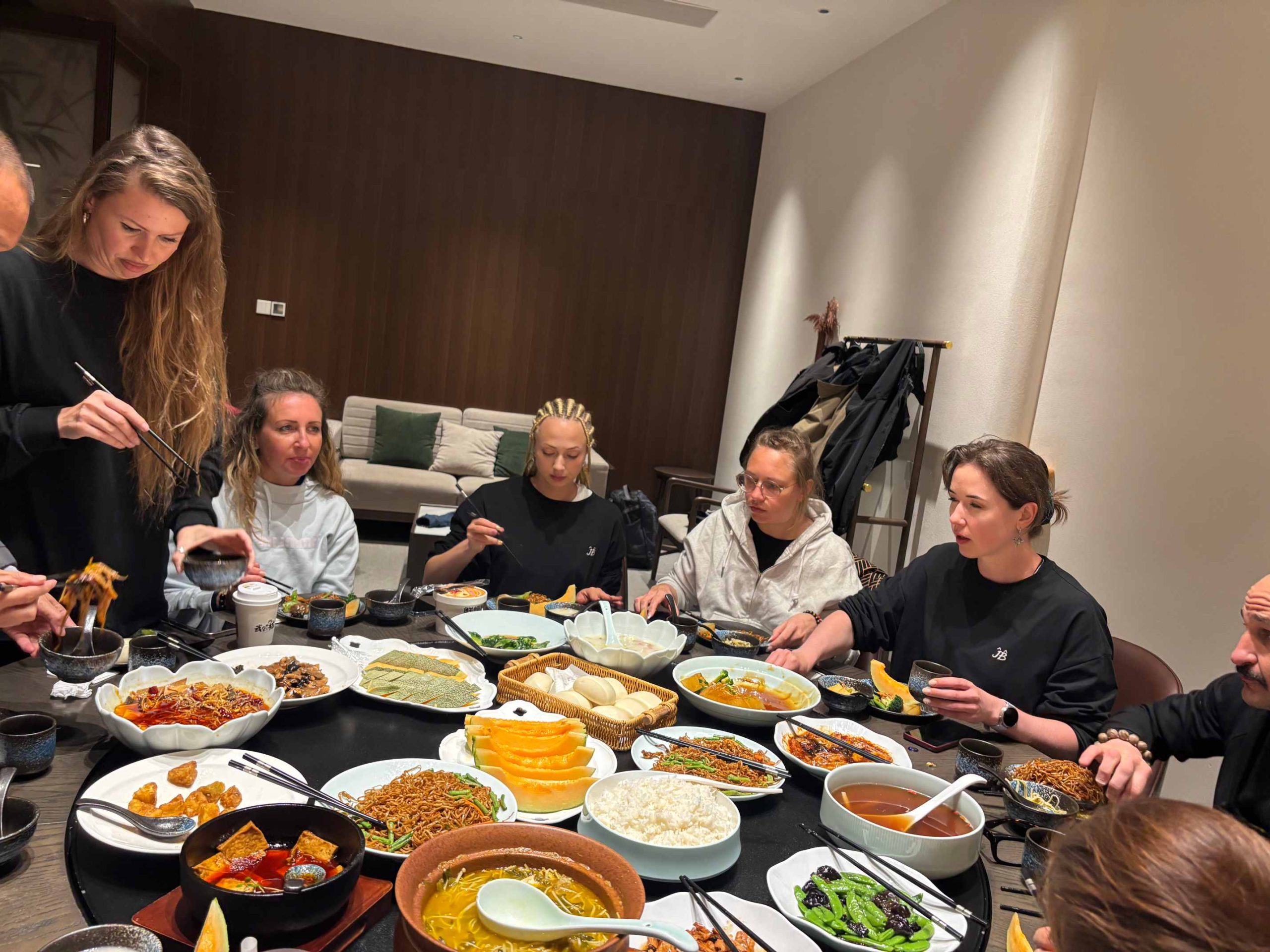
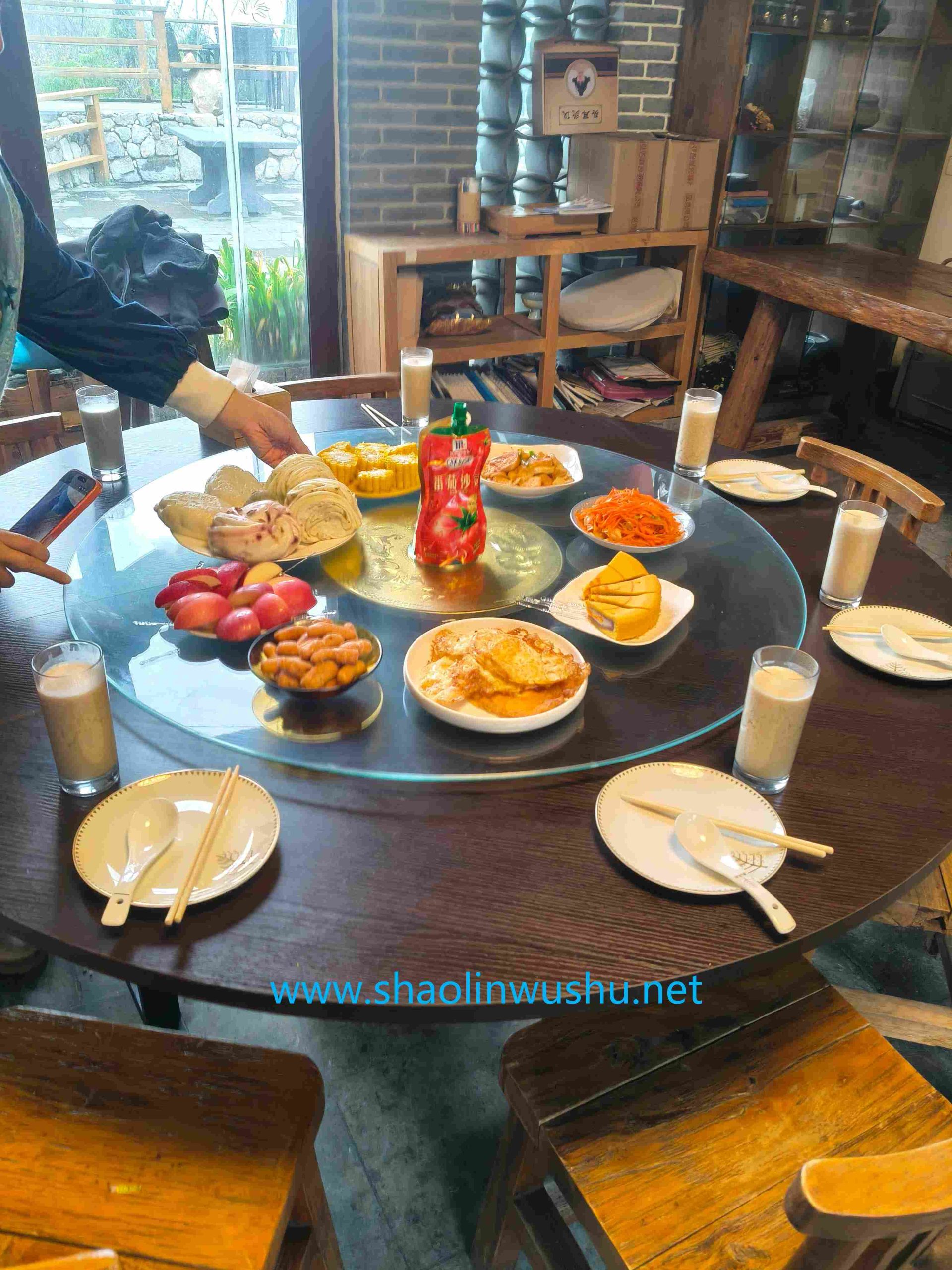
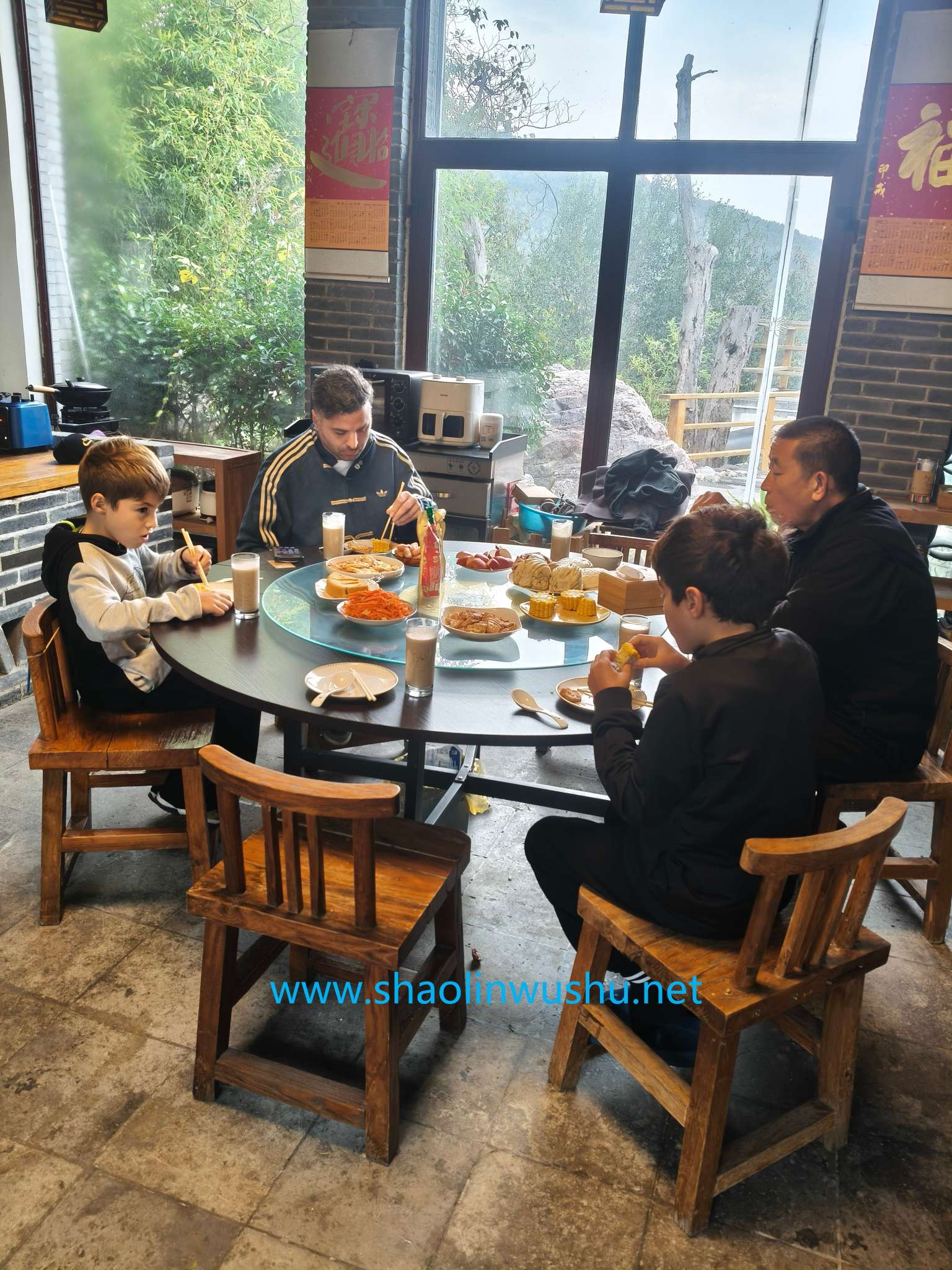
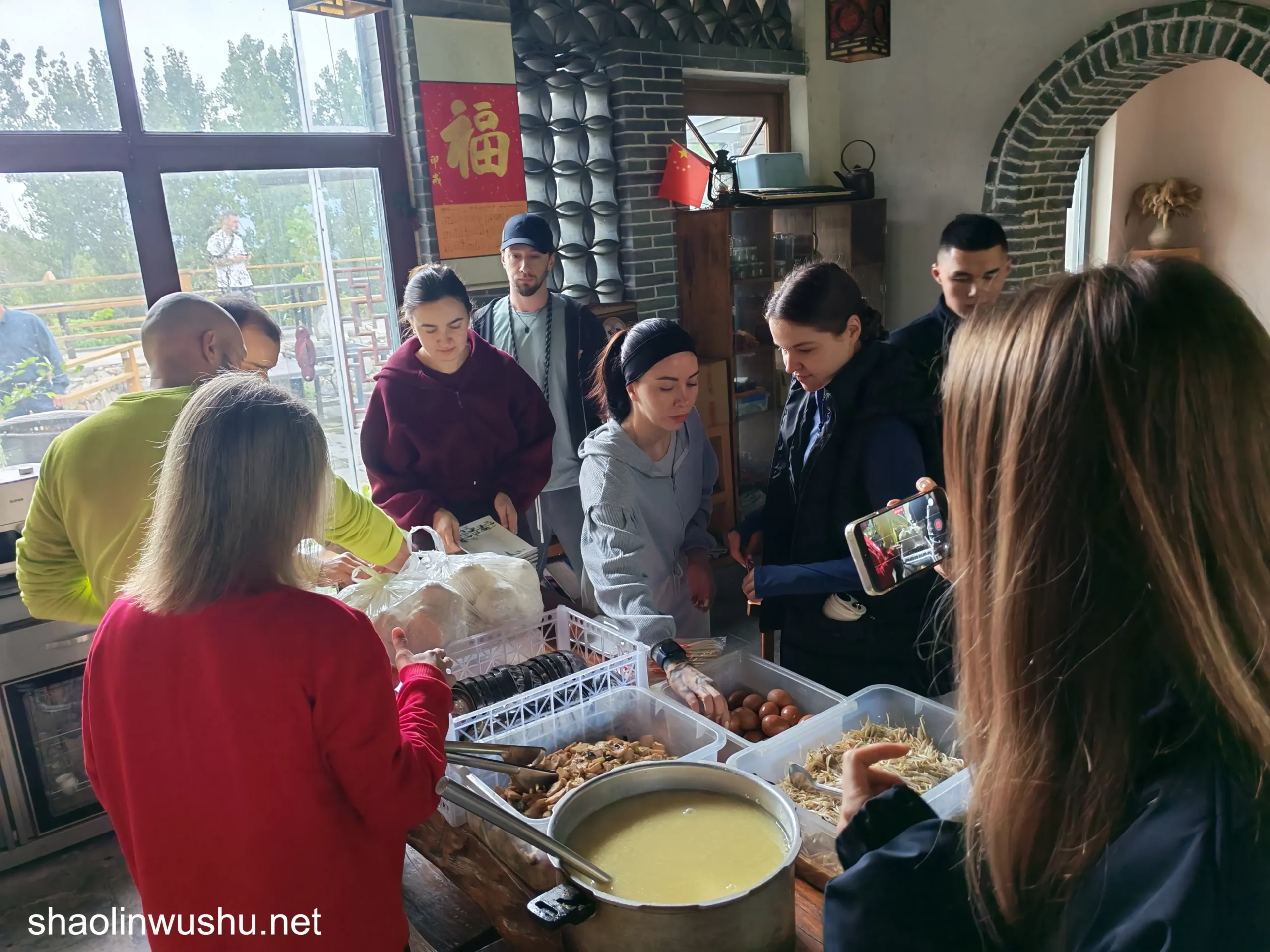
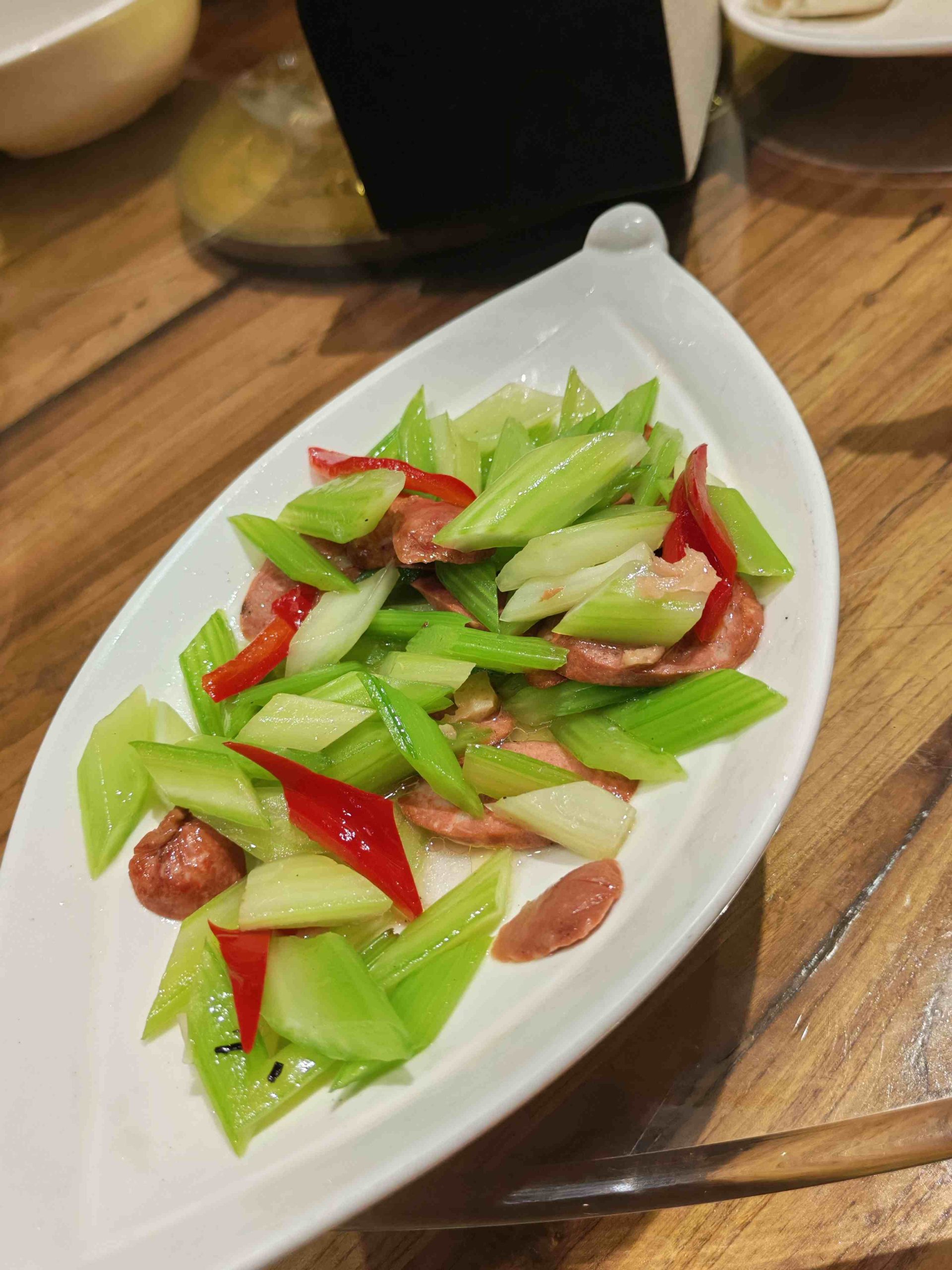
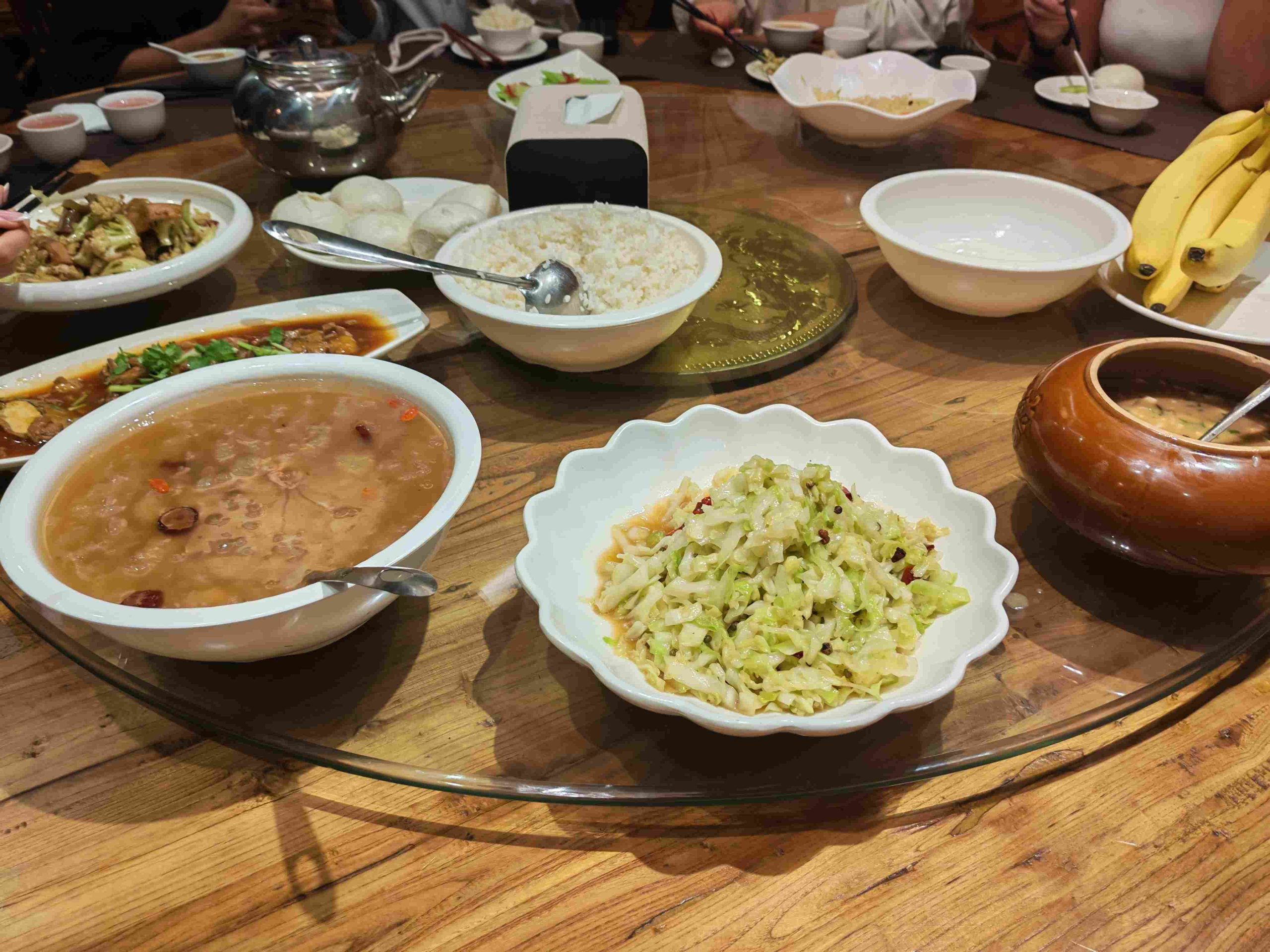
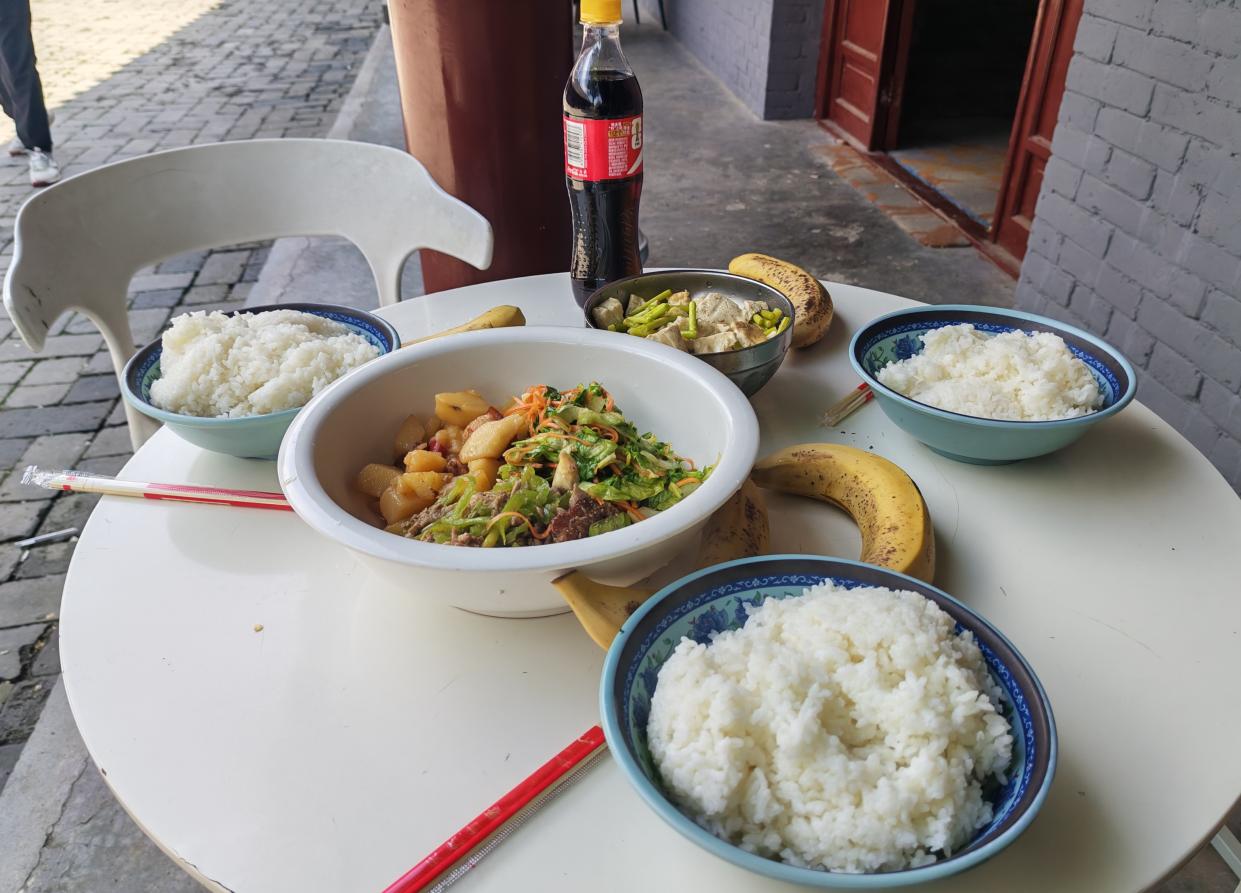
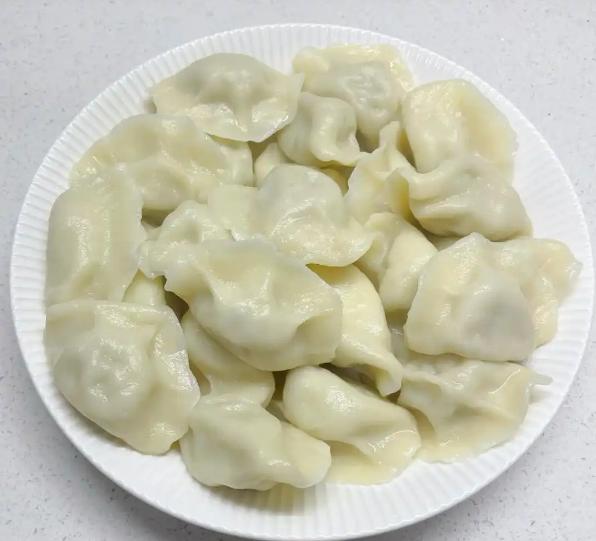
For meals we offer exquisite and delicious traditional Chinese table dishes which makes your studing energenic .What makes us particularly unique is that we also serve exquisite vegetarian meals. These cater to the dietary needs of vegetarian enthusiasts and allow students to immerse themselves in traditional Buddhist vegetarian culture, perceiving the pure, simple Chan spirit with every meal.
Nestled on the western foothills of Mount Taishi in the Songshan range, Yongtai Retreat sits quietly beside the millennia-old Yongtai Temple, with the stately brick pagoda of the Tang Dynasty rising behind it. Encircled by mountains and shaded by lush greenery, the place carries the sound of mountain breezes mingling with Buddhist chants, while the ancient pagoda bears witness to the passage of time. Free from the bustle and noise of the secular world, it abounds in serene and timeless Chan charm. Blessed with unique natural advantages, it integrates Chan and Shaolin Kungfu. It is a sanctuary for quiet contemplation and spiritual cultivation, as well as an idyllic haven to temper the body and train diligently in Shaolin Kungfu.
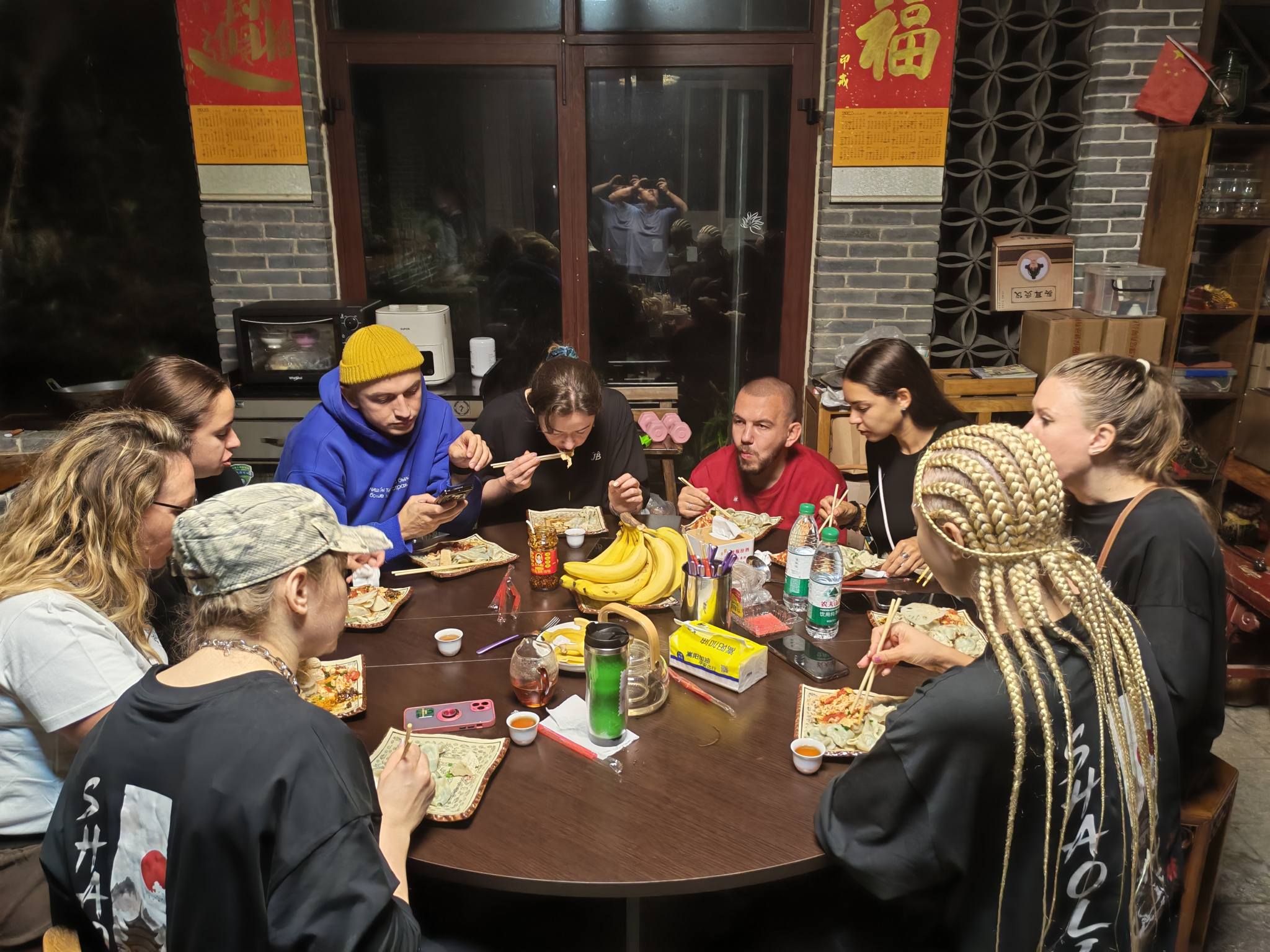
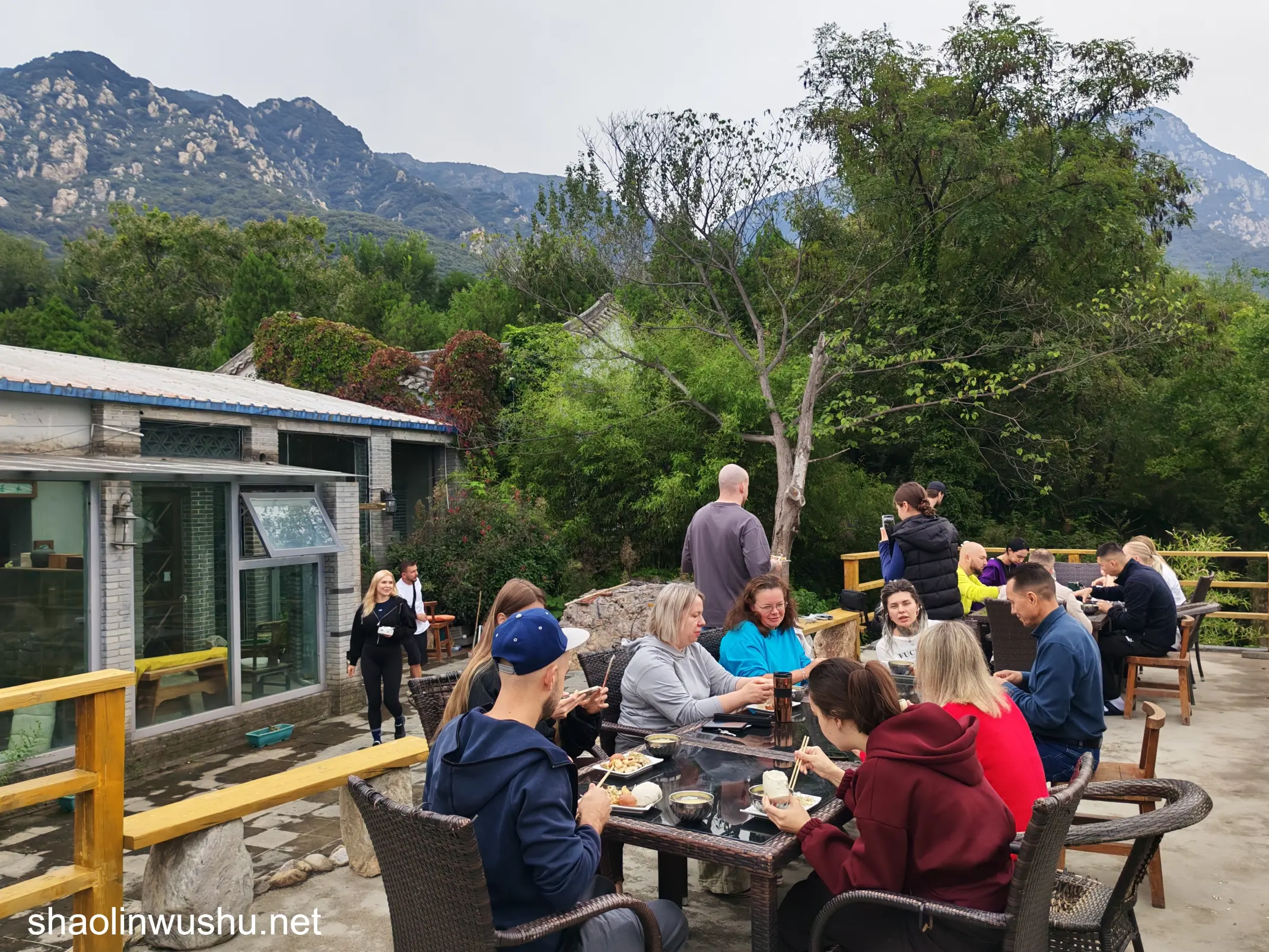
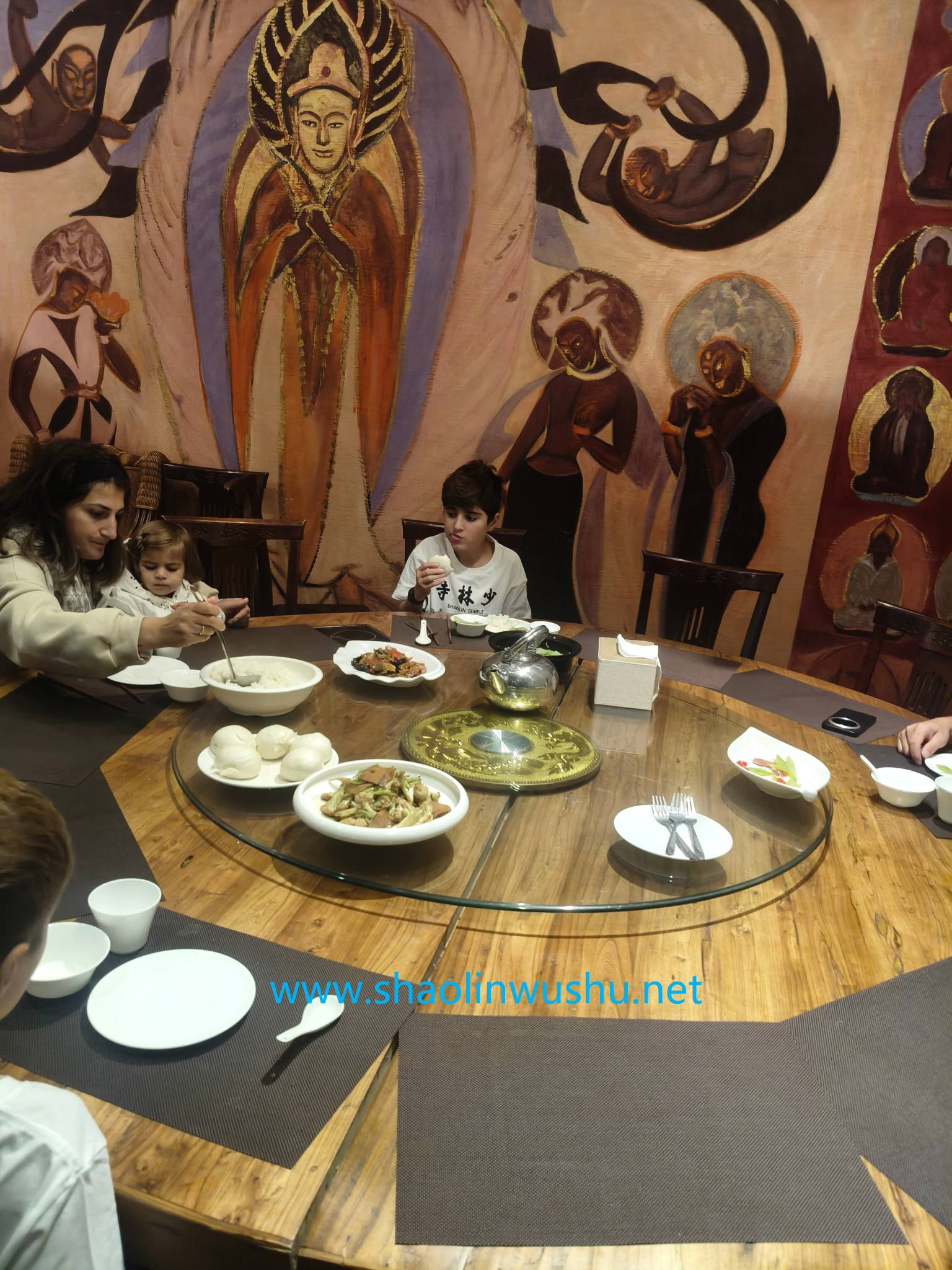
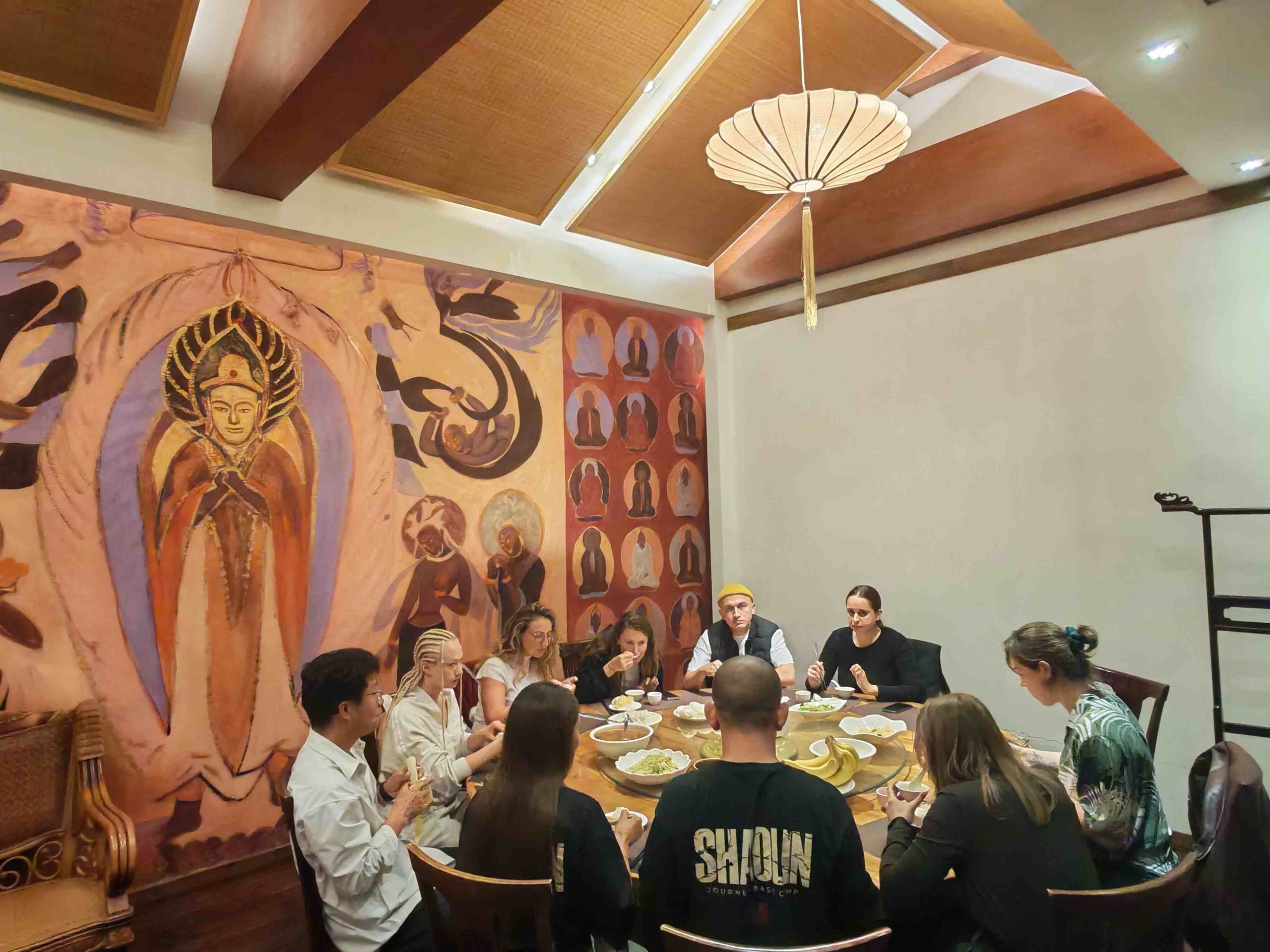
Introduction to Shaolin Yongtai Temple Vegetarian Cuisine
Yongtai Temple is the earliest existing royal nunnery in the Central Plains and the ancestral shrine for Chan Buddhist nuns. First built in 521 AD during the Zhengguang reign of the Northern Wei Dynasty, it boasts a history of more than 1,500 years. The vegetarian cuisine of Yongtai Temple inherits the ancient dining rules of Chan nun monasteries, rooted in the Chan culture of Songshan Mountain. It stands as a representative branch of Buddhist vegetarian traditions in Songshan, and also forms a distinctive part of the Chan and Shaolin Kungfu experience offered at Yongtai Retreat.
Historical Origin: Imperial Vegetarian Heritage Spanning Millennia
The culinary heritage of Yongtai vegetarian food is closely tied to Princess Minglian. She was the daughter of Emperor Wu of the Liang Dynasty, who pioneered the vegetarian precepts in Chinese Buddhism. The Princess practiced here under Master Bodhidharma. She brought imperial vegetarian cooking techniques into the temple, blending them with monastic vegetarian customs of the nunnery and passing them down through generations. This laid the foundation for Yongtai vegetarian cuisine, making it one of the key origins of Buddhist vegetarian food in the Central Plains.
Over the centuries, many emperors visiting Songshan sampled vegetarian meals at local temples. Yongtai vegetarian cuisine retains the simple essence of monastic life while absorbing cooking methods of Henan cuisine. It differs from ordinary home vegetarian dishes: taking meals is not merely a dietary choice, but itself a practice of Chan cultivation. In ancient times, the dining hall was reserved for nuns for formal monastic meals. Later, it opened to devotees, visitors and Shaolin Kungfu trainees.
Philosophy of Ingredients: Sourced from Songshan, Honouring Original Flavours
Yongtai vegetarian cuisine strictly observes the precepts of Chinese Buddhist vegetarianism. It contains no animal products and excludes the five pungent herbs: onion, garlic, chives, asafoetida and shallot. This purity aligns with the mental discipline required for Chan practice.
Three main categories of ingredients are adopted:
1. Seasonal vegetables and wild herbs harvested from the temple’s own garden and the western foothills of Mount Taishi;
2. Local wild mushrooms, Chinese yams and bamboo shoots from Songshan;
3. Handmade gluten, traditional bean products including yuba and dried tofu, rich in plant protein.
Most ingredients are freshly gathered nearby and cooked promptly to preserve their natural mountain freshness. Preparations use little oil and avoid heavy seasoning. The core pursuit is freshness, tenderness, crispness, subtle fragrance and lightness, keeping the true flavour of produce. Nutritionally balanced, it supports trainees during long-term Chan and Shaolin Kungfu practice.
Culinary Features: Ingenuity in Simplicity, Chan Wisdom on the Plate
Yongtai vegetarian cuisine offers two styles to accommodate different experiences:
1. Simple Monastic Meal (Formal Hall Meal)
Consisting of congee, rice, mixed seasonal vegetables and clear soup. The presentation is plain with controlled portions. It follows the monastic tradition of the Five Contemplations at Meal Time. Rather than indulging taste buds, it fosters gratitude and calmness. This is the daily meal for Chan and Shaolin Kungfu practitioners at the retreat.
2. Special Yongtai Vegetarian Banquet
It innovates on classic imitation-meat vegetarian craft. Dishes resemble meat in shape yet remain fully plant-based, with a rich repertoire of over one hundred recipes. Signature dishes include vegetarian Buddha Jumps over the Wall, braised vegetarian fish, vegetarian sausage, vegetarian ribs, crispy vegetarian eel, mixed noble vegetables, wild mushroom casserole and vegetarian twice-cooked pork. Though mimicking meat textures using bean products and mushrooms, the aim is not craving flavour. It helps new visitors adapt and experience vegetarian culture.
Unlike commercial vegetarian restaurants, its cooking style is restrained, avoiding heavy sauces. The principle is: Nourish the body and calm the mind through food. This resonates with the Chan-Shaolin Kungfu philosophy: Shaolin Kungfu tempers the physique, while vegetarian food nourishes vitality and quiets restlessness.
Meal Ritual: Every Meal Is a Chan Session
Traditional monastic dining is known as the Formal Hall Meal, a short Chan ceremony instead of simple eating. Before the meal, practitioners recite verses of dedication with gratitude. Meals are taken in silence; everyone takes only what they need, leaves no leftovers and avoids chatter. After eating, they conclude with dedication prayers and aspirations, observing the Five Contemplations:
Reflect on the effort behind this food and where it comes from;
Examine whether one’s virtue merits this offering;
Guard the mind against greed and other faults;
Regard food as medicine to sustain the body;
Accept this food to support spiritual practice.
Trainees studying Shaolin Kungfu at Yongtai Retreat have two ways to join this tradition. During regular training, they enjoy simple pure vegetarian meals. They may also book a complete Formal Hall Meal ritual. Beside the ancient temple and Tang pagoda, amid mountain breezes and Buddhist chants, they immerse themselves in the Buddhist philosophy of compassion and reverence for all life. Vegetarian trainees may choose this diet throughout their stay without dietary concerns. Others may treat it as a Chan experience and understand that every meal is a practice.
Alignment with the Chan-Shaolin Kungfu System of Yongtai Retreat
Yongtai Retreat sits beside Yongtai Temple with the Tang pagoda at its back, dedicated to integrated Chan and Shaolin Kungfu training. Shaolin Kungfu training consumes energy. Yongtai vegetarian cuisine uses gentle local mountain ingredients to nourish the organs without burdening the body. Meanwhile, its core values of compassion, gratitude and self-reflection match the purpose of Chan Shaolin Kungfu: strengthening the body externally and cultivating the mind internally.
Many international Shaolin Kungfu trainees seek reliable vegetarian options and authentic Chan culture. Yongtai Temple vegetarian cuisine perfectly combines dietary support, wellness nourishment and cultural immersion.
Email: shaolinschool@163.com
Mobile Phone: (0086) 185 2790 7238
Address: 300 meters east to Shaolin Temple inside Shaolin scenic area,Dengfeng City,Henan Province,China.

