

Email: shaolinschool@163.com
Mobile: (0086) 185 2790 7238
Website: www.shaolinwushu.net
Address: 300 meters east to Shaolin Temple inside Shaolin scenic area, Dengfeng City, Henan Province, China.
Introduction to Shaolin Deyuan Zen Caves
Shaolin Deyuan Zen Caves are within shaolin scenic area,300 meters east to Shaolin Temple.This center and our international center are now the only place within the Shaolin Scenic Area where you can stay and practice Shaolin Kungfu.
As Shaolin Scenic area is currently under closed management, all Shaolin Kungfu schools, hotels, residents and other facilities have been relocated outside the scenic zone.It is situated in the mountains to the northeast of the Shaolin Temple Traditional Kungfu Training Center.
As meditation caves that carry the inheritance of Shaolin Zen, martial arts, and medicine from the Ming Dynasty (1368-1644 AD)to the present day.According to tradition, the cave dates back to the Ming Dynasty, where Wuyan Zhengdao, the founder of the Yonghua Hall of Shaolin and the officially appointed Abbot, once retreated in seclusion. In modern times, Master Suxi (Honorary Abbot of Shaolin Temple) stayed here during special periods, upholding the integrated tradition of Zen, martial arts, and medicine. Today, it is inhabited by Shaolin monk masters, who promote the philosophy of “cultivating the mind through Zen, strengthening the body through martial arts, and healing the world through medicine”.
Cave Features:
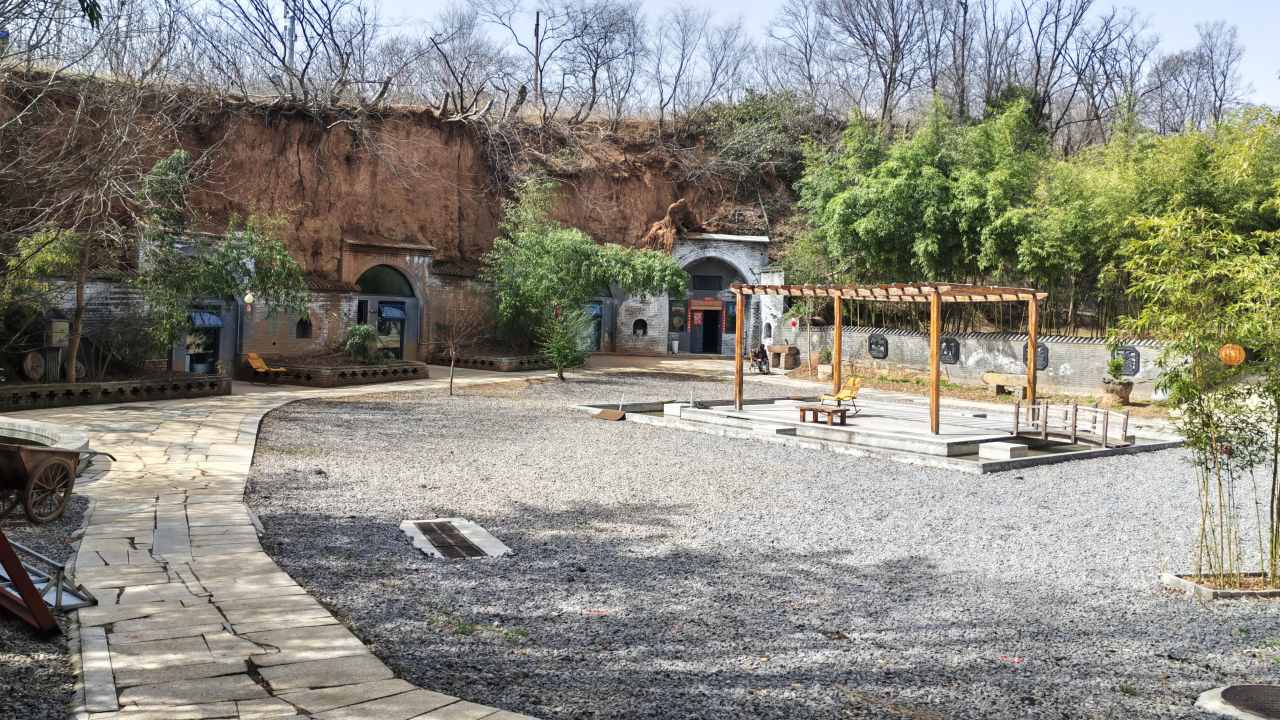
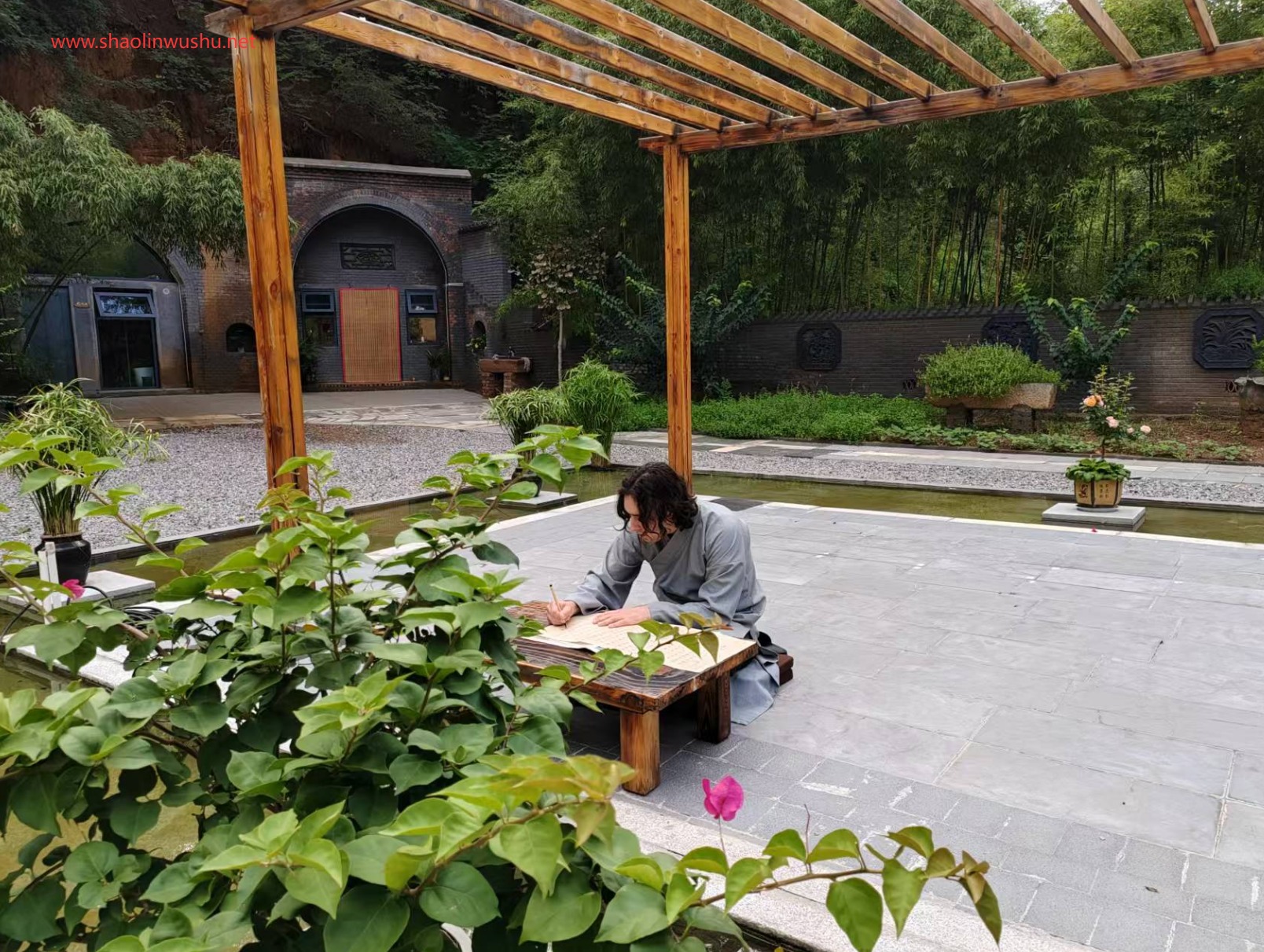
They are natural limestone caves with an arched entrance built of grey bricks and blue stones. The interior space is modest, furnished with meditation seats and Buddhist shrines. Outside the cave lies a platform and ancient pine trees, offering a distant view of the scenery of Mount Shaoshi. The cave remains cool in summer and warm in winter.
Adjacent to key attractions such as the Shaolin Temple and the Chuzu Temple, it is part of the extended area of Shaolin Temple. Along the mountain path are small stone inscriptions and ancient springs.
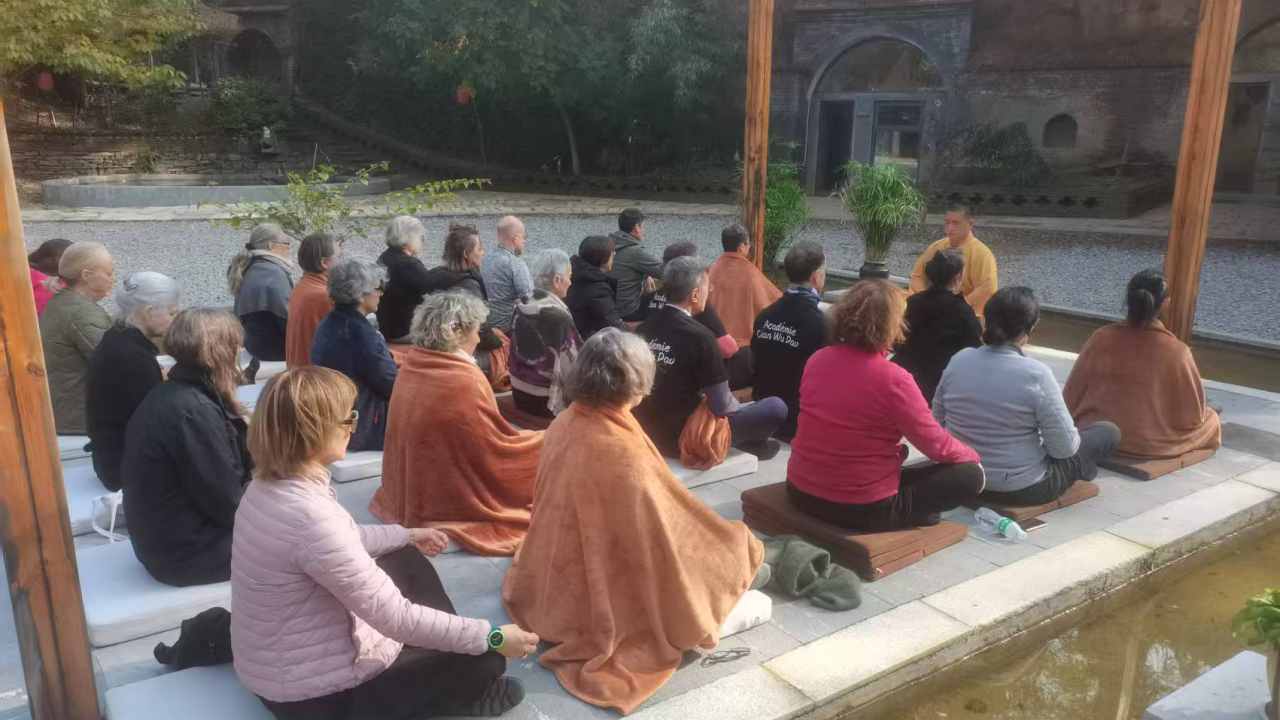
As a pure and tranquil retreat place for Shaolin meditation, the caves are used for retreat, seated meditation, sutra chanting ,calligraphy,tea ceremony,Shaolin kungfu training and Buddhist singing bowl healing. It also hosts meditation experiences and Shaolin cultural exchange activities for those with a spiritual connection and Shaolin pursuers.
Besides Master Deyuan teaches Shaolin Kung Fu and the concepts of Shaolin Zen medicine here, practicing the integrated Shaolin tradition of “Zen as the essence, martial arts as the application, and medicine as the protection”.
Surroundings
Internal environment
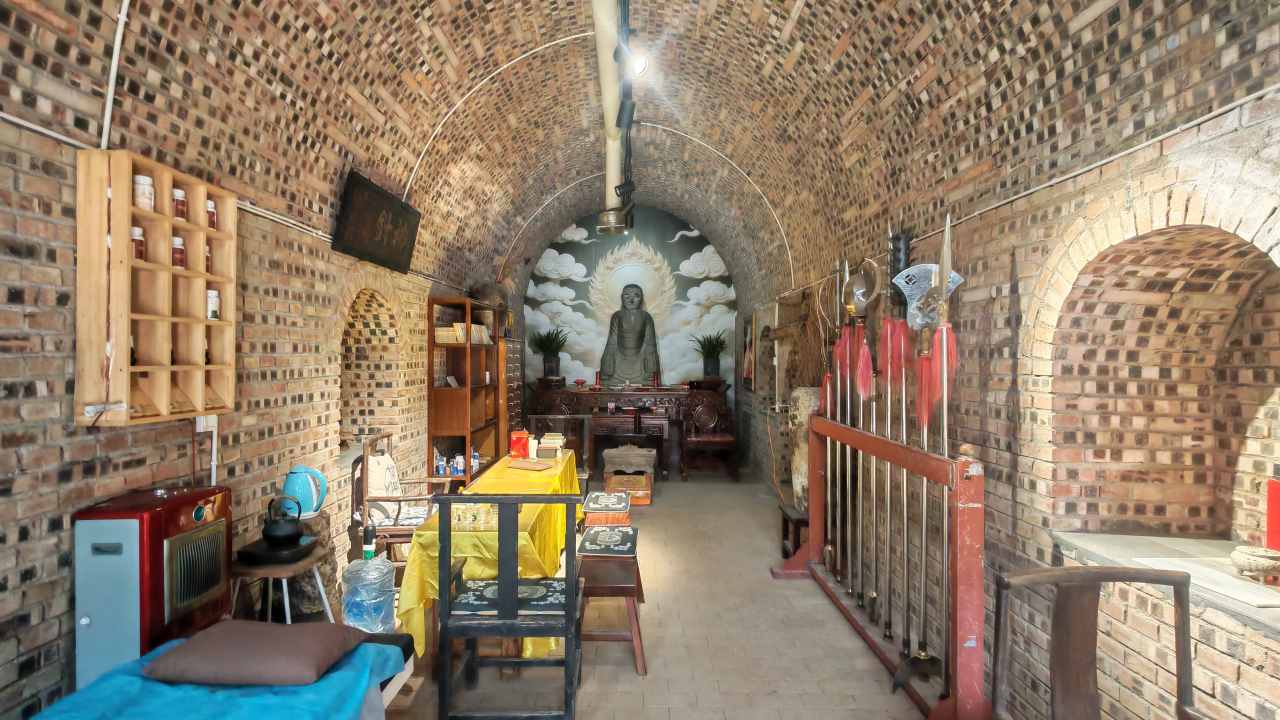
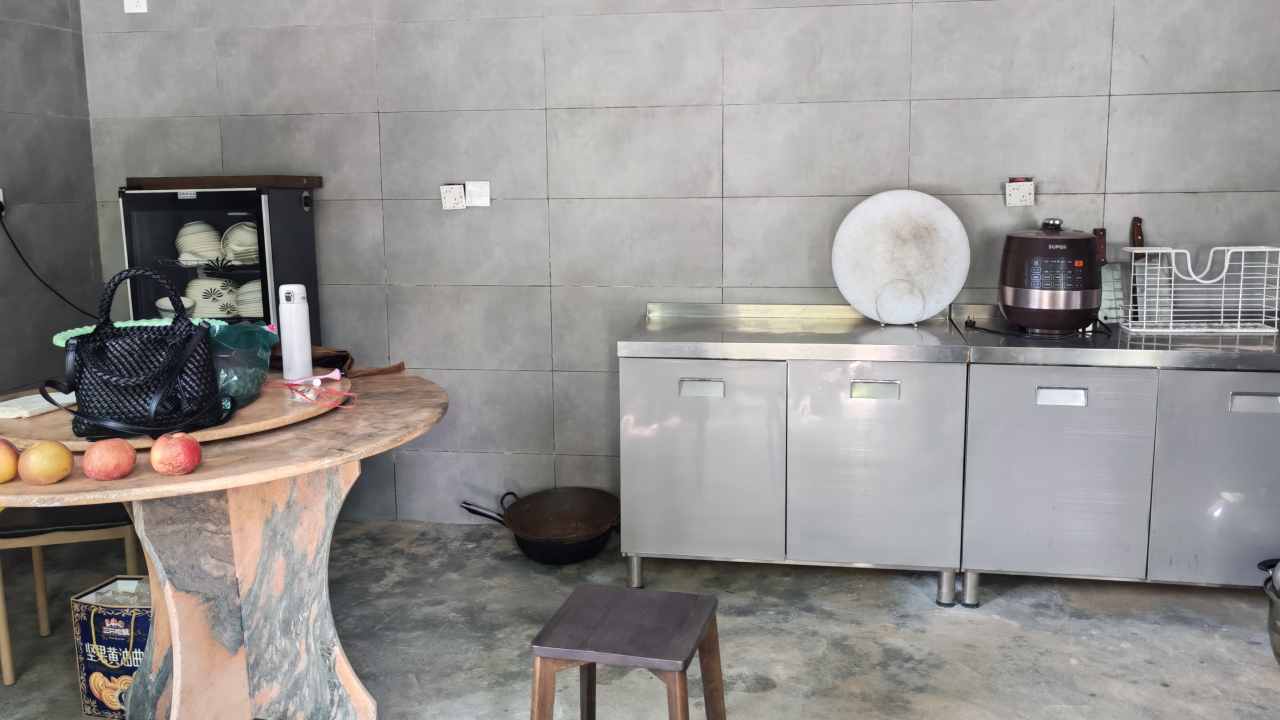
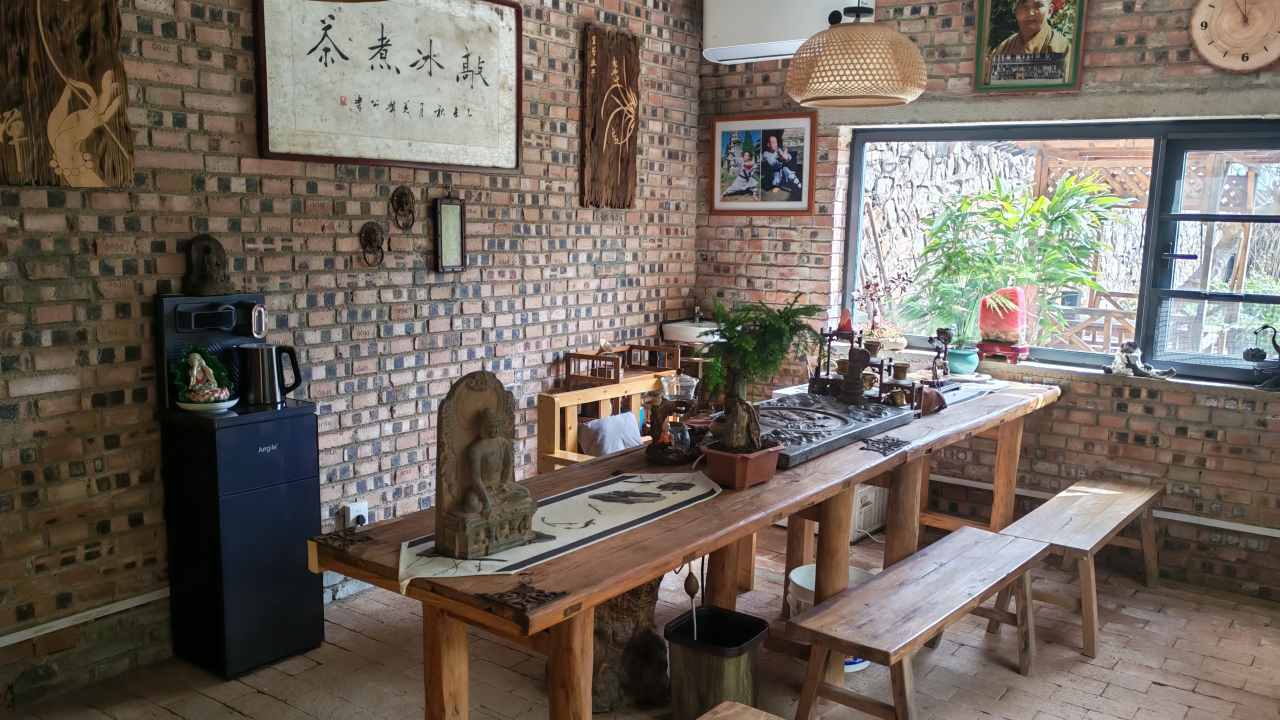
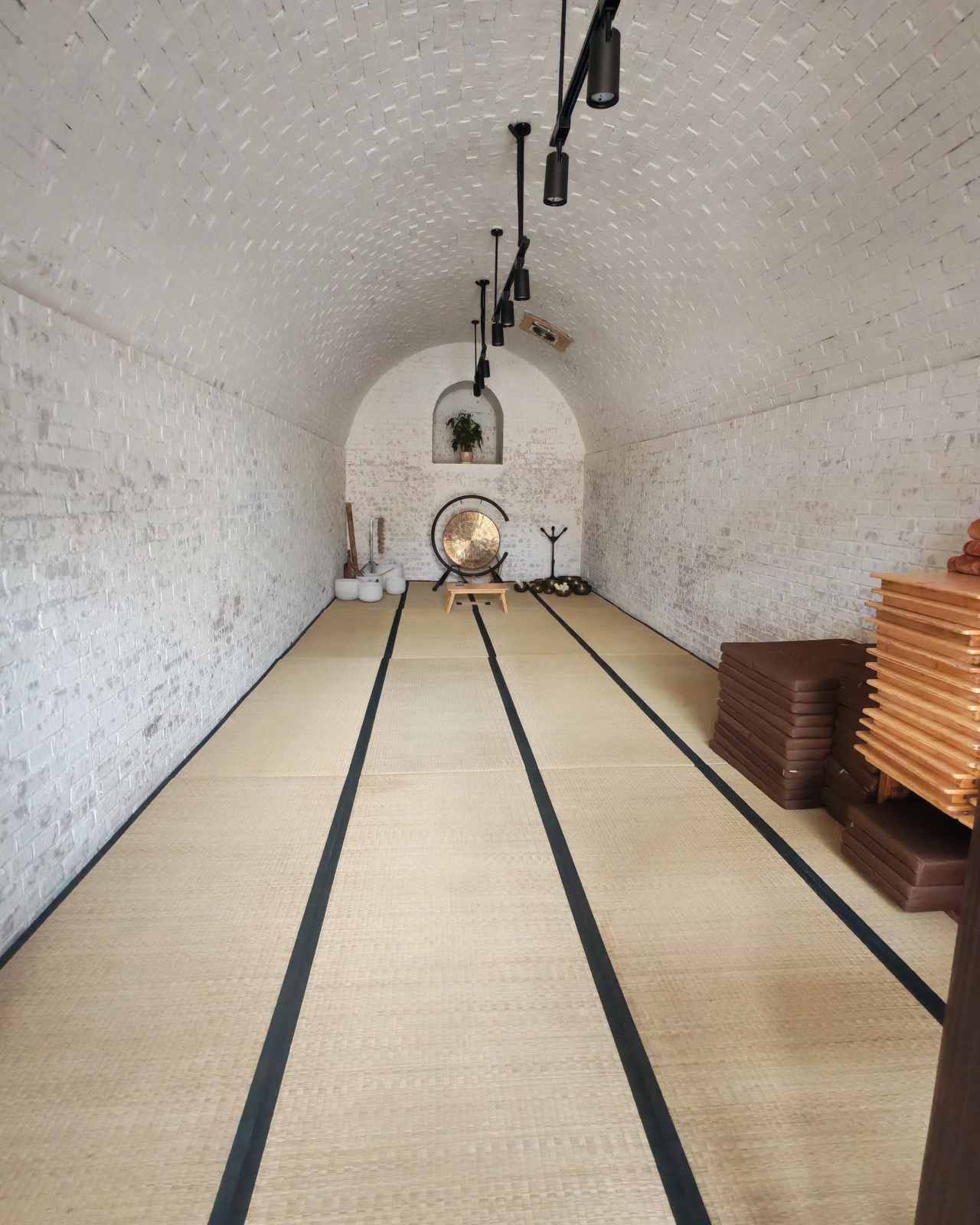
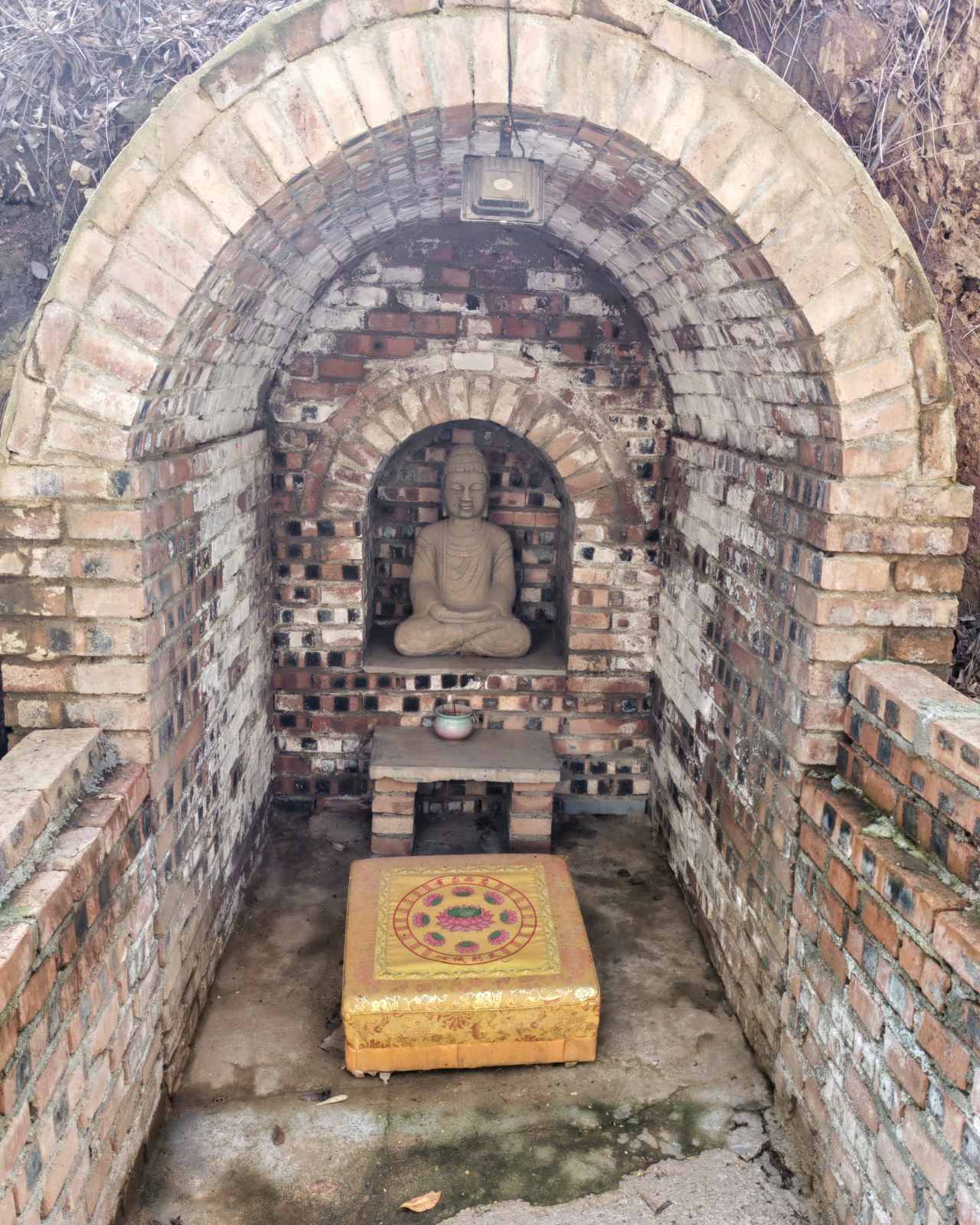
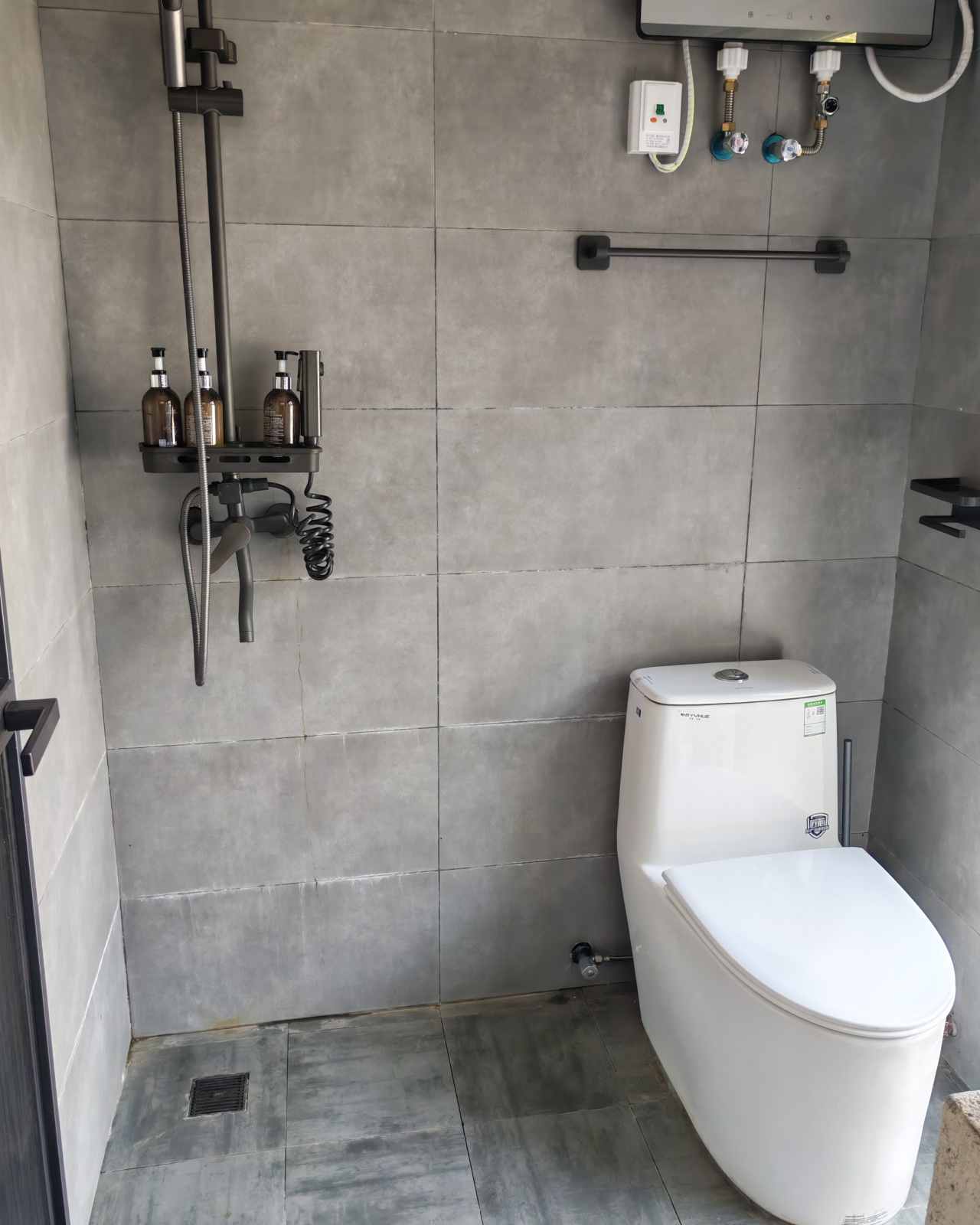
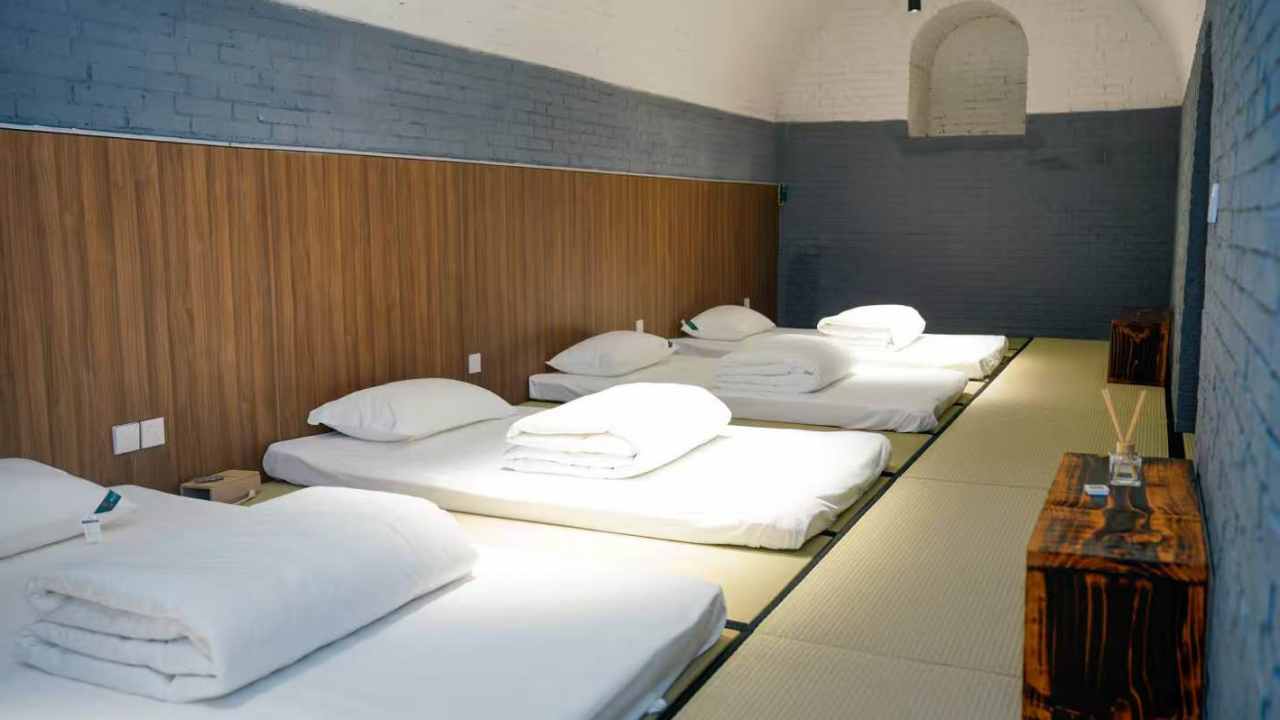
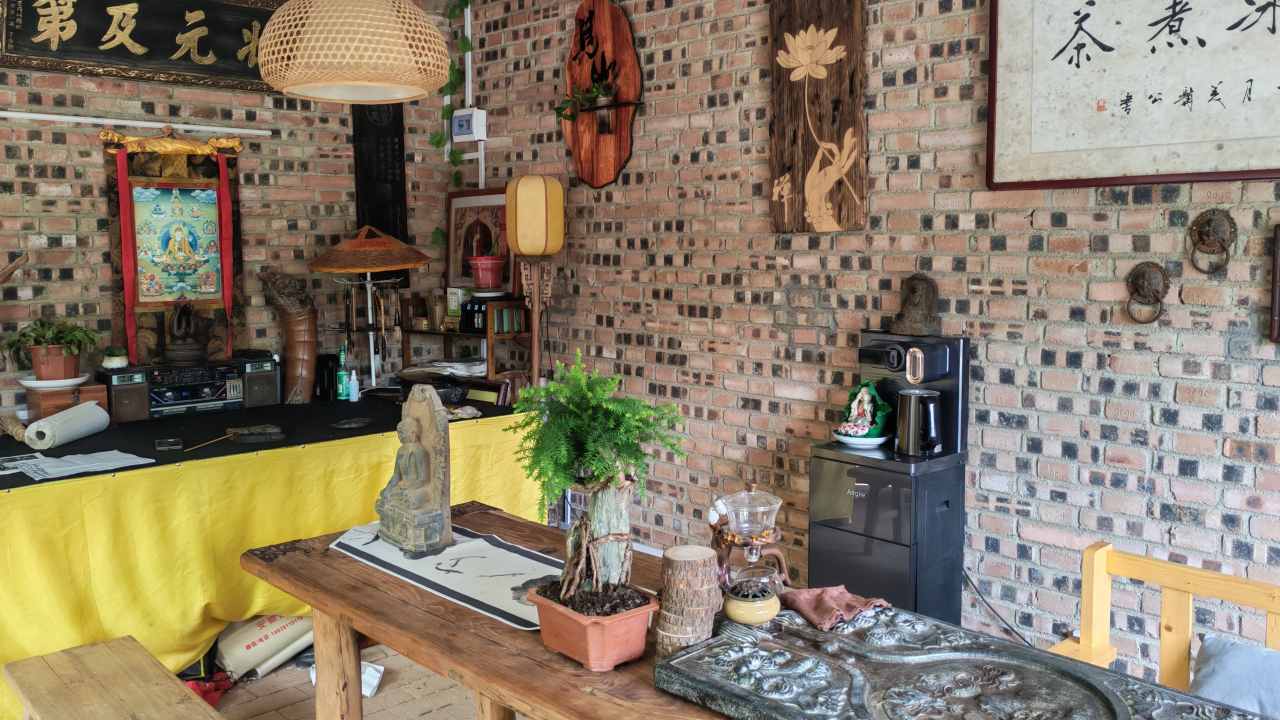
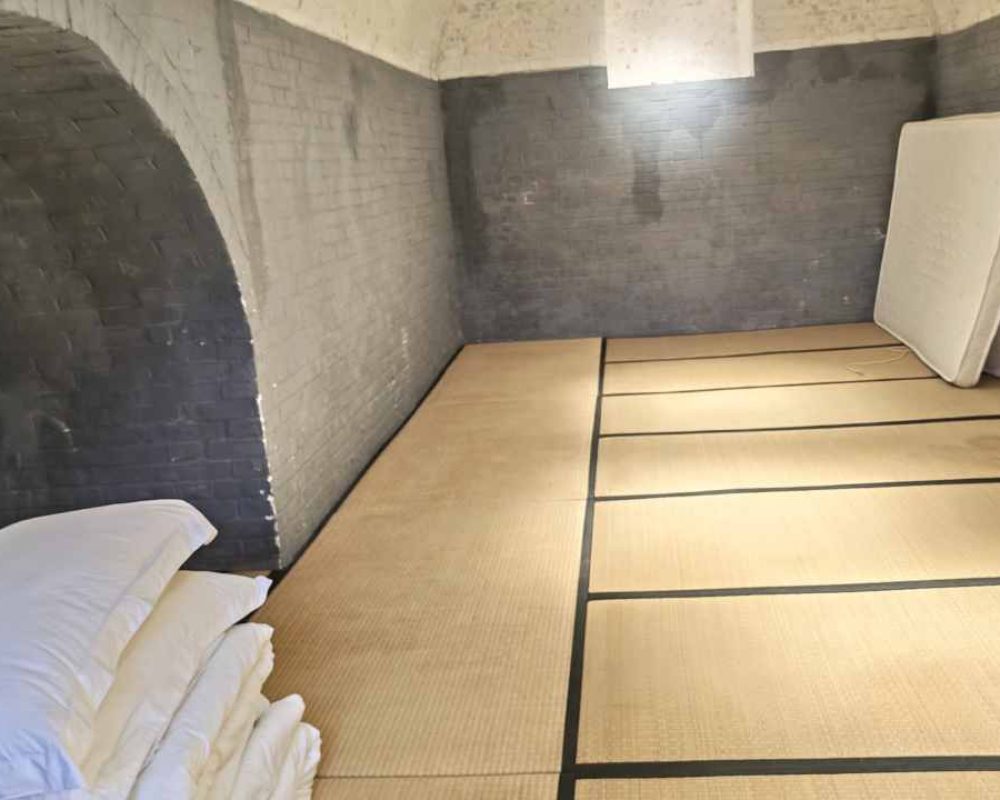
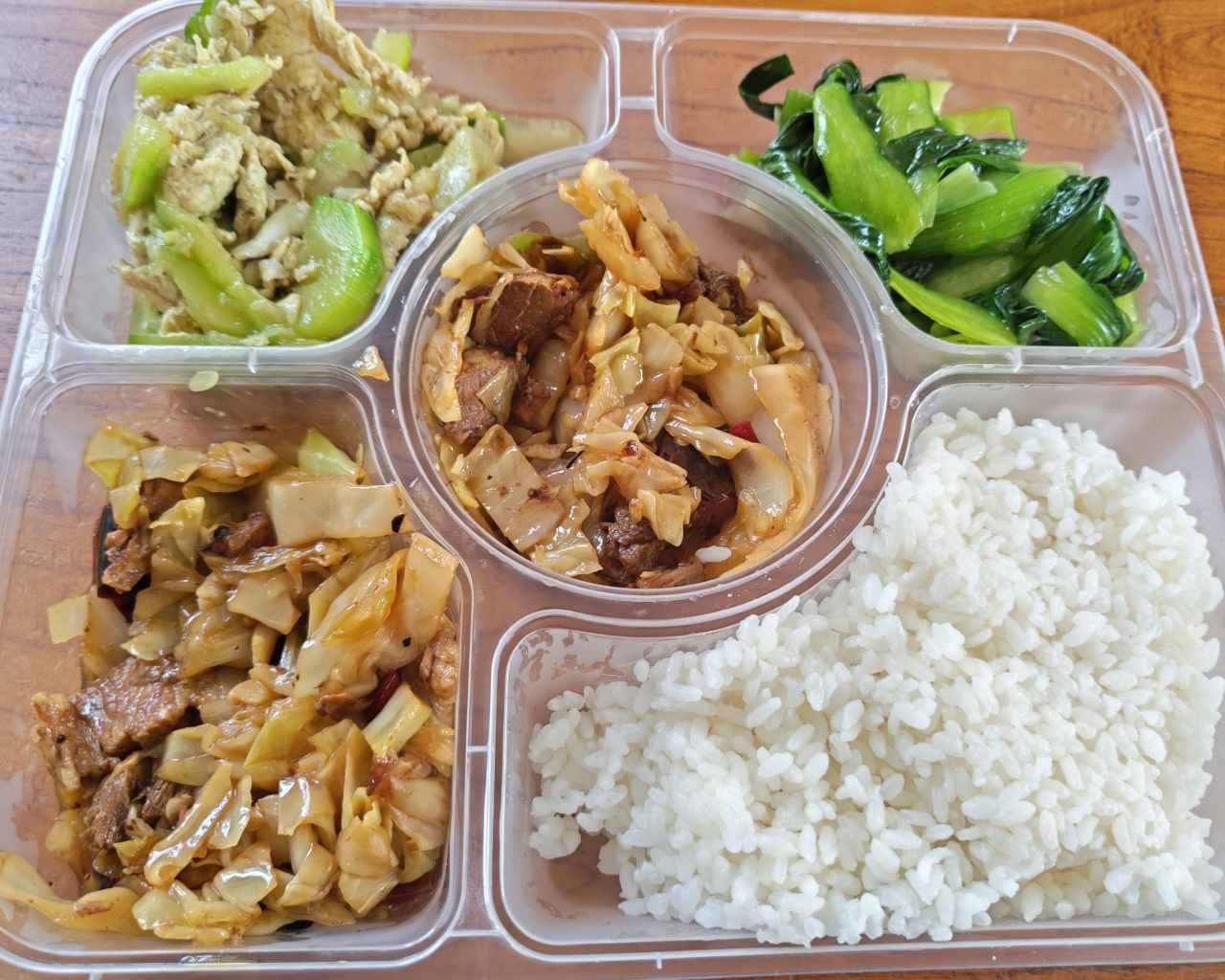
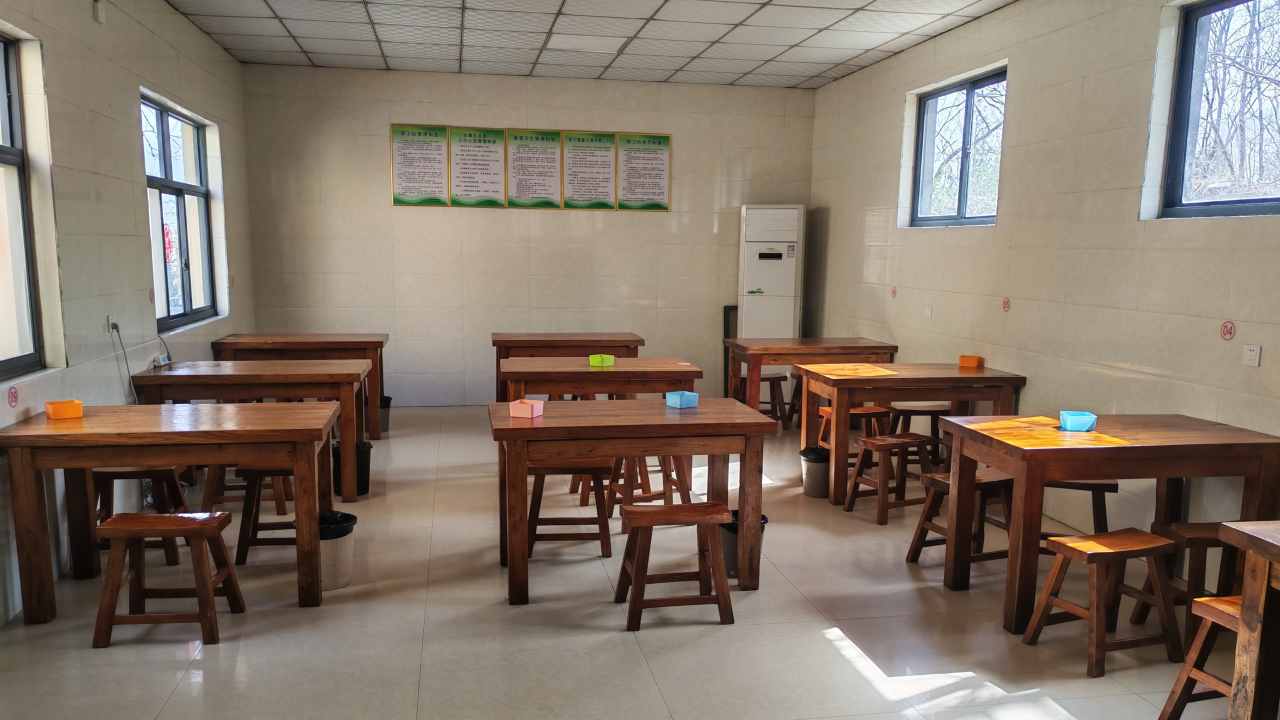
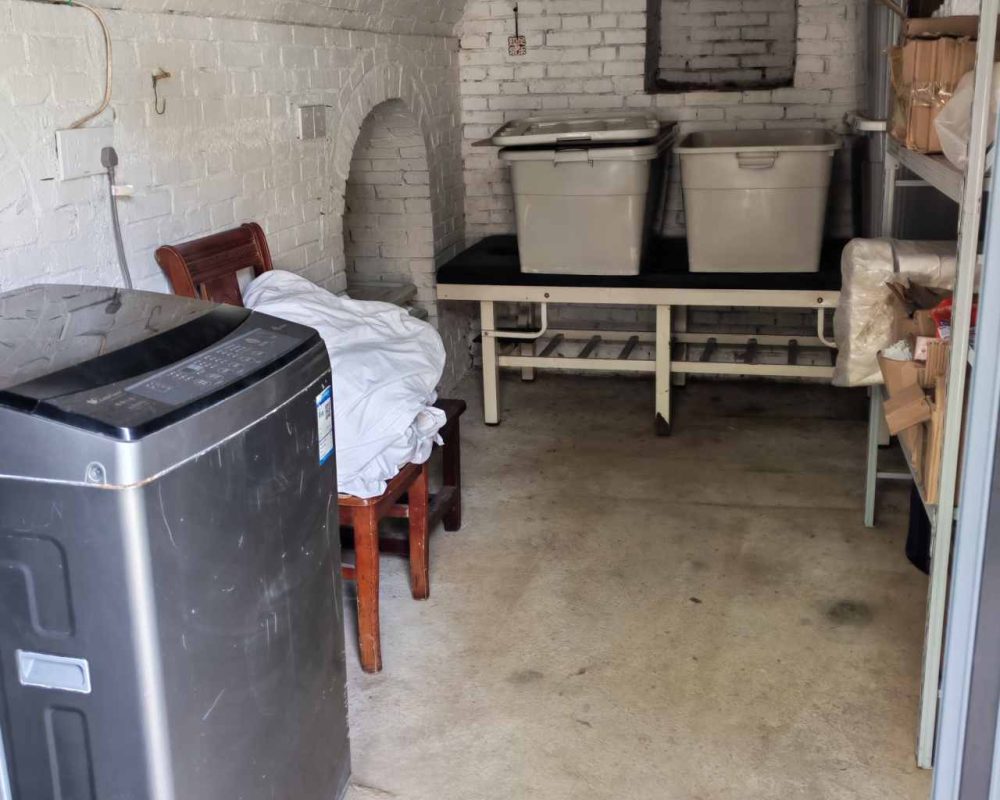
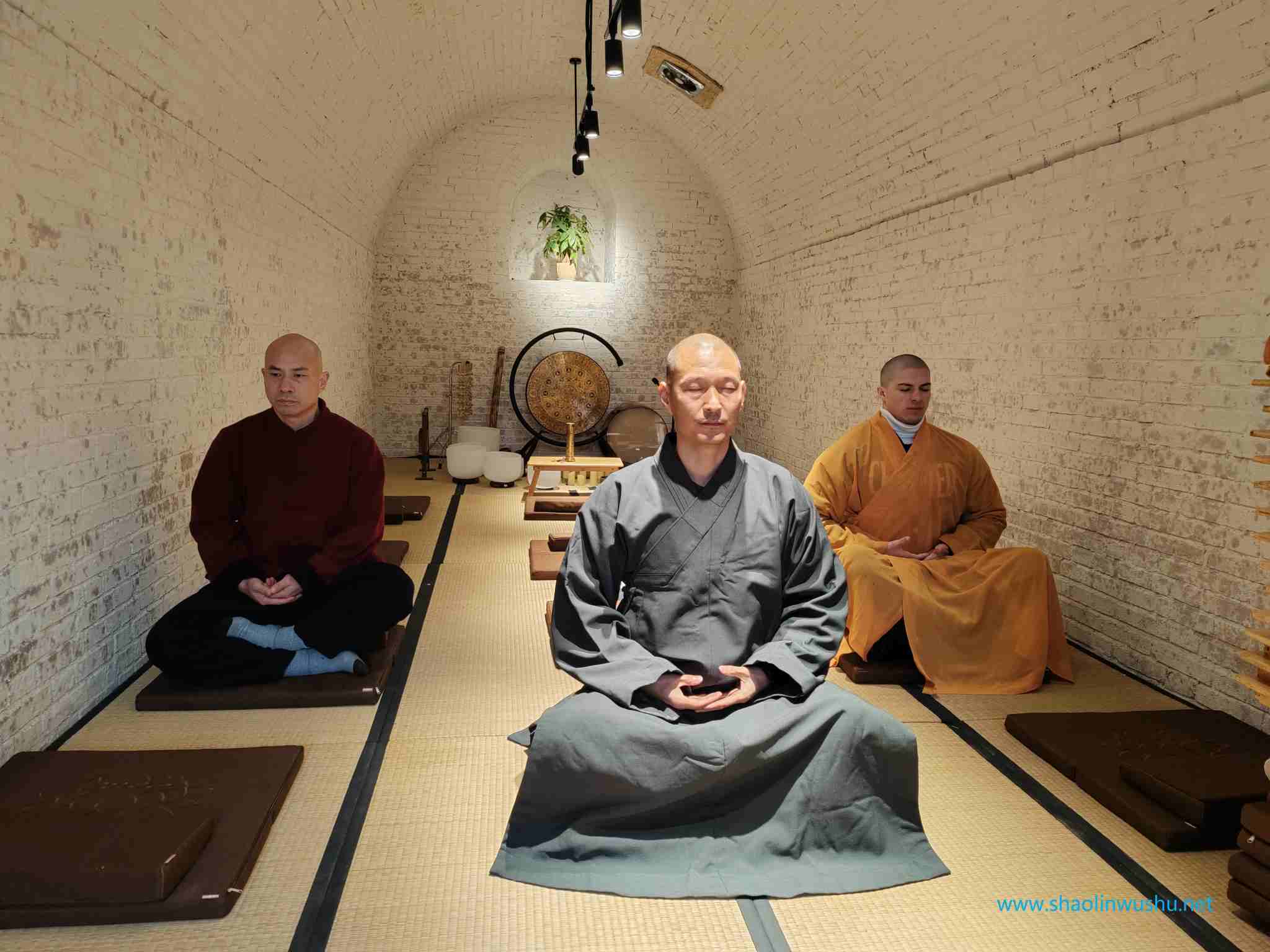
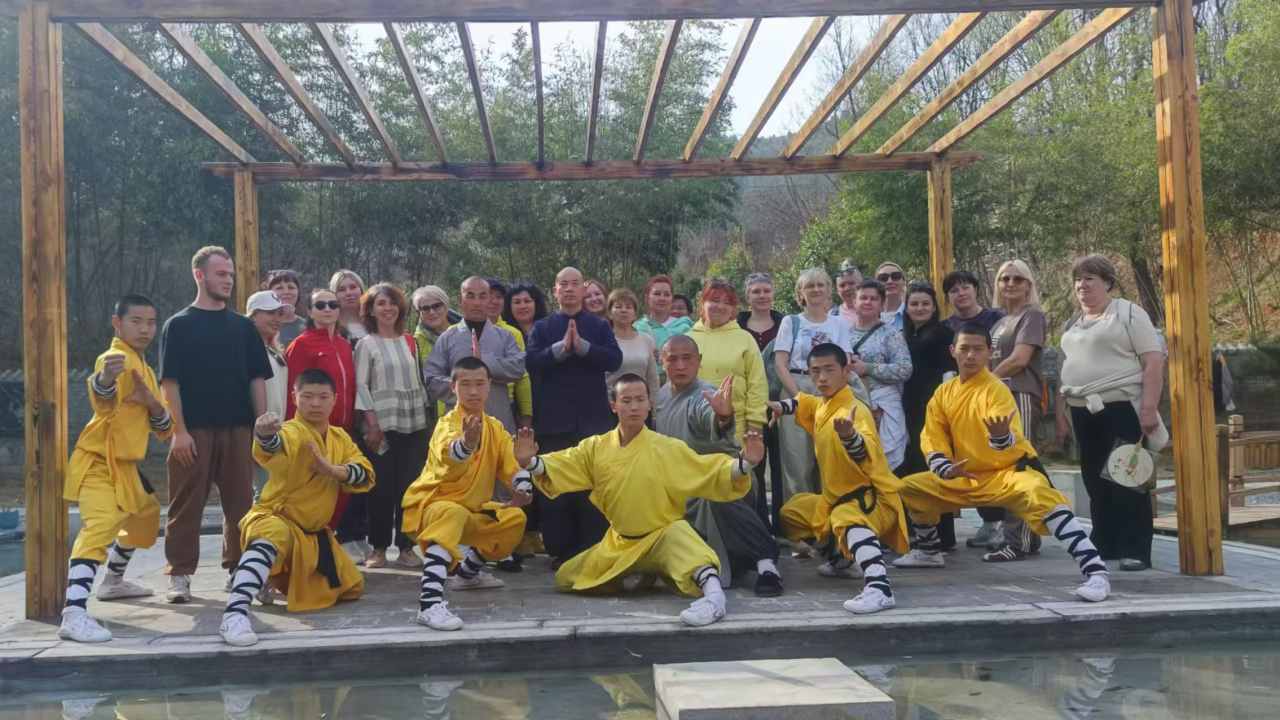
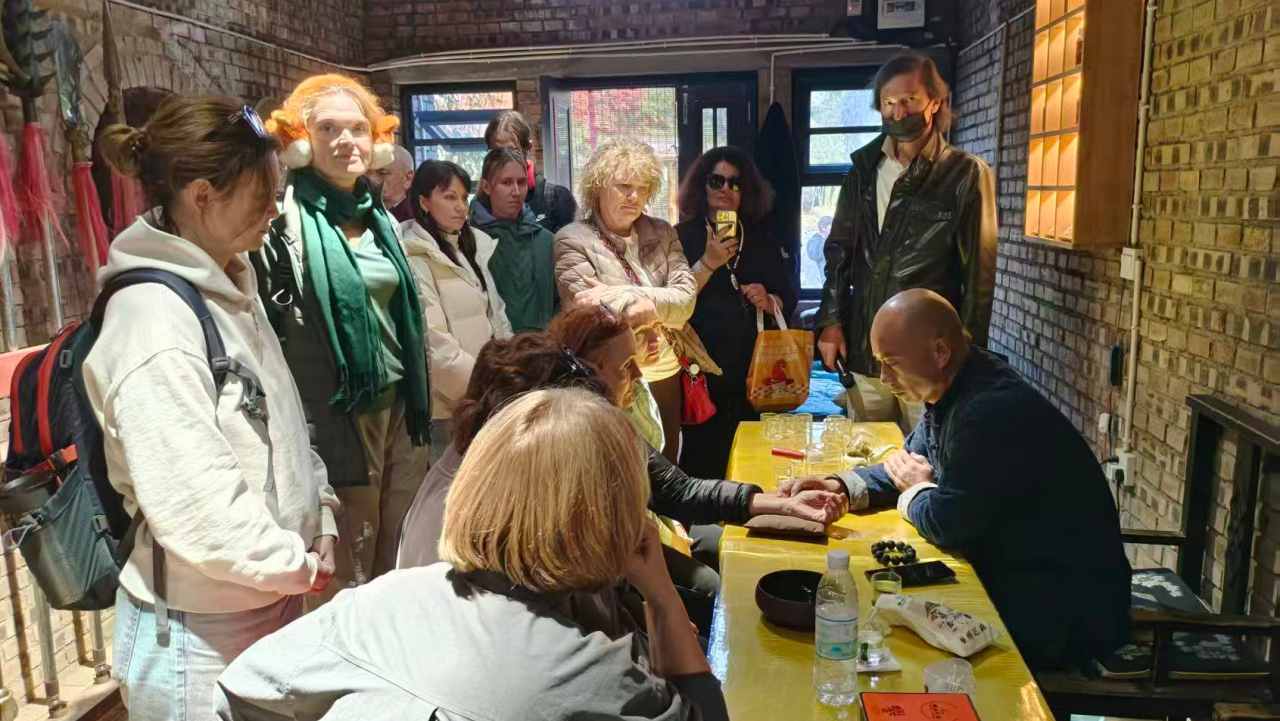
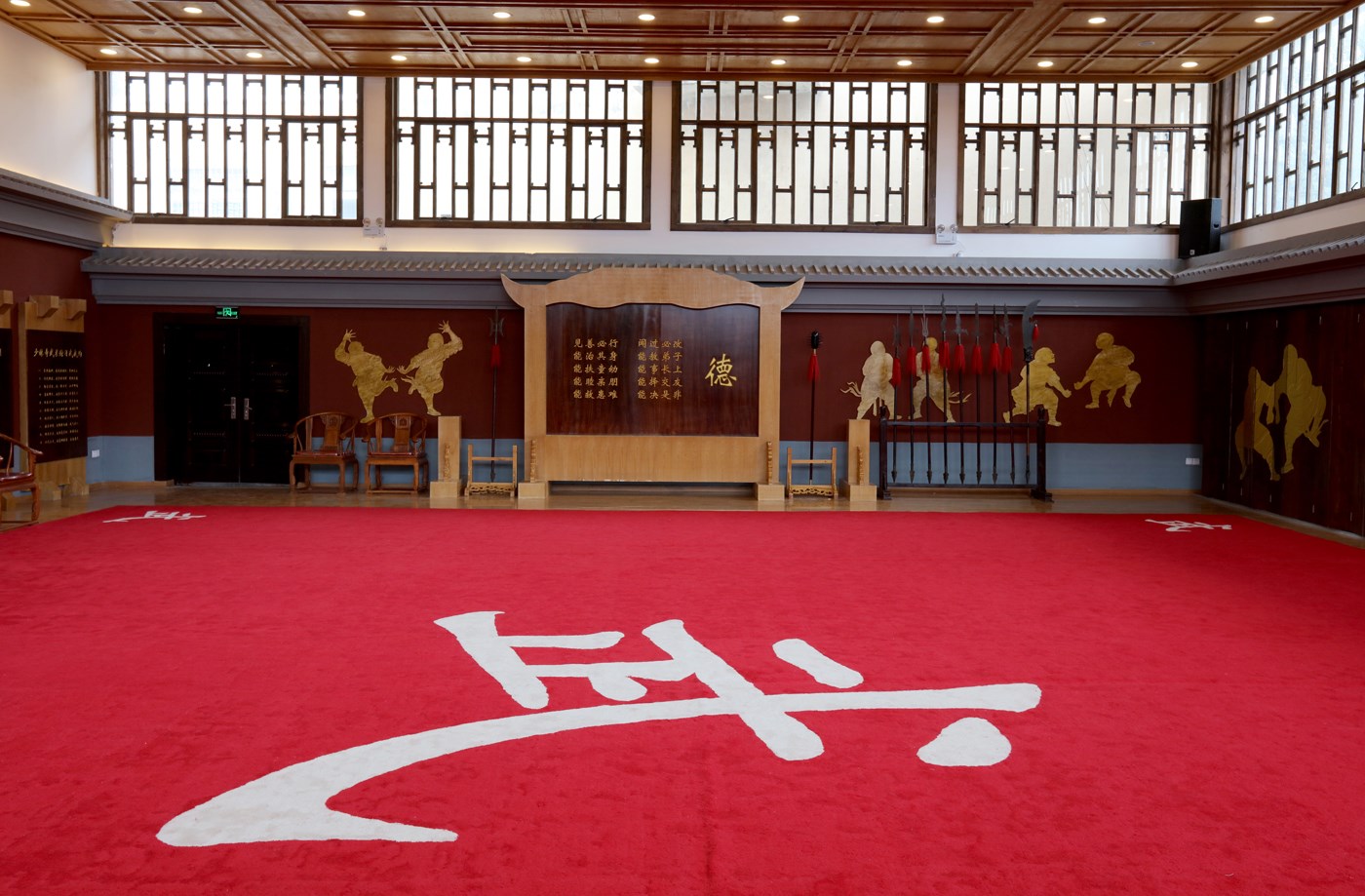
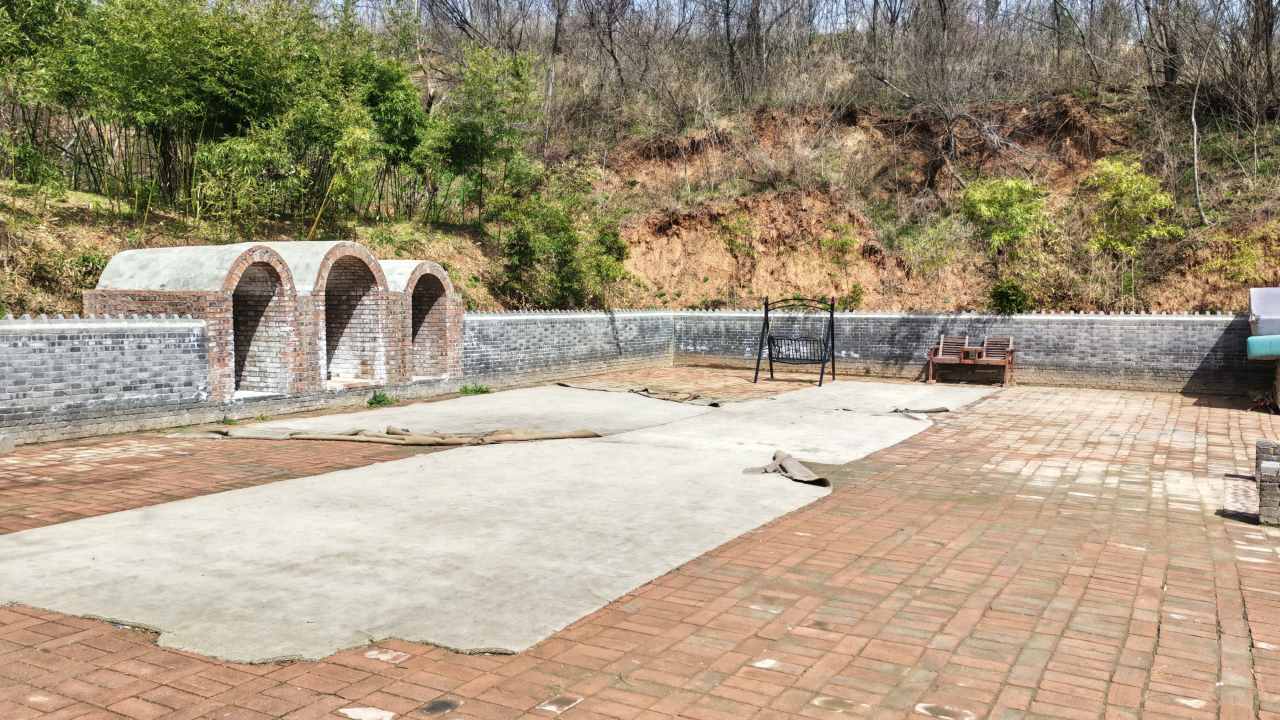
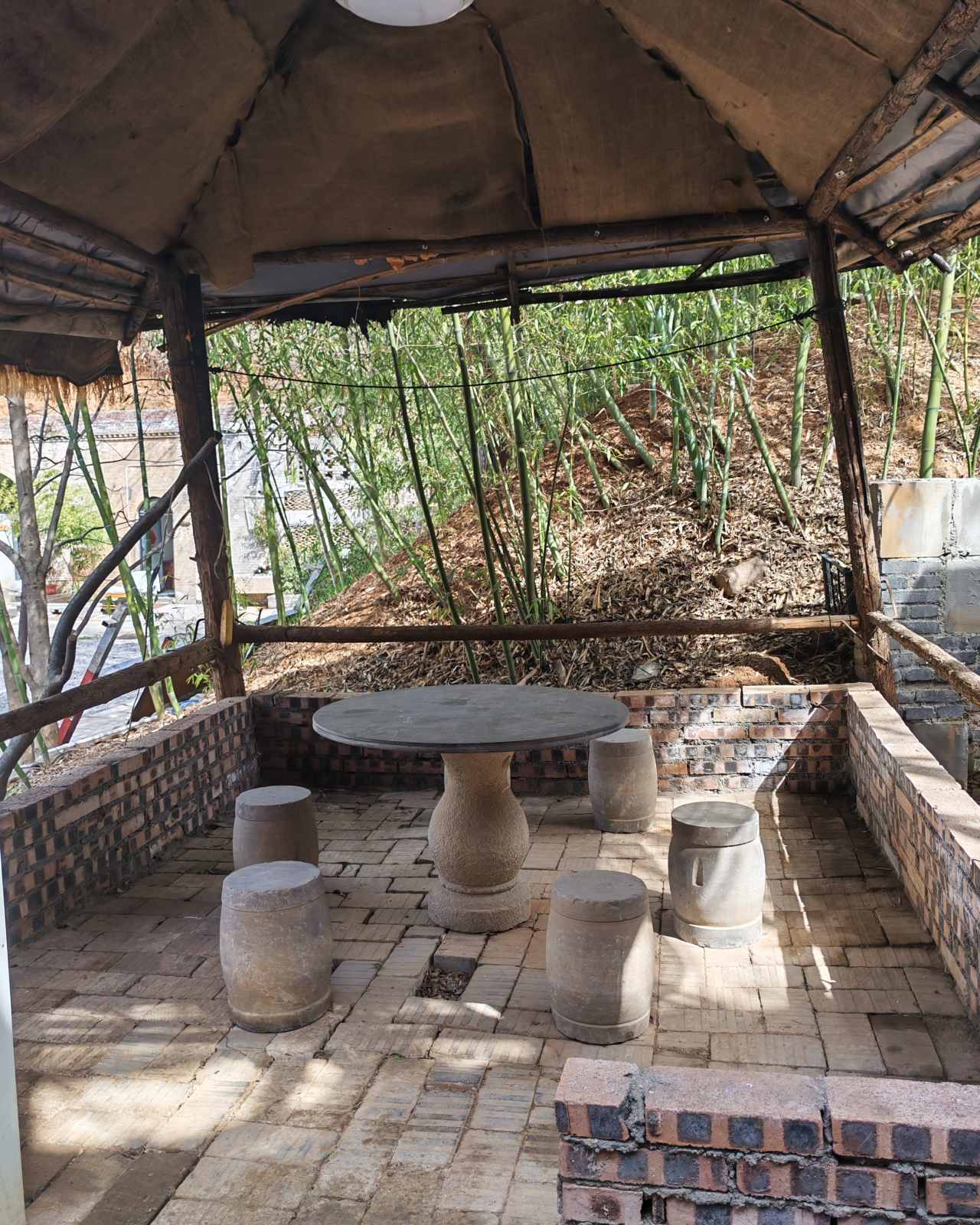
When it rains or snows we will take the training courses at the Standard Indoor Martial Arts Training Ground at the international center or the pavilion in the middle of the courtyard. Each Zen cave is equipped with a ventilation system so the air within is very fresh. Laundry is available here.There is also an open-air training ground that blends harmoniously with nature, where you can see the Shaolin Temple. It is exceptionally peaceful—a rare meditation sanctuary that offers tranquility amid the hustle and bustle.At dawn and dusk, the morning bell and evening drum of the Shaolin Temple can be heard, with Buddhist chants lingering and the bell tolling far away, instantly calming the mind and refreshing the soul.
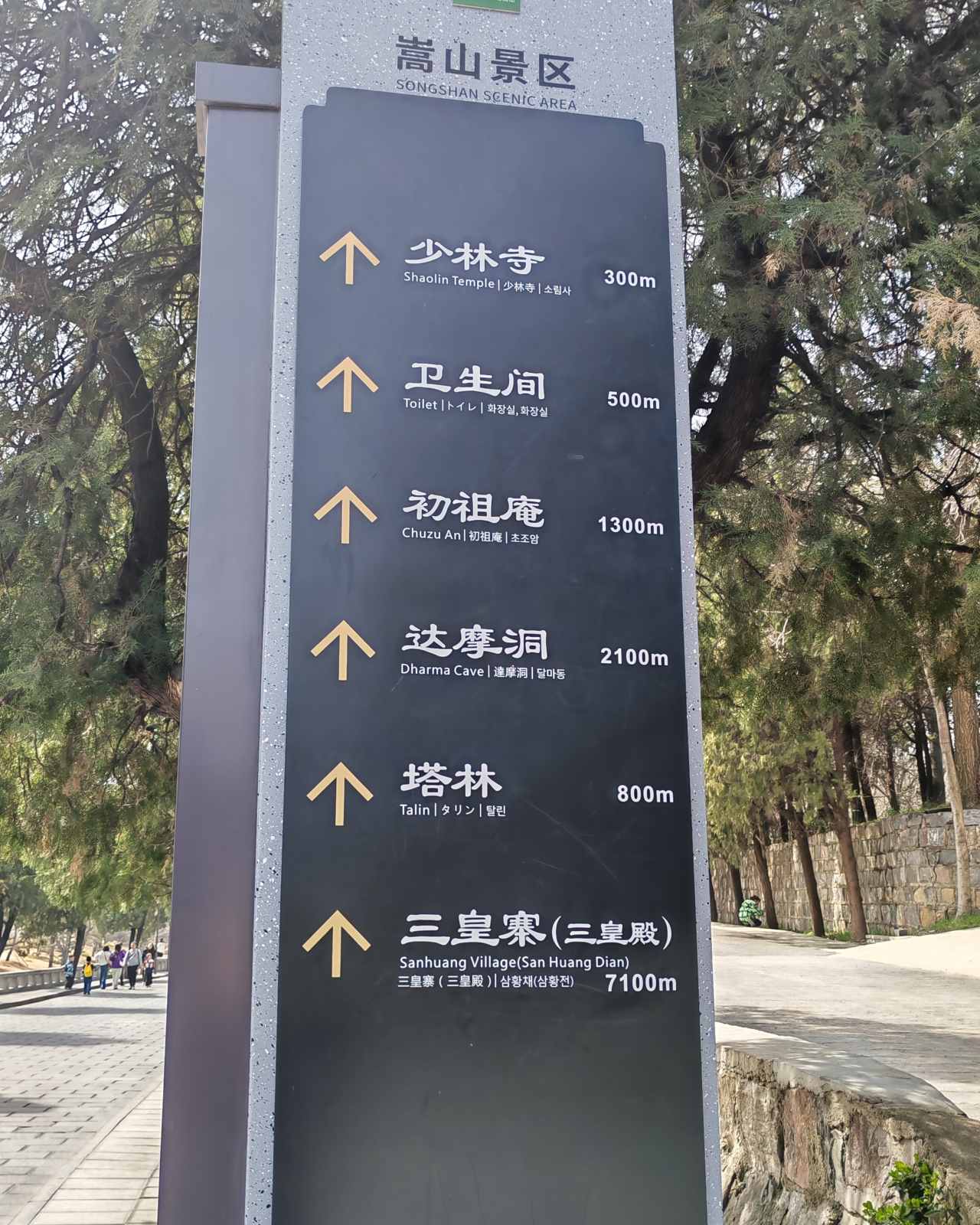
The admission ticket to Shaolin scenic area is 80-100 CNY covering :
Shaolin Temple Main Compound: The core architectural complex of Shaolin Temple, laid out in a seven-hall courtyard structure. It consists sequentially of the Mountain Gate, Heavenly King Hall, Mahavira Hall, Scripture Collection Pavilion, Abbot’s Courtyard, Lixue Pavilion (Standing in Snow Pavilion), and Thousand-Buddha Hall. It houses precious historical relics such as the calligraphy plaque inscribed by Emperor Kangxi, Ming Dynasty murals, and the standing stake pits used by warrior monks.
Shaolin Pagoda Forest: The largest existing group of pagodas for eminent monks in China, featuring over 200 brick and stone pagodas of various styles built from the Tang Dynasty to the Qing Dynasty. It serves as important open-air material for the study of ancient Buddhist architectural history.
Shaolin Kungfu Performance (inside our international center): Fixed multiple daily shows of Shaolin Kung Fu, including traditional disciplines such as boxing, staff techniques, and hard Qigong. No extra fee is required; admission is by ticket according to performance schedules.
Sanhuangzhai: The core natural scenic area of Mount Shaoshi, a key section of the Songshan Global Geopark. It features famous landscapes including Shuce Cliff, Liantian Suspension Bridge, and Sanhuangchan Temple, with steep terrain and magnificent scenery.
Chuzu Temple: Built in memory of Bodhidharma, the First Patriarch of Chan Buddhism, located at the foot of Mount Wuru. It preserves well‑valued wooden structures and exquisite stone carvings from the Song Dynasty with great artistic and historical significance.
Bodhidharma Cave: The meditation site where Bodhidharma practiced in seclusion for nine years, situated on Mount Wuru. Inside the cave are relics related to the origin of Chan Buddhism, such as the Bodhidharma Shadow Stone.
Erzu Temple: Constructed in commemoration of Huike, the Second Patriarch, who cut off his arm to seek the Dharma. Located atop the Boyu Peak, it offers a panoramic view of Mount Songshan. The temple contains a Ming Dynasty iron bell and the famous Four-Eyed Ancient Well.
