

Jaylen Brown learnt Shaolin Kung Fu at Shaolin Temple on June 9th 2026
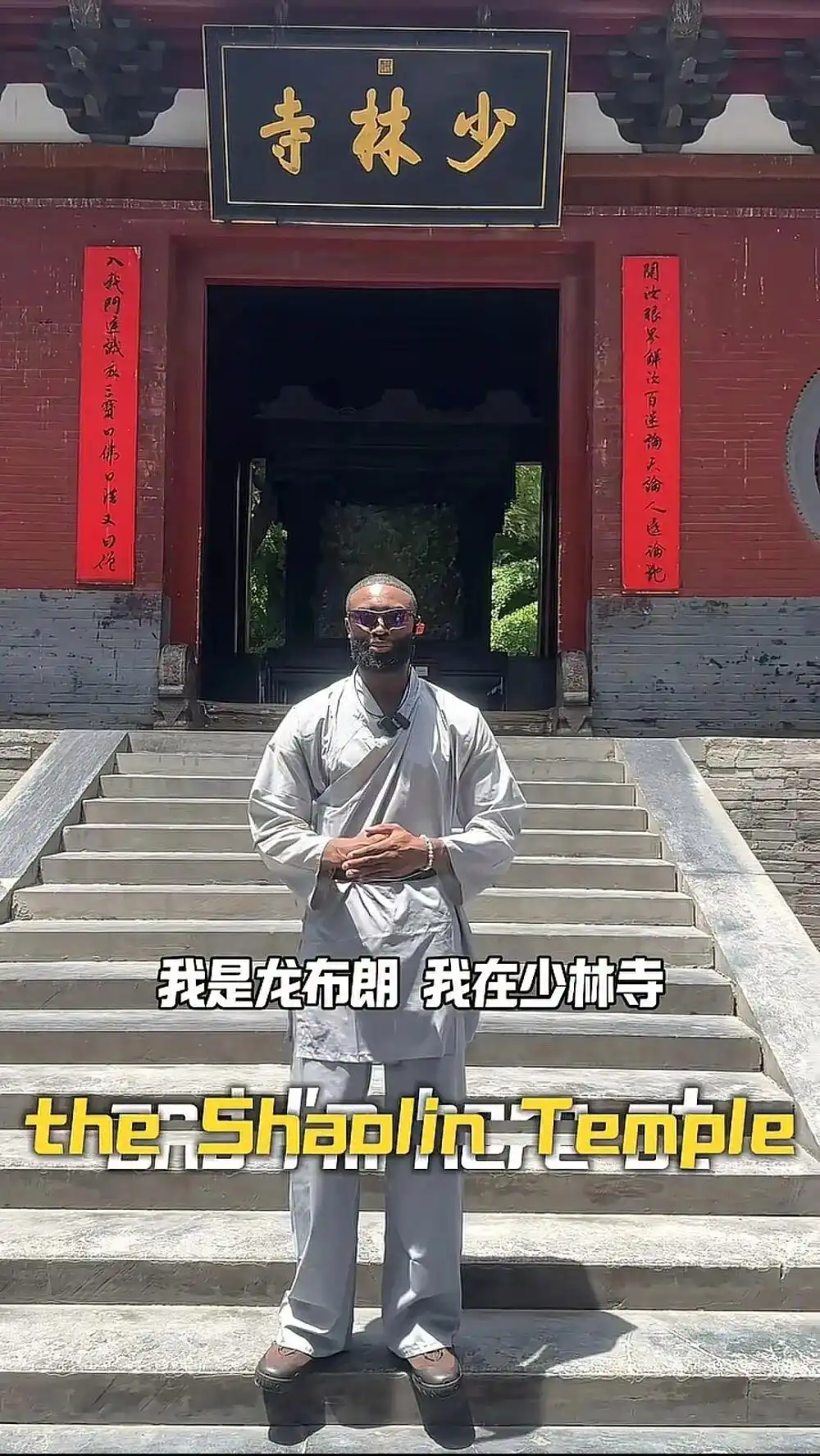
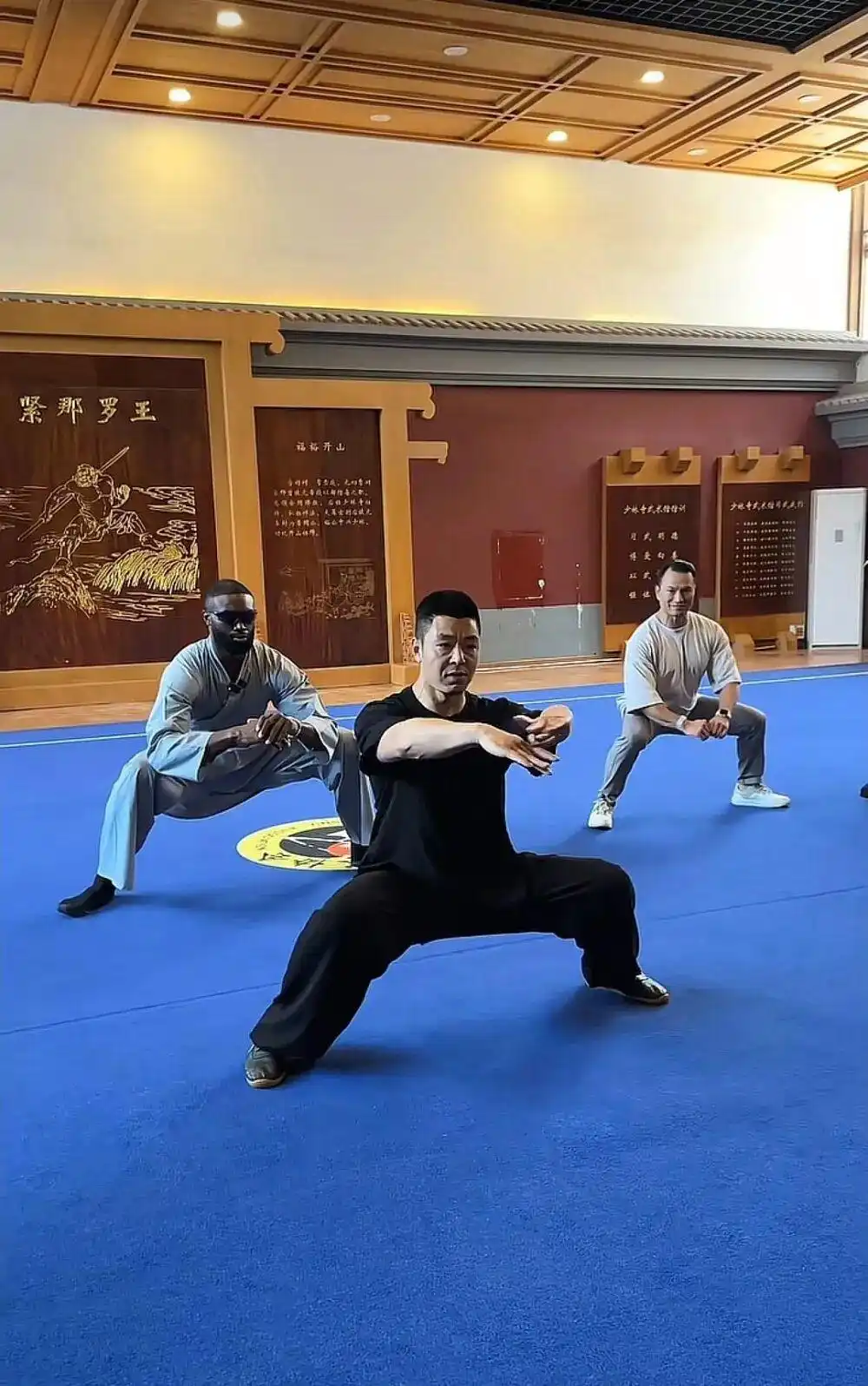
Jaylen Brown Visited Shaolin Temple and experienced Shaolin Kung Fu Culture on June 9th 2026
I. Full Recap of the Event
1. Background
In June 2026, Jaylen Brown, star player of the Boston Celtics and Finals MVP, embarked on his annual China tour. After stops in Hengdian and local campuses across China, he made a special trip to Shaolin Temple on Songshan Mountain in Henan Province on June 9 with his immersive visit lasting roughly two hours.
A long-time enthusiast of Eastern culture and admirer of Bruce Lee, Brown has been self-studying Chinese for years. This trip marked another in-depth encounter with Shaolin Kung Fu by a top NBA star, following Victor Wembanyama’s previous visit.
2. Detailed Itinerary
1.Paying Homage to Buddha and Embracing Zen Serenity
Upon arrival, he changed into plain Zen robes and a traditional martial artist’s sash. He burned incense and bowed with hands folded before the Mahavira Hall, admiring the ancient temple architecture and tranquil Zen atmosphere. He maintained a humble demeanor throughout and repeatedly showed respect with the traditional Chinese fist-and-palm salute.
2.Hands-on Experience of Fundamental Shaolin Kung Fu
He learned core foundational techniques from warrior monks, including standard horse stances, basic straight punches, and breathing meditation during static stances. He observed weapons such as Shaolin staff and sword, attempted fundamental weapon routines, and actively asked about force generation and center-of-gravity control. He held horse stances far longer than average tourists and carefully corrected his movements. He also asked the monks how stance training and breath regulation could boost physical stability and resistance in competitive sports, linking the practice to his basketball training logic.
3.Public Interaction and Viral Social Media Coverage
He willingly took photos and signed autographs for visiting tourists without any superstar arrogance. That day, he announced his exclusive Chinese name “Long Brown” on X (Twitter) and Chinese short-video platforms, posting the caption “Shaolin Kung Fu is amazing”. Related videos and photos gained tens of millions of views within a single day, sparking heated discussions among global basketball and Shaolin Kungfu communities.
4.Personal Insights and Follow-up Remarks
During his visit, Brown contemplated the philosophical meaning behind the Chinese character for “martial”: its components symbolize “stopping weapons and conflict”. He took down the warrior monks’ lesson that true strength lies in conquering oneself rather than defeating others. He publicly stated that the mind-body training philosophy of Shaolin Kung Fu helps athletes manage competition pressure and refine bodily control. He plans to return to China this summer for systematic training in Shaolin techniques to integrate Zen martial self-cultivation into his daily athletic regimen.
II. In-depth Exploration Rooted in the Core Spirit of Shaolin Kung Fu
(I) The Essence of Shaolin Kung Fu: Unity of Zen and Shaolin Kungfu
What distinguishes Shaolin Kung Fu from pure combat arts is its core principle: Zen as the root, Shaolin Kungfu as the application, cultivating the mind through martial practice and sharpening the body through Zen meditation. This philosophy resonated most deeply with Brown.
1.Origins: Zen Meditation Gives Birth to Martial Skill
Shaolin Temple is the birthplace of Chinese Chan Buddhism. Legend holds that Bodhidharma meditated facing a stone wall for nine years; prolonged static postures strengthened his bones and muscles, laying the foundation for primitive Shaolin boxing forms. Later generations refined and expanded these techniques. Martial practice serves as an extension of Zen practice: standing stances equal seated meditation, and dynamic routines function as moving mindfulness. Its core tenet is “strengthening muscles, bones and skin externally, nurturing internal vital energy”, pursuing holistic physical and mental refinement rather than merely winning fights.
2.Core Philosophy: Shaolin Kungfu Mean Ceasing Hostilities, Virtue Comes First
The Chinese character for “wu (martial)” breaks down into “stop” and “dagger/weapon”. The original purpose of learning Shaolin Kungfu is to end conflict and protect the vulnerable. The number one rule of Shaolin Kung Fu prioritizes martial virtue, advocating restraint, humility and self-reflection. The monks’ lesson that overcoming oneself is true strength stems from Chan Buddhism’s teaching of inward self-reflection — a mindset perfectly aligned with competitive sports’ pursuit of self-breakthrough and emotional self-control, which explains Brown’s strong resonance.
3.Training Logic: Solid Fundamentals & Stable Center of Gravity
The horse stance and static meditation Brown focused on are the foundation of all Shaolin techniques:
•Horse stances build lower-body strength and core stability, corresponding to low-post positioning and physical resistance during basketball defense and post-up play.
•Breath regulation calms the mind and stabilizes emotions, helping athletes maintain composure under high-stakes game pressure.
Brown immediately recognized the shared underlying logic between traditional Chinese martial training and modern professional athletic conditioning.
(II) Shared Principles Between Shaolin Kung Fu and Professional Sports (From Brown’s Athlete Perspective)
1.Unified Body Control Logic
All Shaolin routines require coordinated full-body movement and an unshakable center of gravity, with force transferred from the waist and legs to the limbs. Similarly, basketball drives, physical collisions and jumps rely entirely on core and lower-body stability. Brown directly noted that stance training could improve his strength when backing down opponents, representing a cross-cultural consensus on physical training between Eastern and Western systems.
2.Overlapping Mental Cultivation Goals
Chan Buddhism advocates tranquility, resistance to impetuosity and consistent ascetic practice. Professional basketball players face constant pressure from wins and losses, injuries and public opinion. Shaolin’s meditative standing practice supplements modern athletic training, which often overemphasizes physical fitness while neglecting mental fortitude.
3.Identical Pursuit of Mastery: Polishing Fundamentals Daily
Shaolin discourages flashy impractical moves and stresses years of basic skill training. As an elite athlete, Brown devotes endless hours to refining shooting and defensive fundamentals. Both disciplines uphold the belief that foundational skills determine ultimate potential, forming an aligned underlying cultural outlook.
(III) Cultural Communication Value of This Visit
1.Lightweight External Cultural Export
Compared with official Shaolin Kungfu tours, spontaneous immersive visits by world-famous sports stars deliver core concepts of Shaolin Zen Shaolin Kungfu and the virtue of ending conflict to young global audiences through popular athletic culture. This breaks the one-sided overseas stereotype that Chinese Shaolin Kungfu exist solely for fighting.
2.Bridging Eastern and Western Discourses on Mind-Body Training
Brown interpreted Shaolin Kung Fu from a professional athlete’s perspective, helping global sports communities understand that Shaolin is far more than performance stunts — it is a complete mind-body training system beneficial for physical conditioning, mental resilience and all-round self-improvement, broadening international perceptions of Shaolin culture.
3.Reinforcing Shaolin as a Global Symbol of Traditional Chinese Culture
Following Bruce Lee and Victor Wembanyama, Brown reinforces the global image of Shaolin as a carrier of Eastern self-cultivation wisdom. It proves that Shaolin Kung Fu transcends race, career and language as an exceptional medium for Chinese cultural exchange.
III. Conclusion Words
Jaylen Brown’s trip to Shaolin Temple is more than a celebrity tourist visit — it represents a two-way cultural dialogue between Western competitive sports and traditional Chinese Zen Shaolin Kungfu.
As a top professional athlete, Brown comprehends Shaolin Kung Fu’s core ethos of cultivating the mind before training the body, discovering how ancient techniques benefit modern competitive athletics. Meanwhile, Shaolin Kung Fu leverages the influence of an NBA superstar to spread the Eastern philosophy of “unity of Zen and Shaolin Kungfu, kindness and conflict resolution” to young audiences worldwide, serving as a typical successful case of international communication for traditional Chinese culture.
