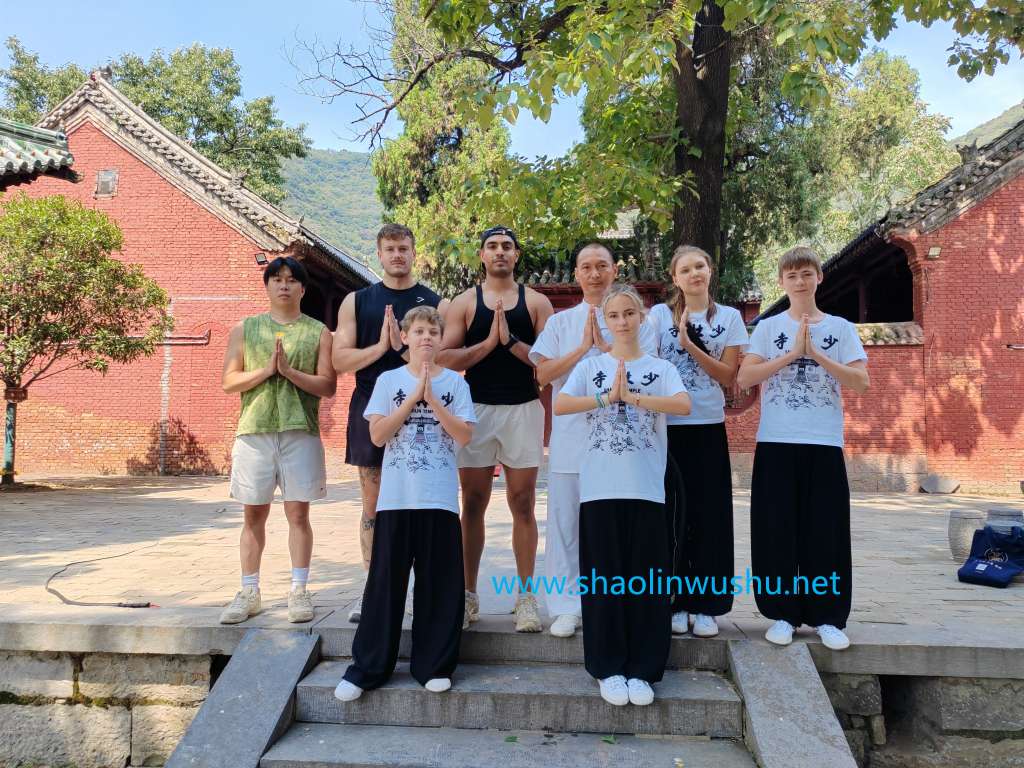
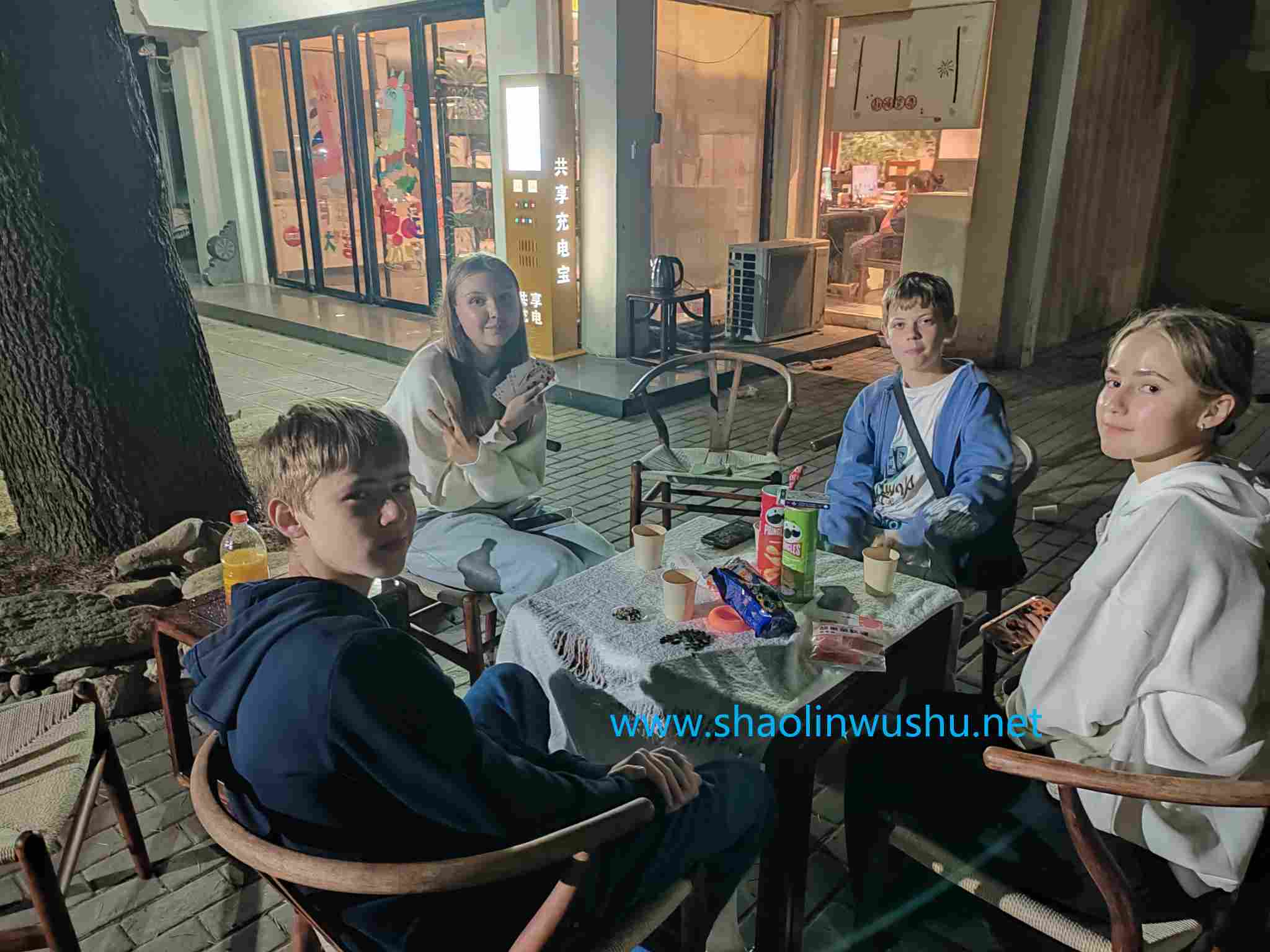
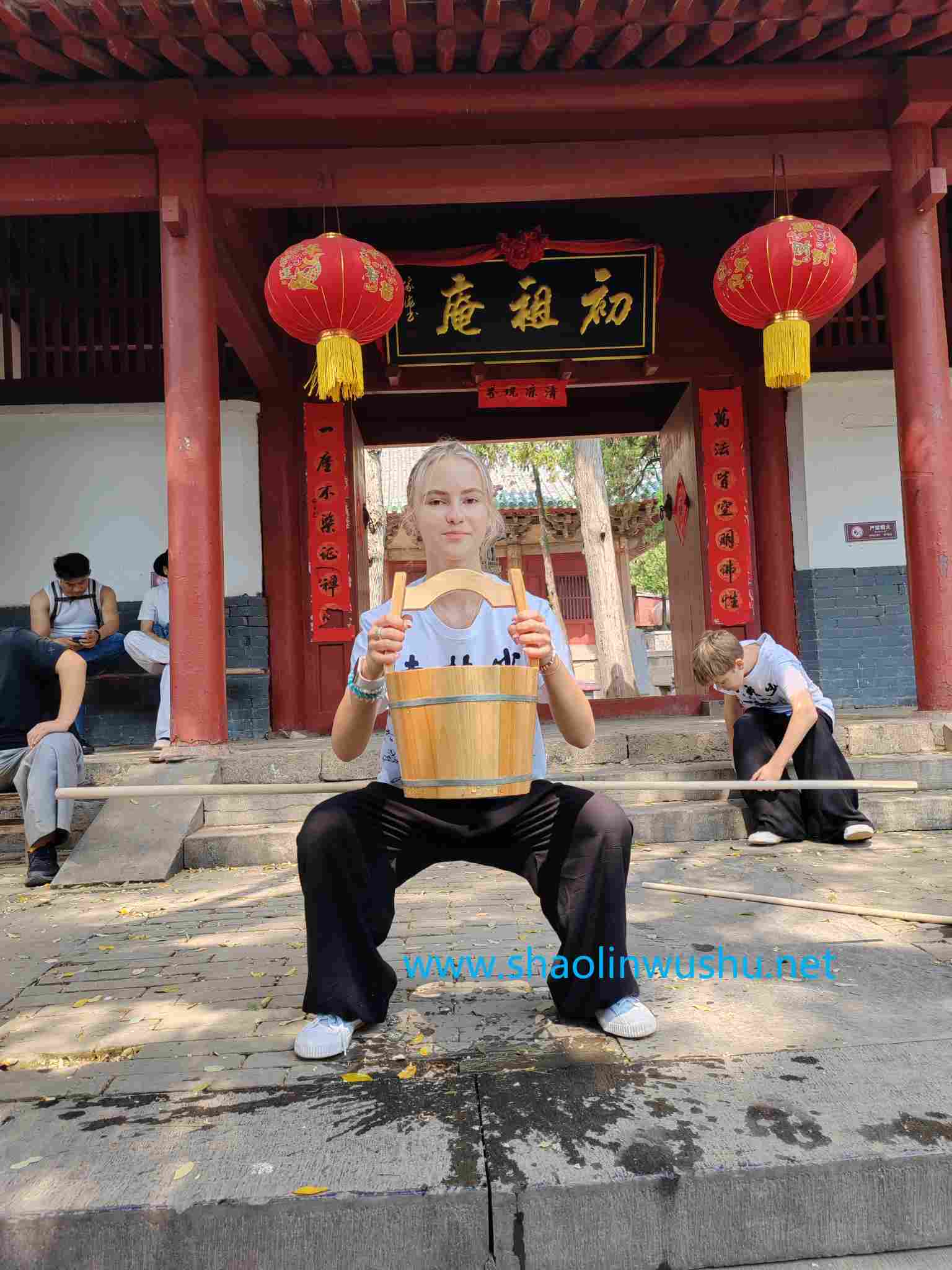
Shaolin Kungfu Summer Camp-Russian Group
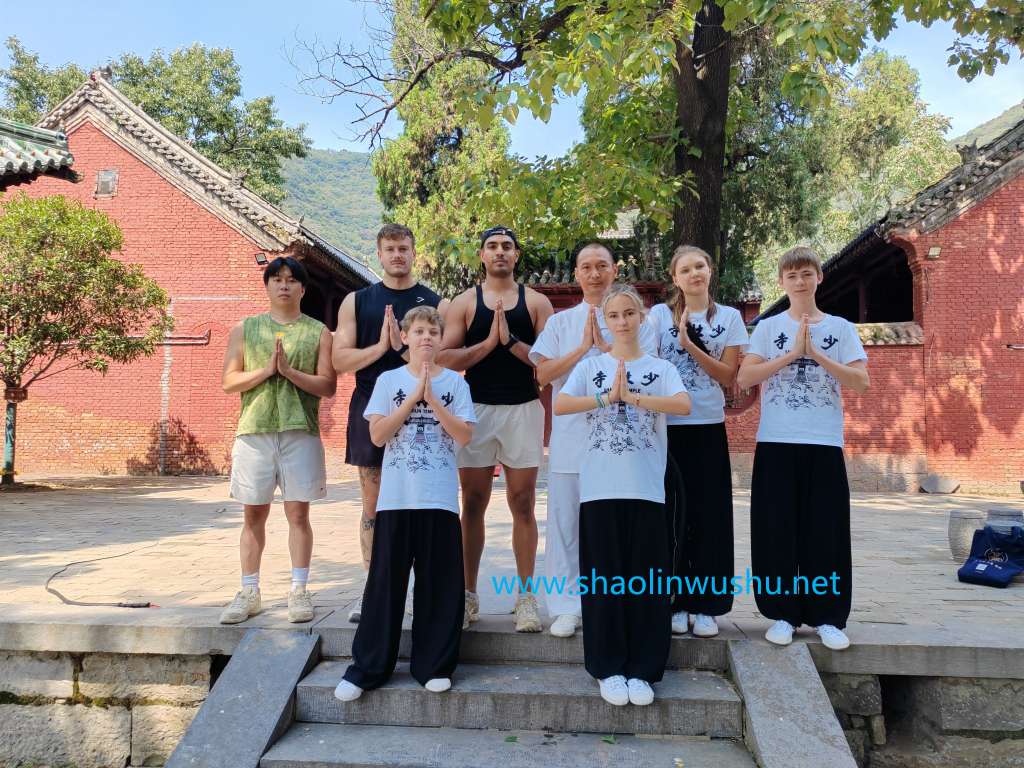
14‑Day Shaolin Kung Fu Cultural Summer Camp
Target Participants: teenagers aged around 14 (zero prior martial‑arts experience)
Core Mission: Cultivate character through martial arts with immersive cultural experiences. Integrate traditional Shaolin kung fu, practical grappling and Sanda, all‑range cultural tours of Songshan Mountain and traditional Chinese culture. Training intensity is moderate, balancing fun and professionalism, adapted to the physical fitness, cognition and daily‑living habits of foreign teenagers.
Revised Fixed Daily Schedule
06:20 Get up, wash and tidy up
06:40‑07:40 Morning training (1 hour, basic skills only)
07:50 Breakfast
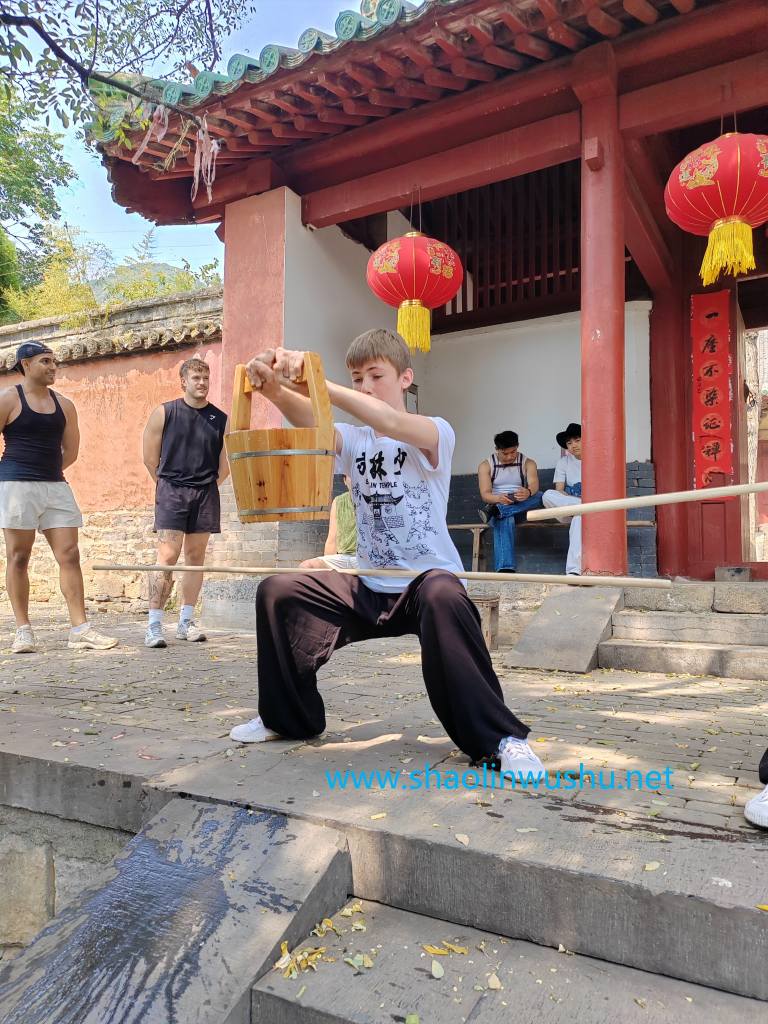
09:00‑11:30 Morning core session: Shaolin routine practice (refinement of various fist and weapon routines)
12:00 Lunch, mid‑day rest
15:00‑18:00 Split afternoon sessions
15:00‑16:30: Grappling, combat, Sanda and special physical‑fitness training
16:30‑18:00: Traditional‑culture classes (calligraphy, tea art, incense ceremony, etiquette)
Important Adjustment Note: No scheduled evening activities. Free time for rest, relaxation and dormitory tidying to guarantee sufficient sleep. All classes are delivered in simple, easy‑to‑understand Chinese. Movements are broken down step‑by‑step for progressive learning. No excessive high‑intensity drills; courses are tailored for foreign participants.
Highlights: Cultural tours and kung‑fu practice across key Songshan Mountain sites (Shaolin Temple, Fawang Temple, Zhongyue Temple); two‑day long mountain treks at Sanhuangzhai and the main peak of Songshan Mountain; hands‑on traditional Chinese‑culture courses including calligraphy, tea art, incense ceremony and traditional etiquette.
Week 1: Foundation Building · Culture & Scenic Tours (Skill grounding, site visits, cultural initiation)
Day 1 Camp Opening & Adaptation · Introduction to Basic Skills
Morning Training (1 h): Warm‑up & stretching, basic stances, breath regulation, physical flexibility activation
Morning Session: Opening ceremony, camp rules explained in Chinese, team‑building ice‑breaker, martial‑arts etiquette, special correction of basic hand and stances for Five‑Step Fist.
Afternoon Session: First half: Basic fitness, core‑strength and balance training. Second half: Traditional Chinese etiquette class.
Evening: Watch the live Shaolin kungfu show Kung Fu World Show.
Day 2 Build Kung‑Fu Fundamentals · Start Five‑Step Fist
Morning Training (1 h): Repetitive practice of five core stances, fist‑palm‑hook hand‑shaping, basic leg kicks.
Morning Session: Step‑by‑step breakdown of the first half of Five‑Step Fist, form refinement, introduction to power generation.
Afternoon Session: First half: Sanda guard stance, basic straight punch, self‑defense awareness training. Second half: Introduction to hard‑pen calligraphy.
Day 3 Advance Five‑Step Fist · Prepare for Full‑Routine Link‑Up
Morning Training (1 h): Review learned segments of Five‑Step Fist, stabilize stances, slow‑motion coherent practice.
Morning Session: Teach the second half of Five‑Step Fist; practise full‑routine transitions and rhythm training.
Afternoon Session: First half: Introduction to basic grappling and close‑quarters escape techniques. Second half: Traditional tea‑art class.
Day 4 Shaolin Temple Excursion · Consolidate Five‑Step Fist
Morning Training (1 h): Slow full‑form rehearsal of Five‑Step Fist, identify and fix technical flaws.
Morning Session: Tour Shaolin Temple and the Pagoda Forest; practise the complete Five‑Step Fist outdoors for consolidation.
Afternoon Session: First half: Sanda footwork and basic combination drills. Second half: Incense‑ceremony class.
Day 5 Master Five‑Step Fist · Polish Technique
Morning Training (1 h): Speed‑up practice of Five‑Step Fist, strengthen power delivery, solo form drills.
Morning Session: Refine the full Five‑Step Fist routine; standardize movements; improve fluidity (trainees are expected to fully master Five‑Step Fist by the end of this session).
Afternoon Session: First half: Paired advanced grappling practice and practical self‑defence skills. Second half: Advanced traditional‑etiquette class.
Day 6 Fawang Temple Excursion · Introduction to Interlinking Fist
Morning Training (1 h): Full‑routine review of Five‑Step Fist; reinforce fundamental skills.
Morning Session: Visit Fawang Temple; teach the first half of Shaolin Interlinking Fist, building on techniques from Five‑Step Fist.
Afternoon Session: First half: Sanda hook and swing punch combinations, endurance fitness training. Second half: Hands‑on calligraphy practice.
Day 7 Zhongyue Temple Excursion · Progress with Interlinking Fist
Morning Training (1 h): Review learned Interlinking Fist segments; practise body‑movement transitions.
Morning Session: Tour Zhongyue Temple; teach and practise segmented transitions for the second half of Interlinking Fist outdoors; watch a Shaolin martial‑arts performance.
Afternoon Session: First half: Combat combinations, evasive bodywork, overall fitness improvement. Second half: Review session integrating tea art and incense ceremony.
Week 2: Skill Advancement · Trek Challenges (Practical‑skill refinement, long‑distance treks, final‑result consolidation)
Day 8 Complete Interlinking Fist · Introduction to Staff Techniques
Morning Training (1 h): Full‑routine rehearsal of Interlinking Fist; refine forms and increase speed.
Morning Session: Polish the complete Interlinking Fist routine; optimize rhythm and power output (trainees are expected to fully master Interlinking Fist by the end of this session).
Afternoon Session: First half: Integrated grappling‑and‑Sanda combination drills. Second half: Intro to Shaolin staff: staff‑handling etiquette, stances, gripping methods, safety protocols, basic staff‑stroke practice plus review of etiquette and calligraphy.
Day 9 Long‑Distance Trek: Sanhuangzhai · Consolidate Basic Staff Skills
Morning Training (1 h): Review Interlinking Fist; build endurance through fundamental drills.
Morning Session: Long‑distance hiking trek at Sanhuangzhai; demonstrate Interlinking Fist in mountain clearings to build physical stamina.
Afternoon Session: Post‑trek recovery and stretching. Second half: Reinforce basic staff techniques including swing, chop and sweep strokes; reflective cultural review.
Day 10 Advance Staff Techniques · Learn Combinations
Morning Training (1 h): Refine basic staff forms; special training for wrist power.
Morning Session: Teach combined Shaolin‑staff sequences; break down movements for segmented and coherent practice.
Afternoon Session: First half: Sanda offensive‑defensive sparring, advanced grappling‑escape practical drills. Second half: Incense‑ceremony meditation and Zen‑martial‑arts cultural study.
Day 11 Long‑Distance Trek: Main Peak of Songshan Mountain · Practise Staff Outdoors
Morning Training (1 h): Review staff combination sequences; practise coordination with body movement.
Morning Session: Long‑distance trek to the main peak of Songshan Mountain; rehearse excerpts of the Shaolin‑staff routine on open mountain terrain for immersive outdoor kung‑fu training.
Afternoon Session: Downhill endurance and explosive‑power training. Second half: Advanced hands‑on tea‑art practice and study of Chinese etiquette.
Day 12 Complete Shaolin‑Staff Routine · Master All Three Core Disciplines
Morning Training (1 h): Link full staff‑routine sequences; polish fluidity.
Morning Session: Complete teaching of the full Shaolin‑staff routine; drill continuous performance and standardized forms. (All three disciplines: Five‑Step Fist, Interlinking Fist and Shaolin Staff are fully covered).
Afternoon Session: First half: Review and reinforce all grappling, Sanda and combat modules. Second half: Calligraphy session for writing reflections on martial‑arts learning.
Day 13 Full Review of Three Disciplines · Dress Rehearsal for Closing Show
Morning Training (1 h): Rotate through full‑routine practice of Five‑Step Fist, Interlinking Fist and Shaolin Staff.
Morning Session: Refine all three martial‑arts routines; correct individual weaknesses; rehearse group performance.
Afternoon Session: First half: Integrated demonstration of practical grappling and Sanda; comprehensive fitness assessment. Second half: Compile cultural‑learning outcomes; full dress rehearsal for closing‑camp performance.
Day 14 Final Performance of Learned Skills · Camp Closing
Morning Training (1 h): Loose, relaxed rehearsal of fist and staff routines; performance‑state adjustment.
Morning Session: Closing martial‑arts showcase (demonstration of Five‑Step Fist, Interlinking Fist, Shaolin Staff plus integrated grappling‑Sanda display); full video and photo documentation.
Afternoon Session: Closing ceremony, sharing session in Chinese, awarding of dual certificates, group photos, luggage packing and formal camp closure.
Customized Advantages for 14‑Year‑Old Russian Teenagers
- Science‑oriented daily schedule: No evening scheduled activities to guarantee sufficient sleep, match adolescent physical development and avoid over‑training.
- Well‑structured curriculum: Mornings focus on routine shaping; afternoons combine practical combat fitness and cultural learning. Progressive teaching suitable for absolute beginners.
- In‑depth integration of culture and travel: Cover key heritage sites including Shaolin Temple, Fawang Temple and Zhongyue Temple, plus two long mountain treks at Sanhuangzhai and Songshan main peak for immersive “learn‑and‑train‑on‑the‑go” experiences.
- Diverse cultural experiences: Prioritize hands‑on practice for calligraphy, tea art, incense ceremony and traditional etiquette instead of rigid theoretical lectures, lowering comprehension barriers for foreign youth to appreciate refined Chinese culture.
- Balanced safety and fun: Grappling and combat modules are gentle and beginner‑focused without heavy‑contact sparring. Long treks follow a gradual work‑rest rhythm aligned with Russian teenagers’ exercise habits.
- Chinese‑language‑adapted instruction: Classes conducted in standard Chinese, supported by physical demonstration, movement modelling and visual aids. Simple vocabulary tailored for Russian teenagers with zero Chinese‑learning background.